

Tag Archive for: Pentax K3 III
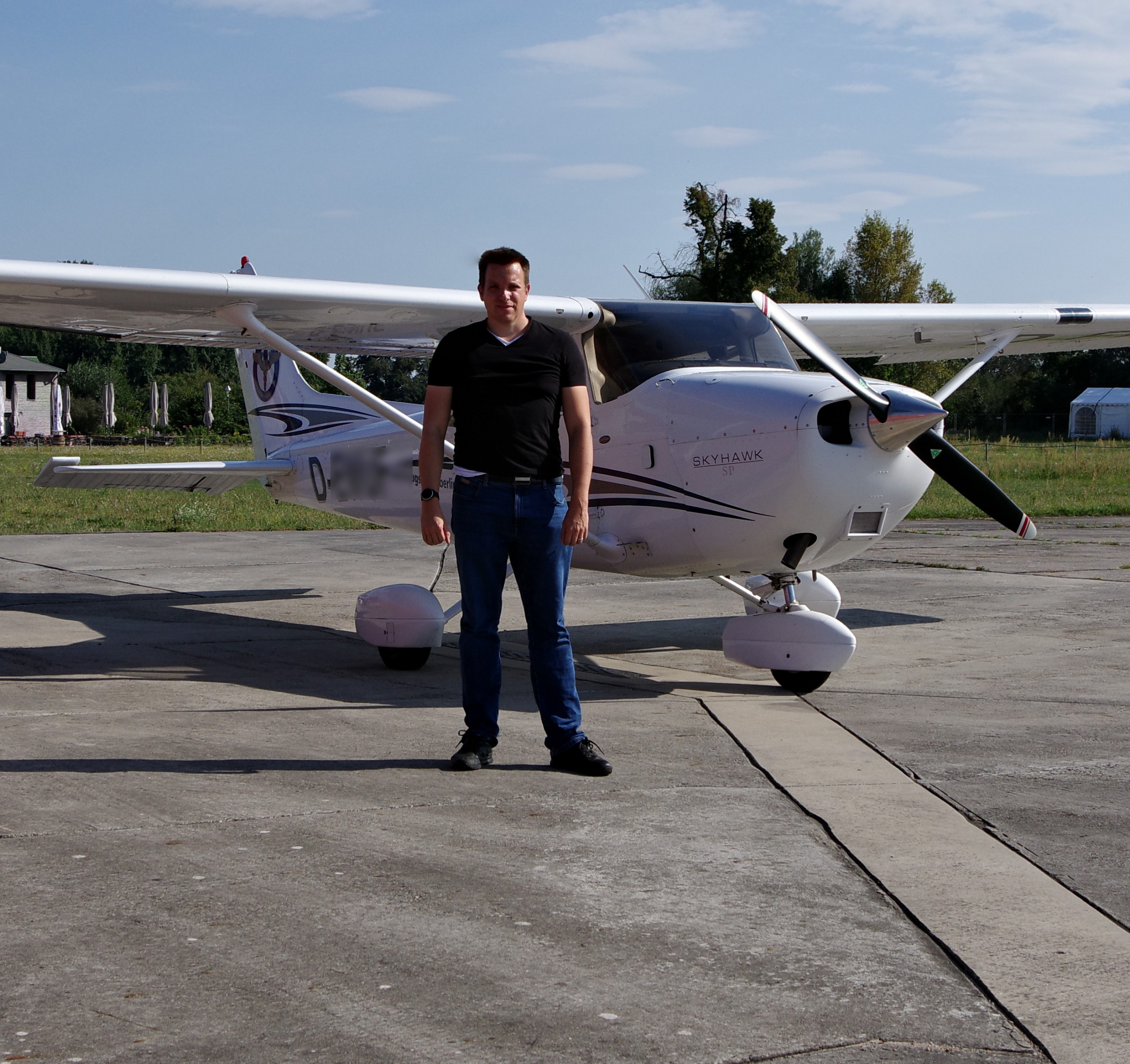
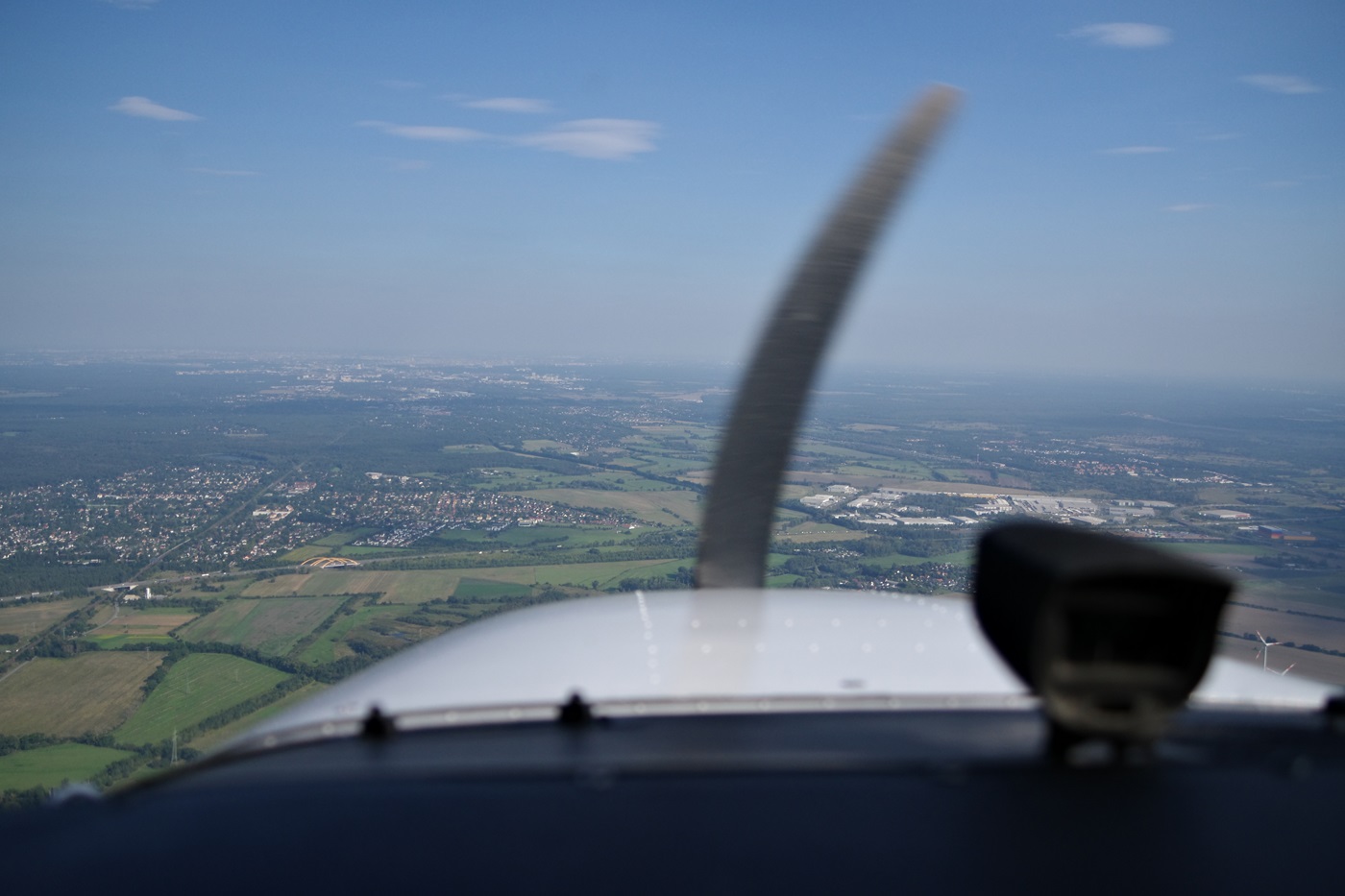
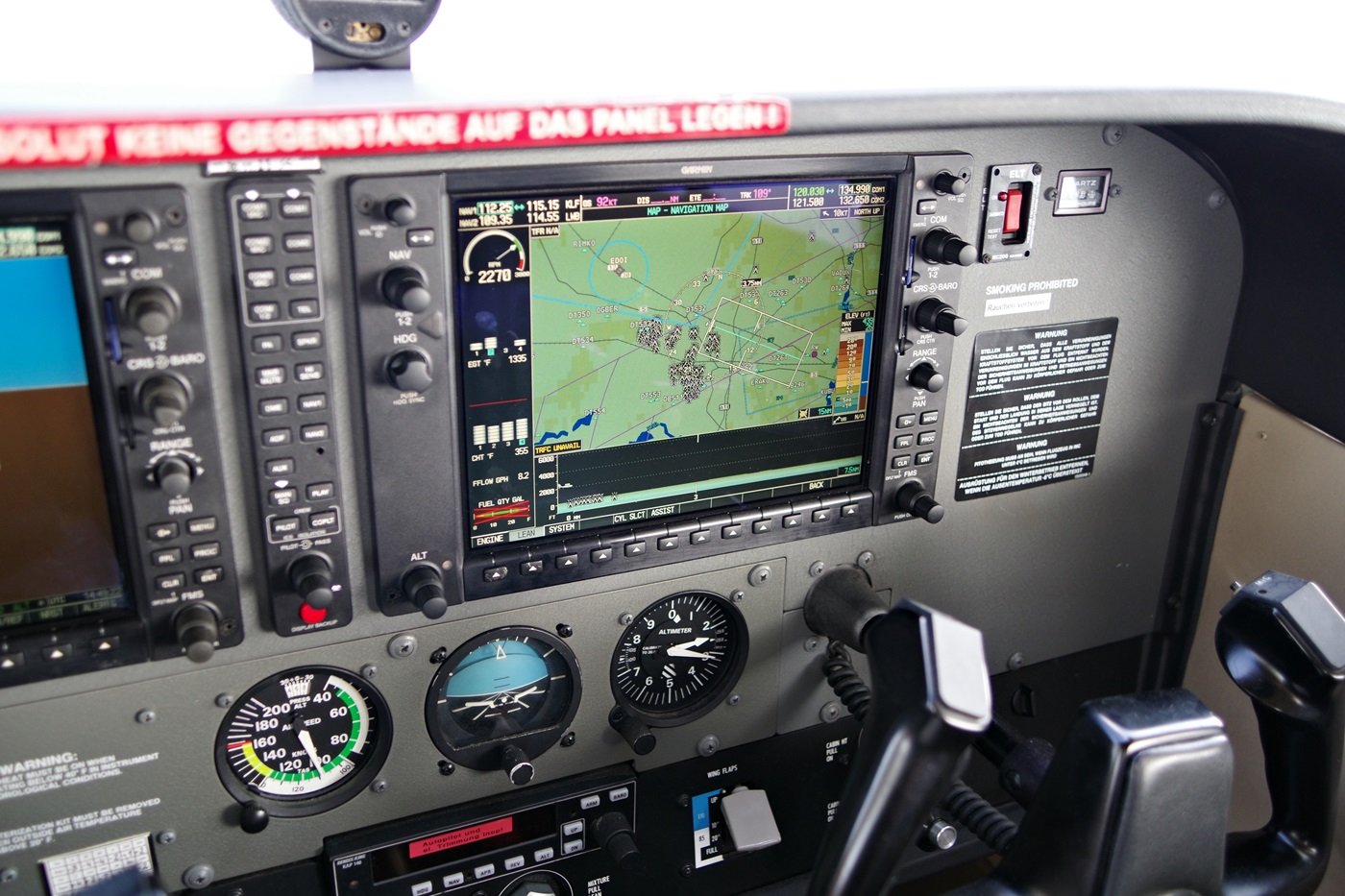
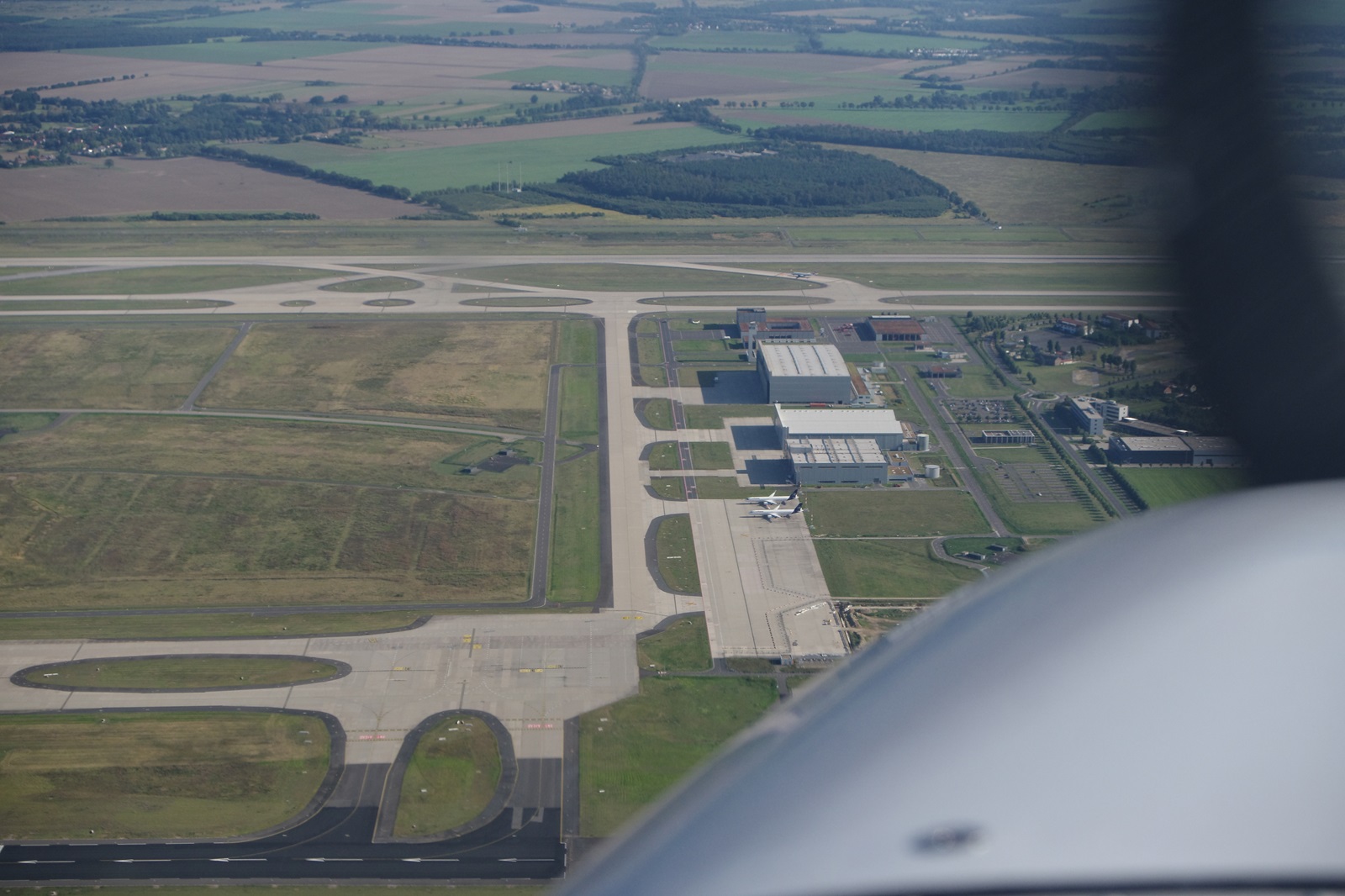
Yes, Potsdam is a nice travel spot for people in Berlin. It is very close to Berlin but a totally different city of another Bundesland, Brandenburg. Especially in summer it is a nice spot for young people to meet and enjoy life. For Eastern Germany is has a very beautiful architecture and a lot green areas as well as the German “Hollywood”, Babelsberg.
Potsdam Skyline
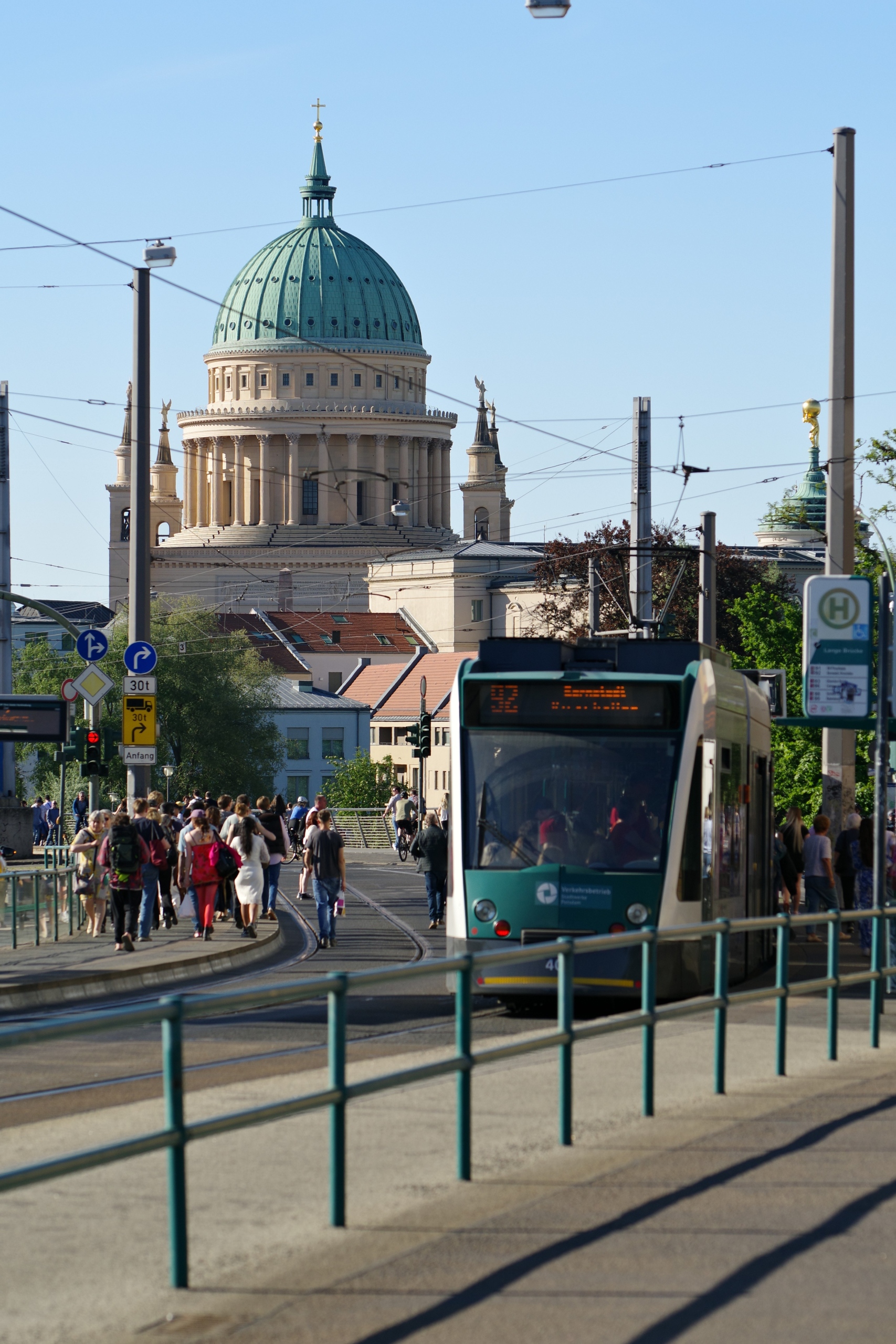
Potsdam City
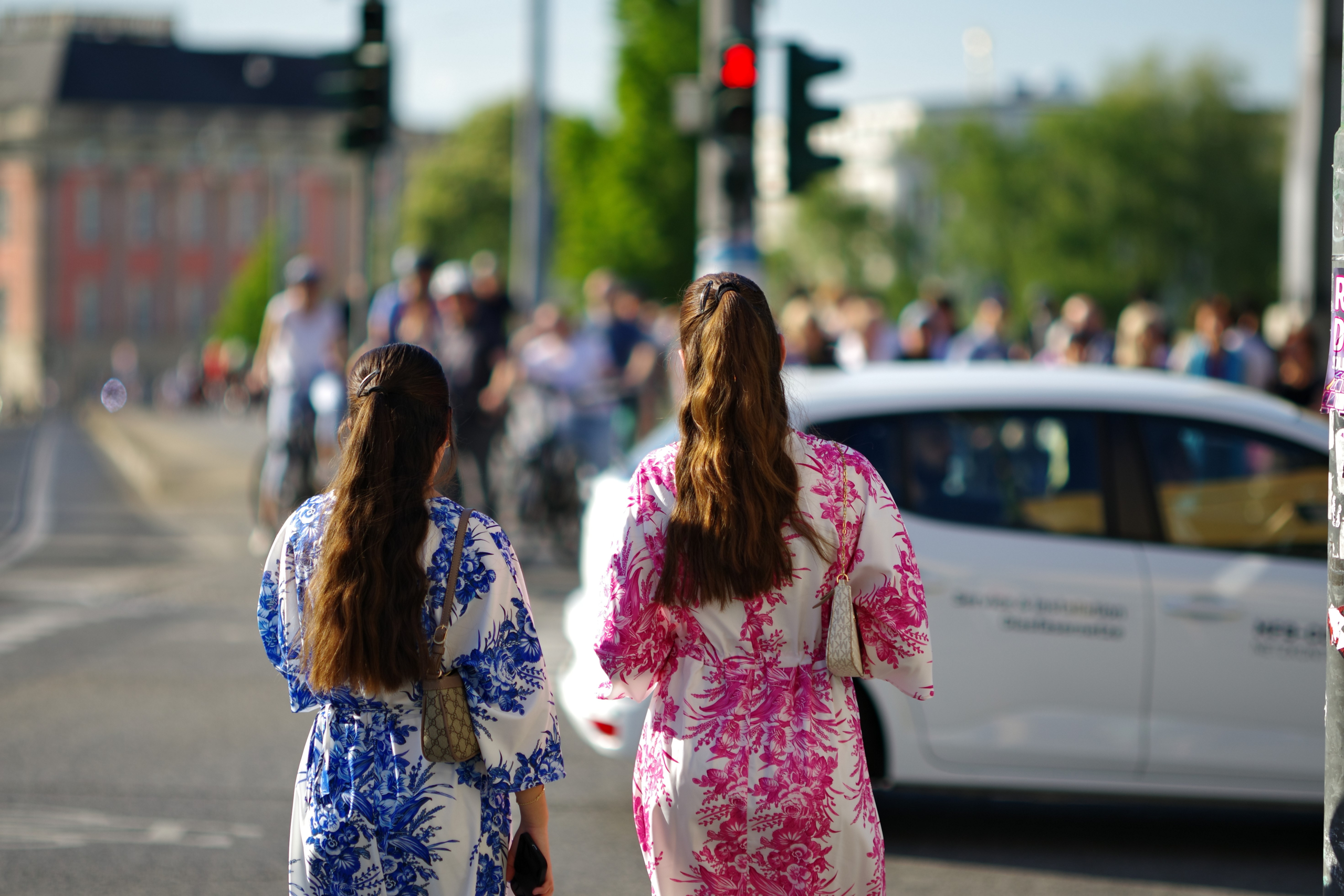
Potsdam City Summer Day
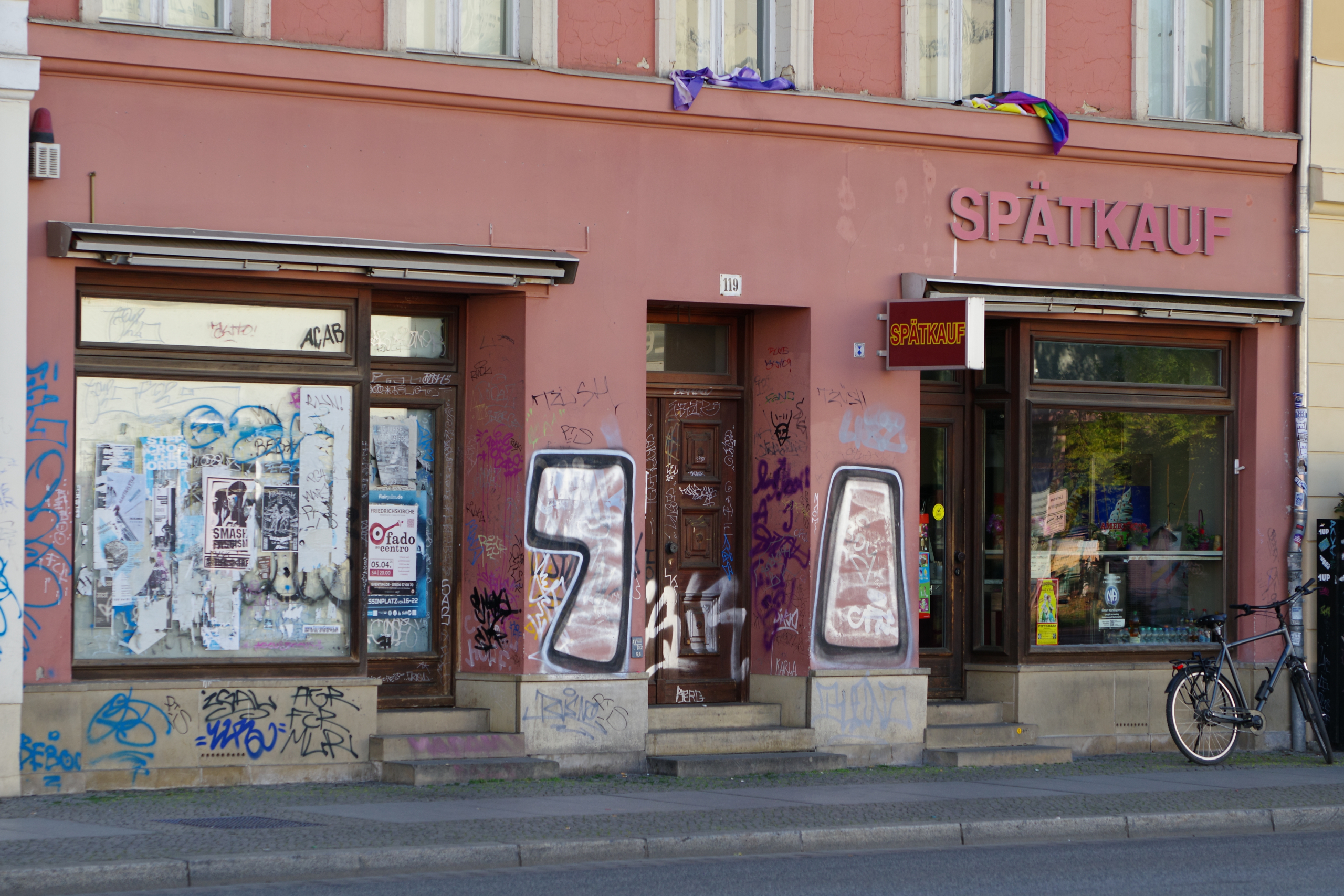
Potsdam City Graffity
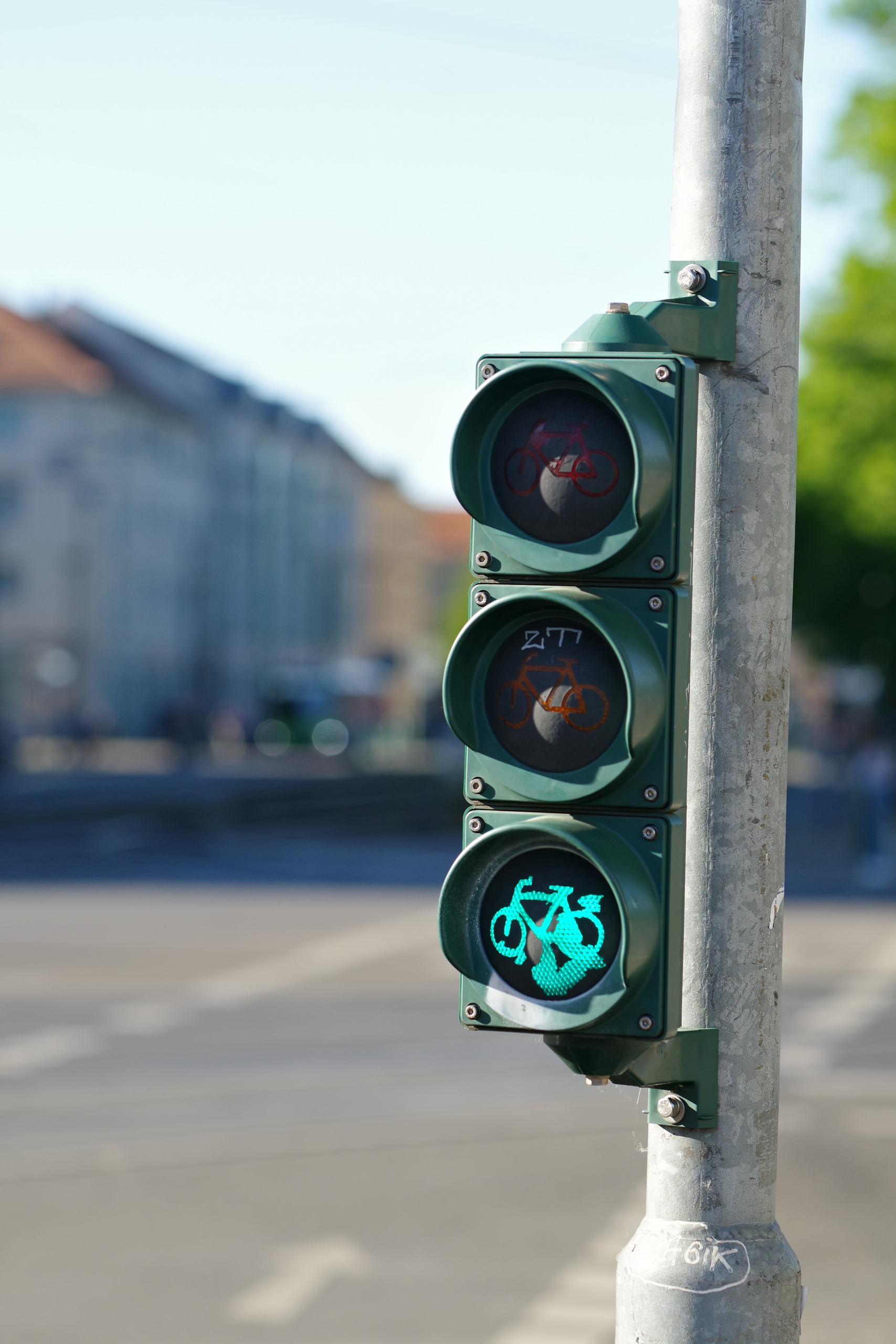
Potsdam City Graffity
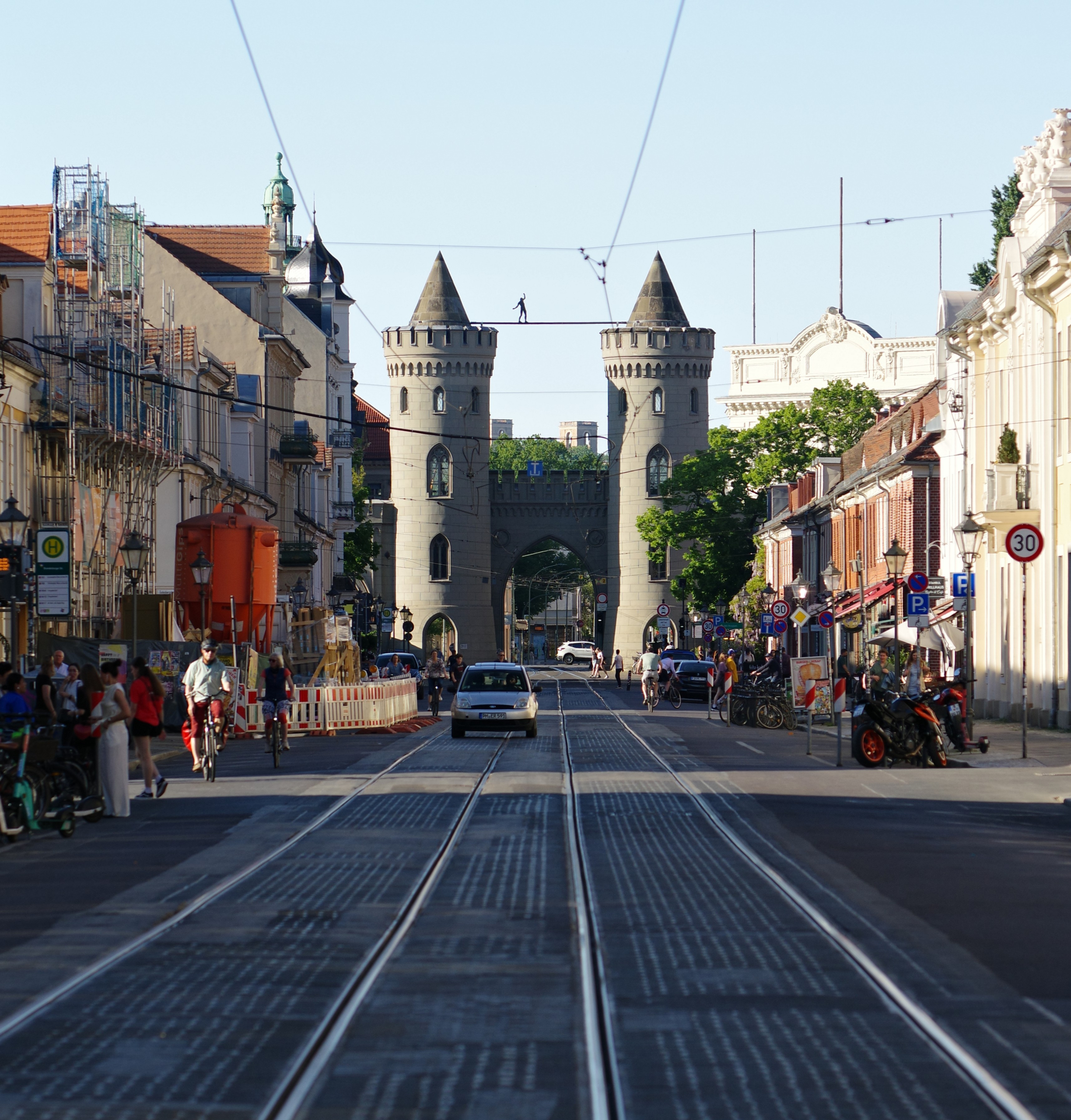
Potsdam City Life
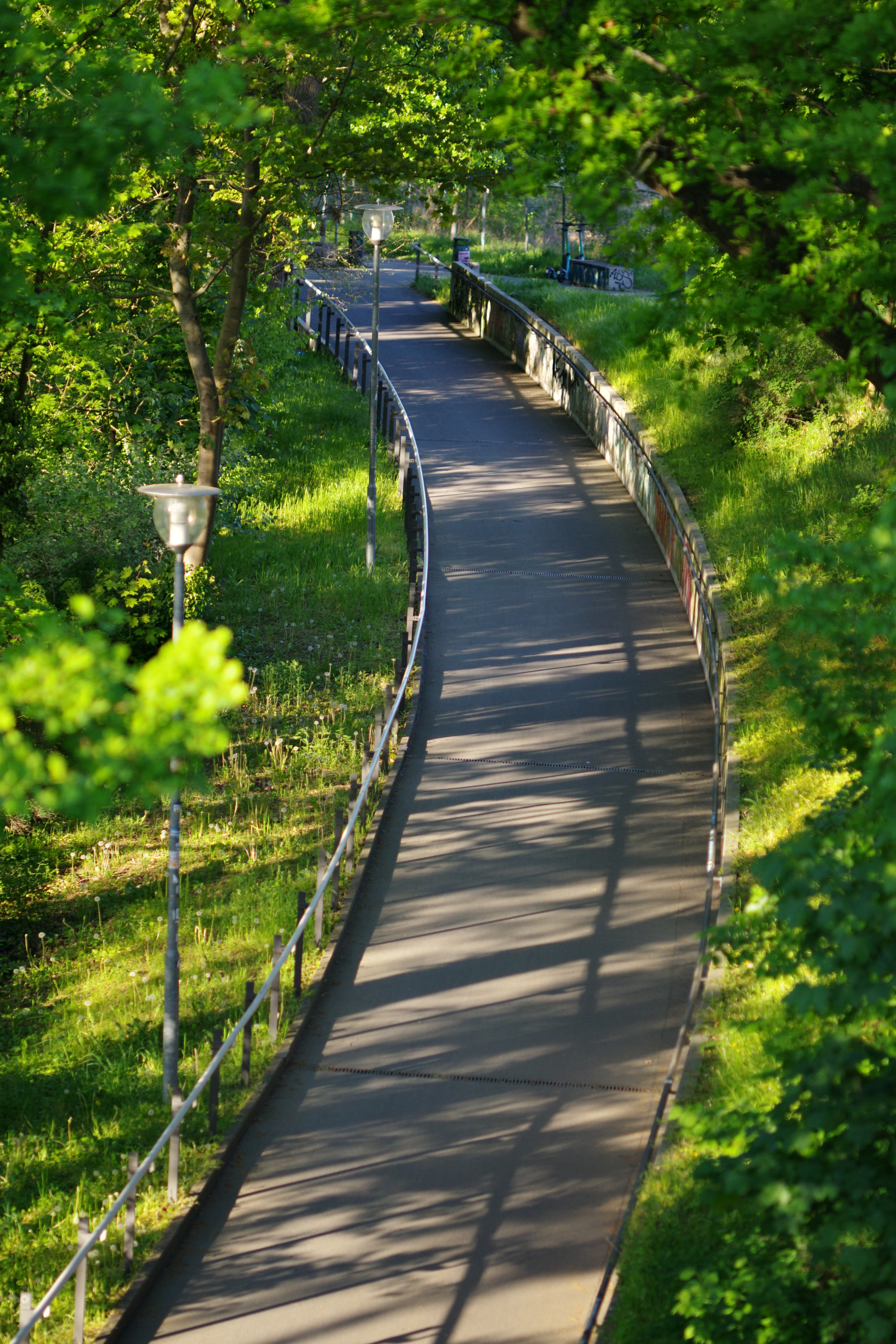
Potsdam Green Urban
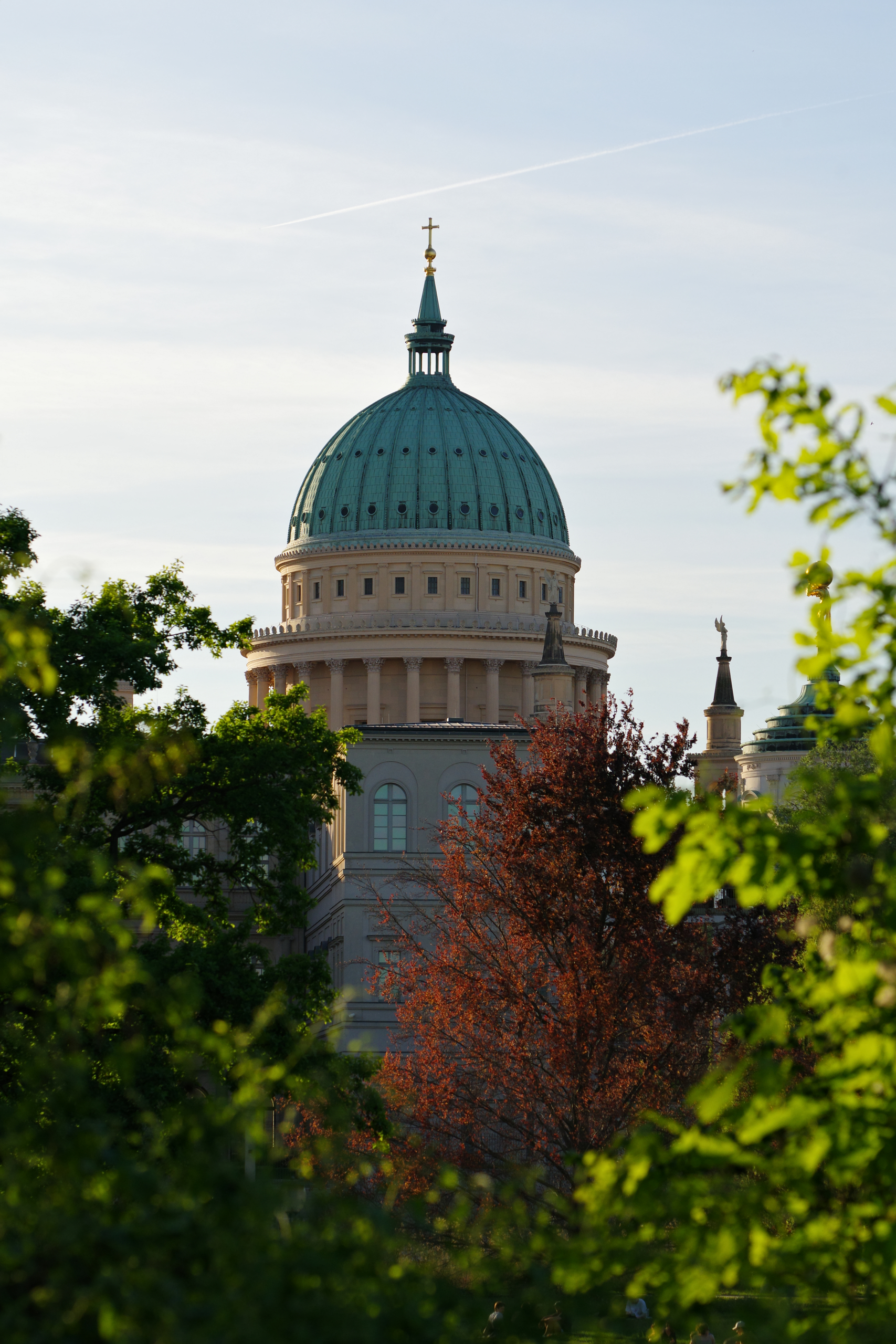
Potsdam
Photos taken with the Pentax K3 III and the Pentax DFA 85 mm F1.4.
The view of Pudong from the Puxi side of the Huangpu River is one of the most unforgettable cityscapes in the world. Standing on the Bund, you can watch the skyline rise across the water like a vision of the future. As daylight fades, the towers begin to glow, and the reflections in the river create a scene that feels alive and constantly changing.
At the heart of this skyline are three giants: the Shanghai Tower, the Shanghai World Financial Center, and the Jin Mao Tower. The Shanghai Tower, twisting elegantly into the sky at more than 630 meters, is the tallest of them all. Its spiral shape gives it both strength and grace. Next to it stands the Shanghai World Financial Center with its sharp lines and the famous trapezoid cutout at the top, which makes it instantly recognizable. The Jin Mao Tower, built with inspiration from traditional Chinese pagodas, brings a touch of harmony and history to this modern cluster of steel and glass.
From Puxi, especially at night, the contrast between the old and new sides of Shanghai is breathtaking. On your side of the river, the Bund’s historic buildings shine in warm golden tones. Across the water, Pudong glitters in cool blues and silvers. Together they tell the story of a city that honors its past while racing toward the future.
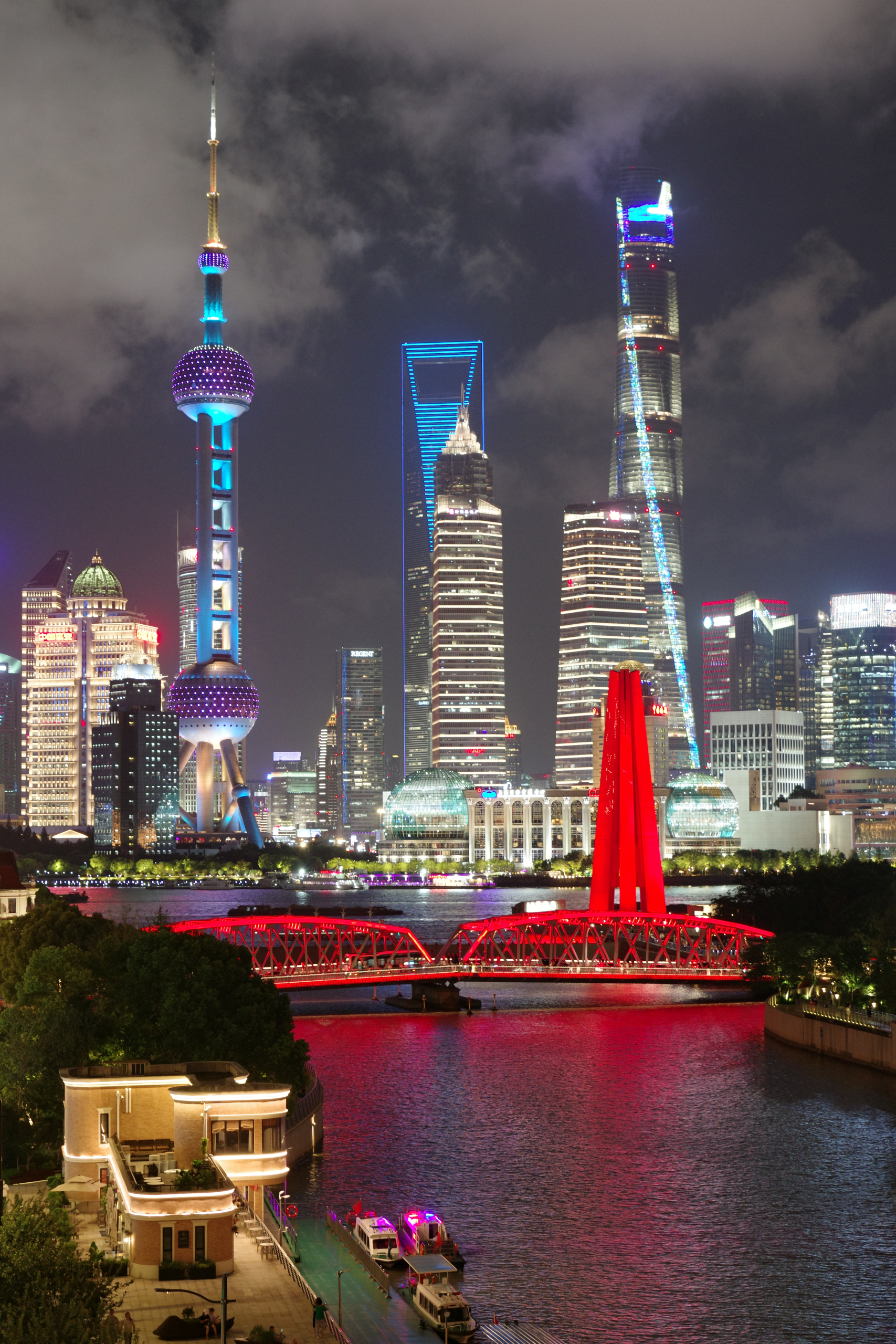
Shanghai Pudong, view from Puxi
For photographers, this view is pure magic. Every angle, every change in light, offers a new perspective. The skyline of Pudong seen from the Bund is not just a view of buildings, but a portrait of Shanghai’s energy, ambition, and soul.
Photo taken with the Pentax K3 III and the Pentax DFA 24 – 70 mm f2.8.
The famous Hutongs in Beijing are narrow, winding streets that offer a plethora of details for street and cityscape photography enthusiasts. These historical alleys encapsulate the essence of traditional Chinese architecture, with their unique blend of brick, wood, and stone structures. While the color palette may lean towards muted tones, the contrast and texture in these ancient lanes provide a compelling subject for black and white photography, accentuating the interplay of light and shadow.
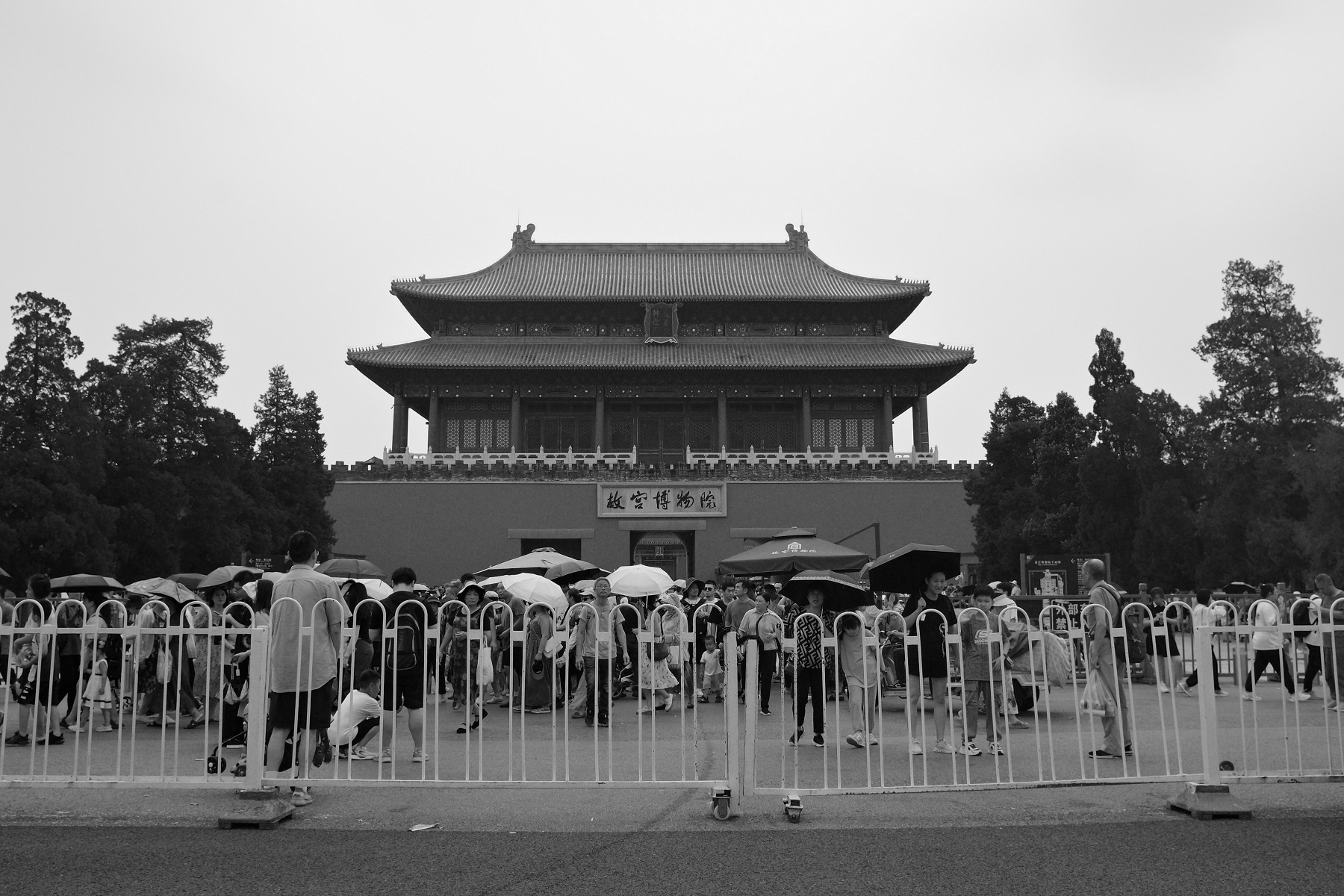
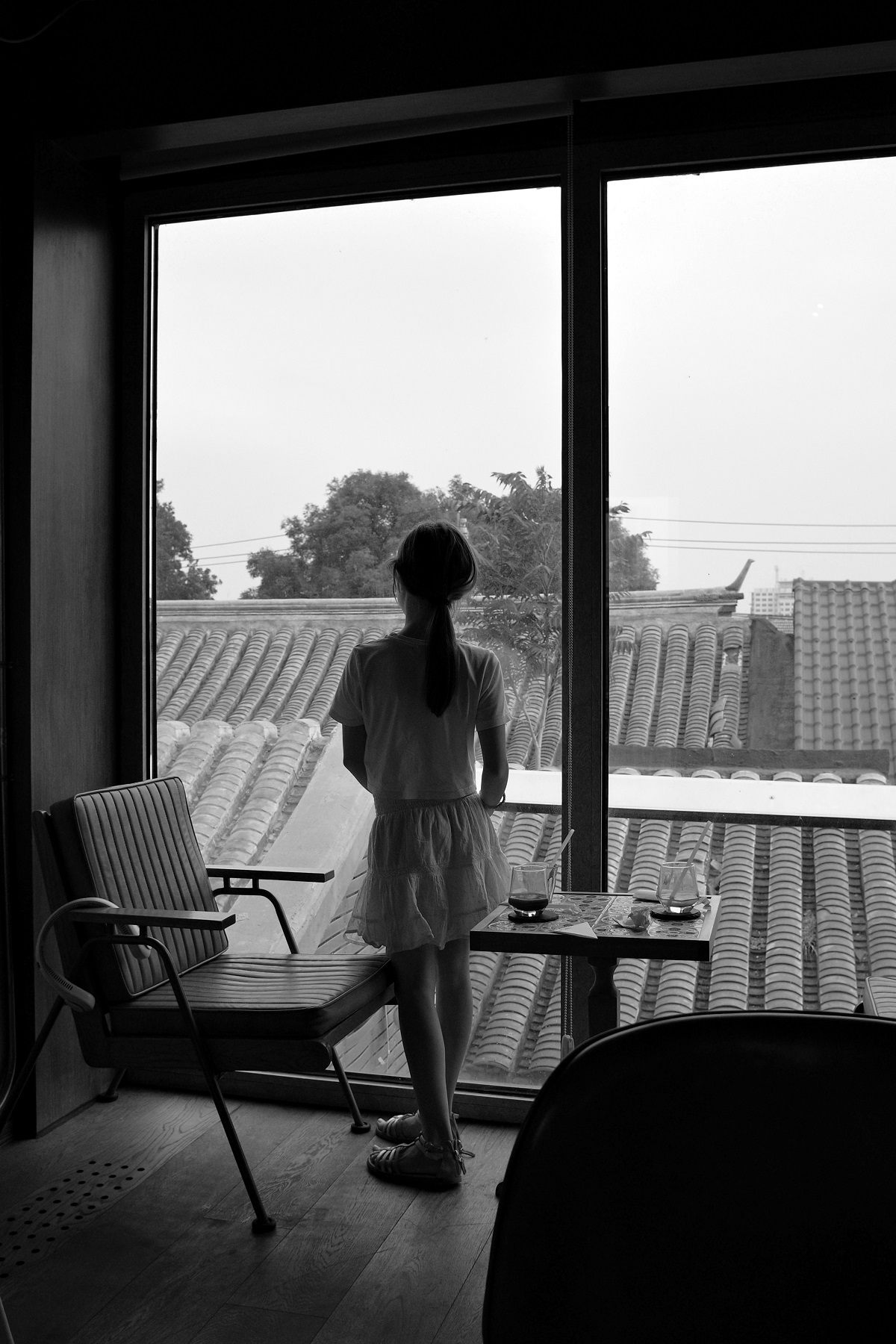
Amidst the gray facades of the Hutongs, one can discover charming niches adorned with potted plants, ornate doorways, and occasionally, glimpses of local wildlife. Modern cafes nestled within these historic settings offer a juxtaposition of old and new, where visitors can pause to savor a cup of tea or coffee while soaking in the timeless ambiance of these storied neighborhoods. Each corner of the Hutongs holds a story waiting to be captured through the lens, inviting photographers to delve into the rich tapestry of Beijing’s cultural heritage.
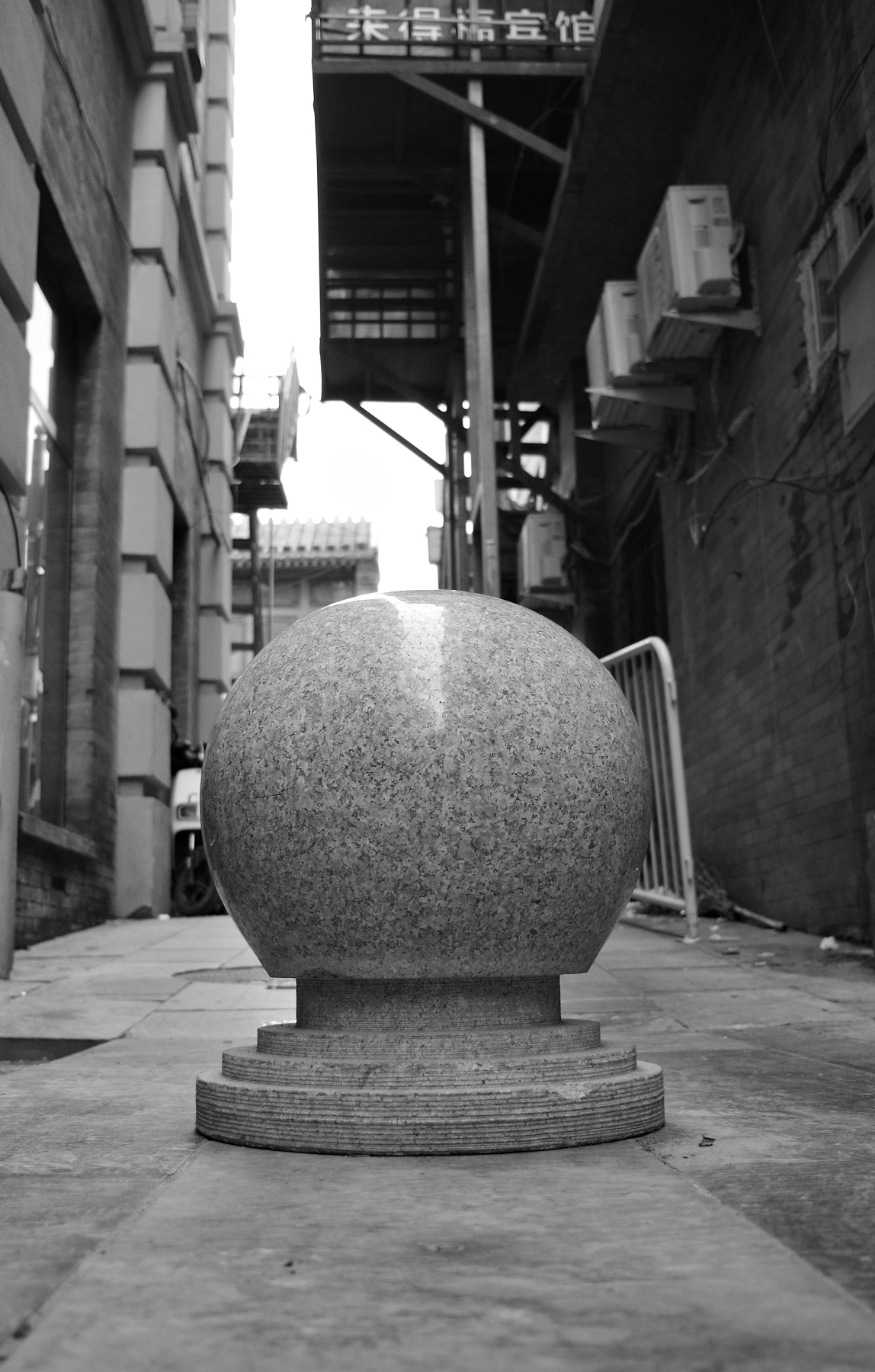
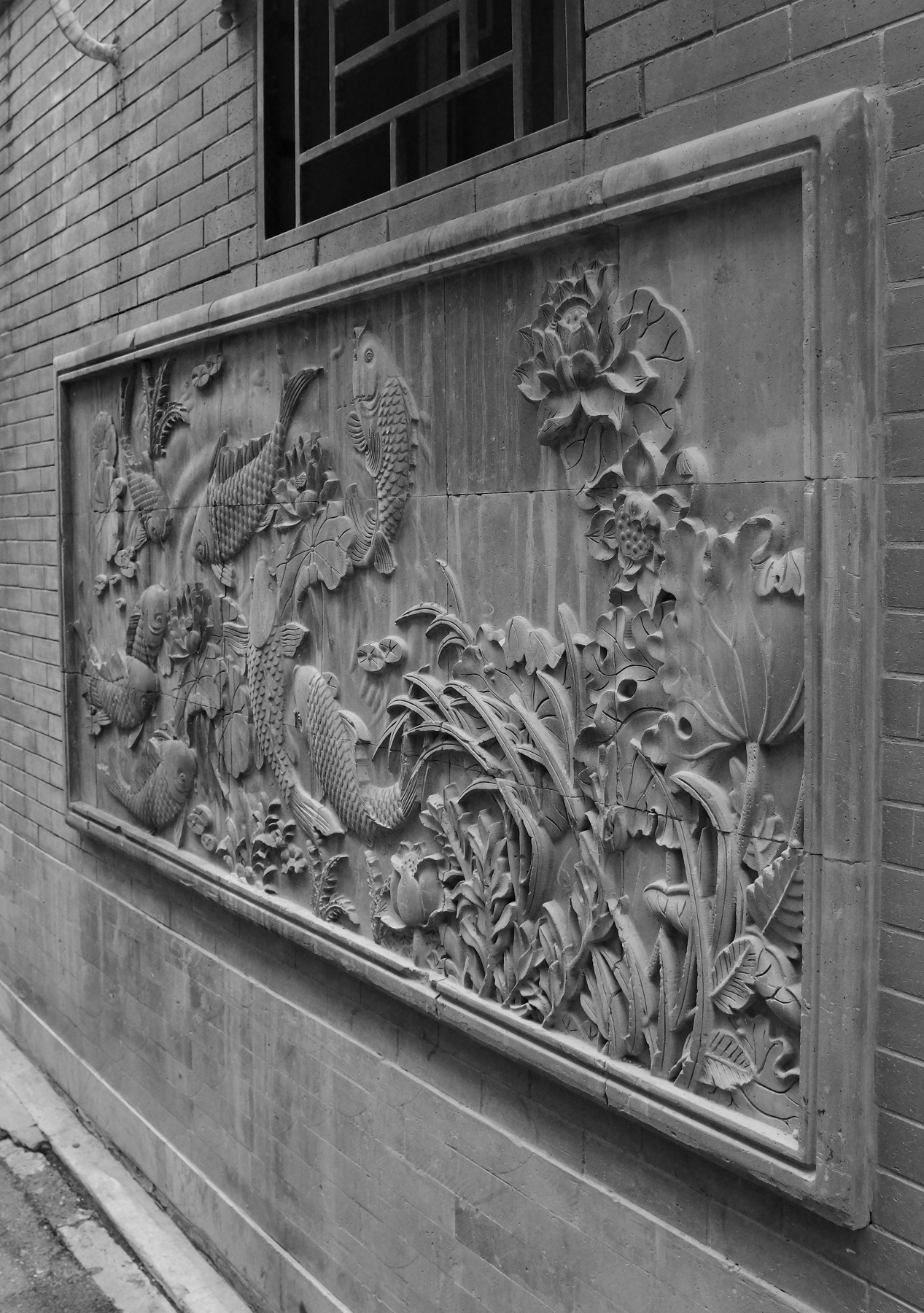
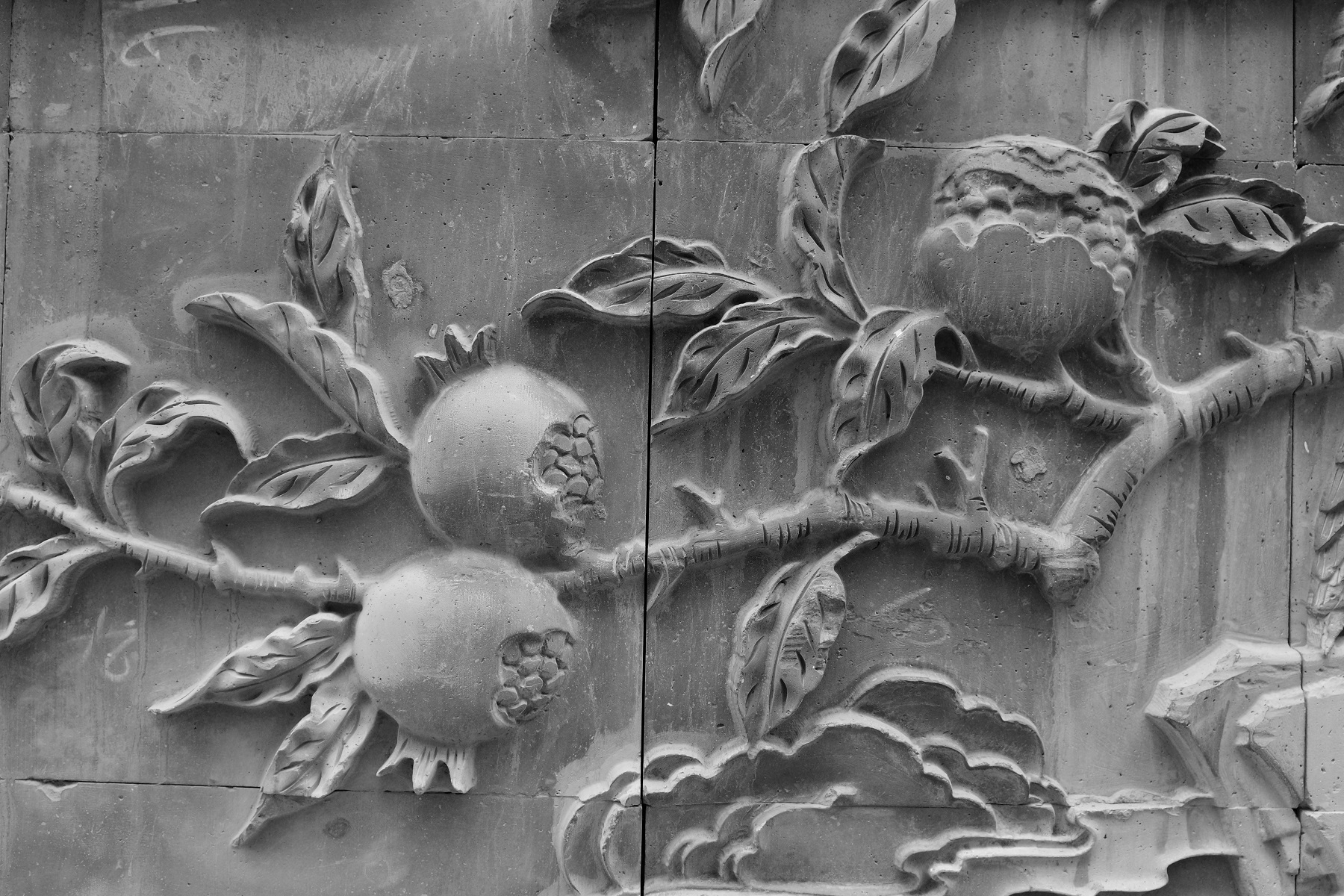
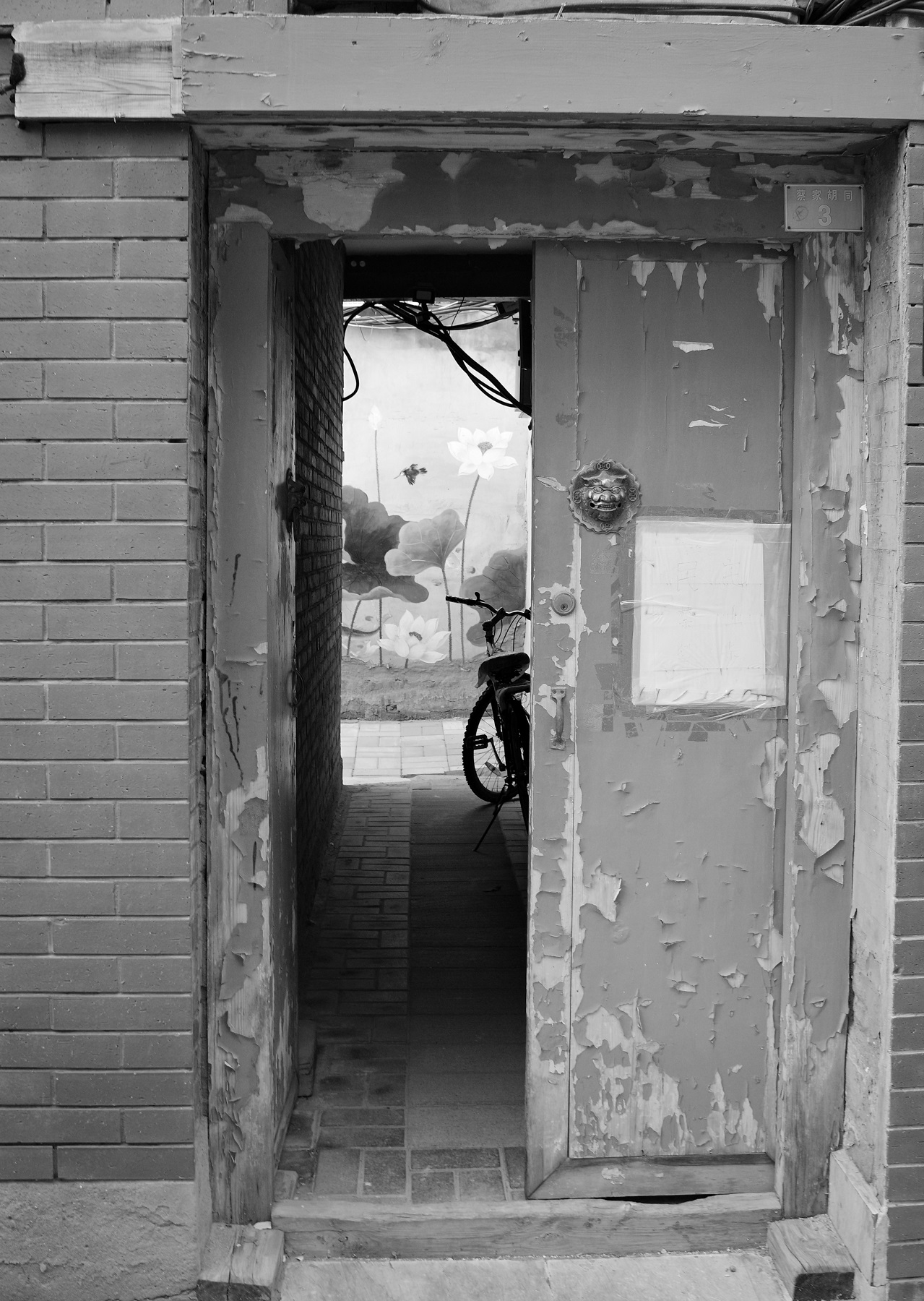
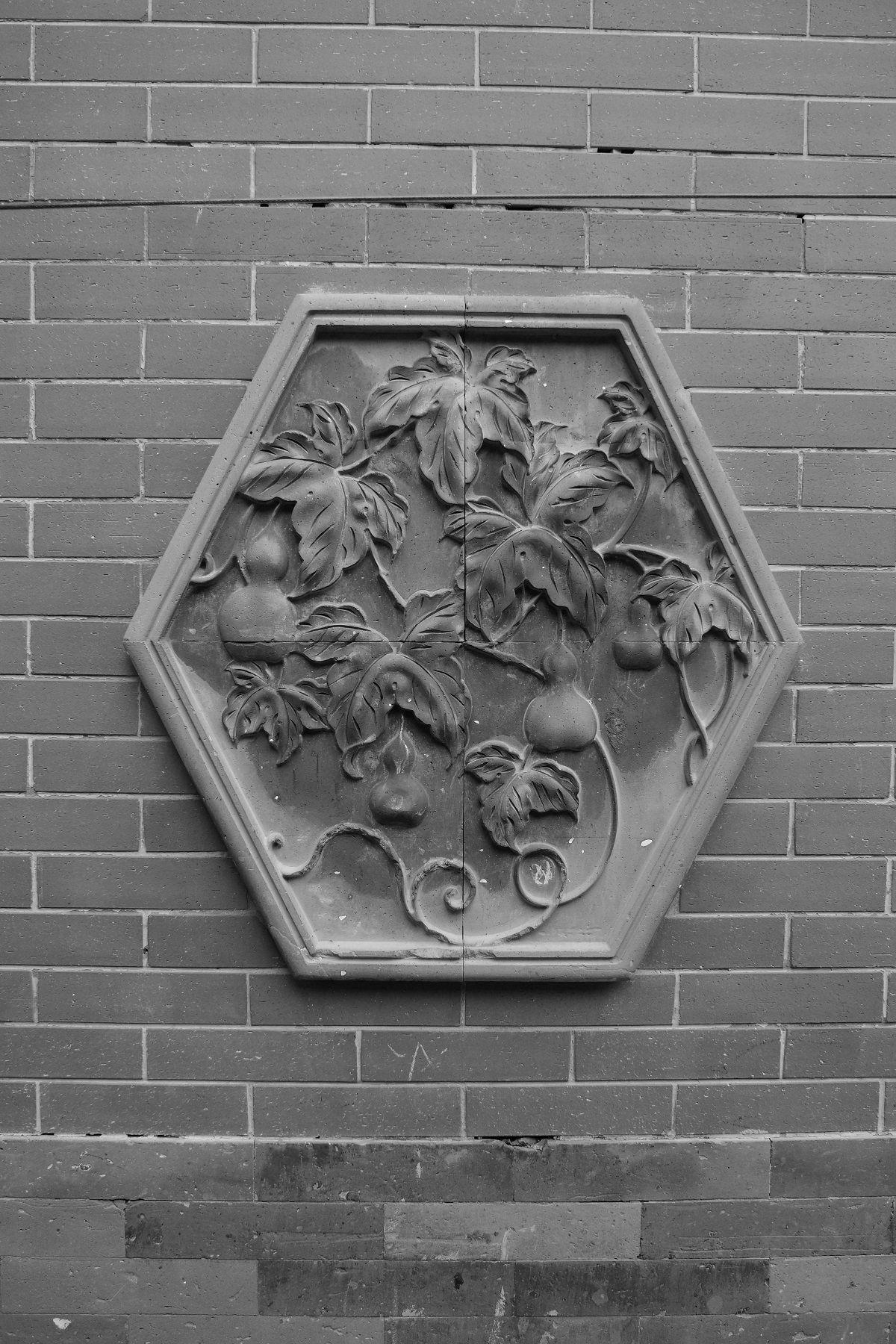
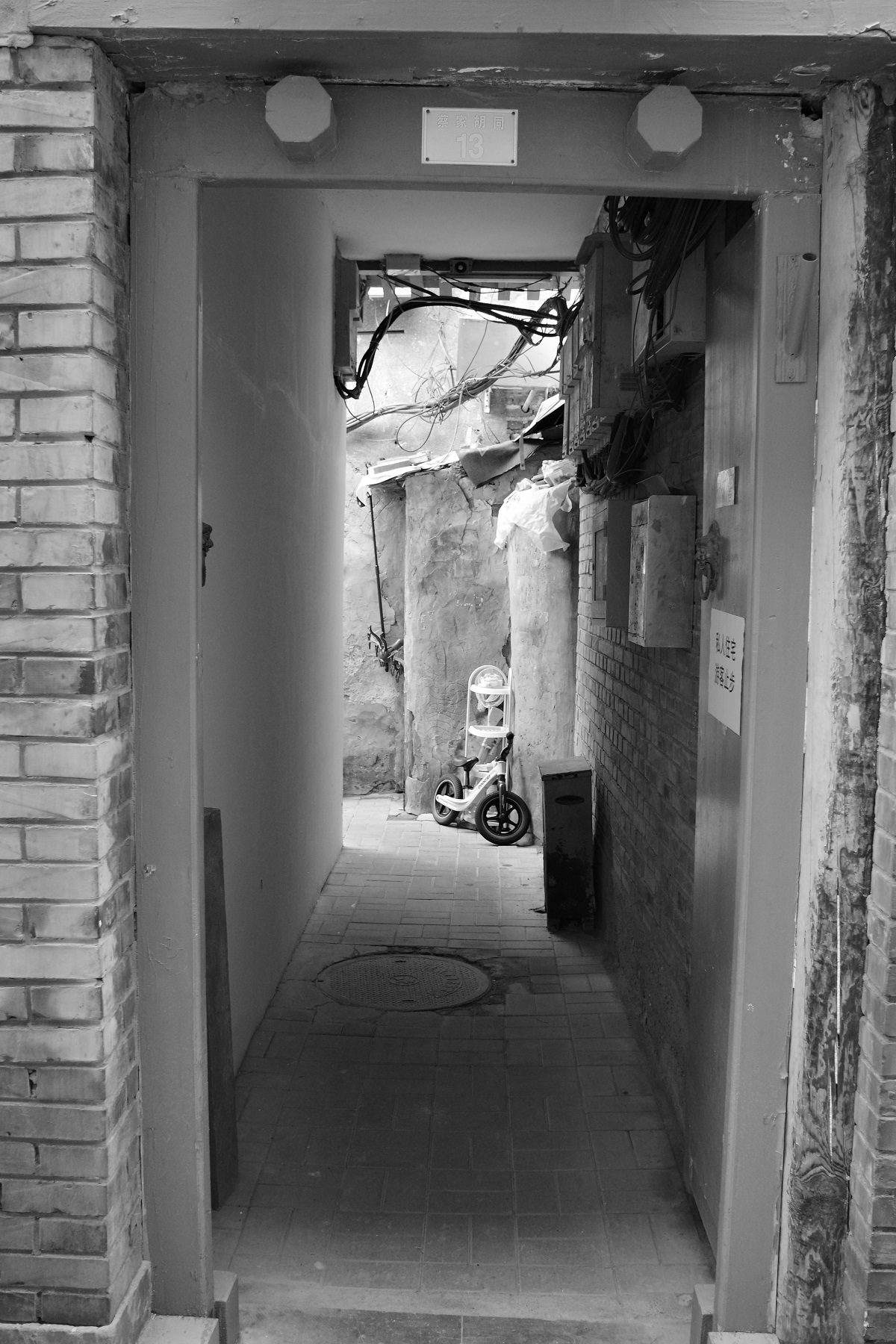
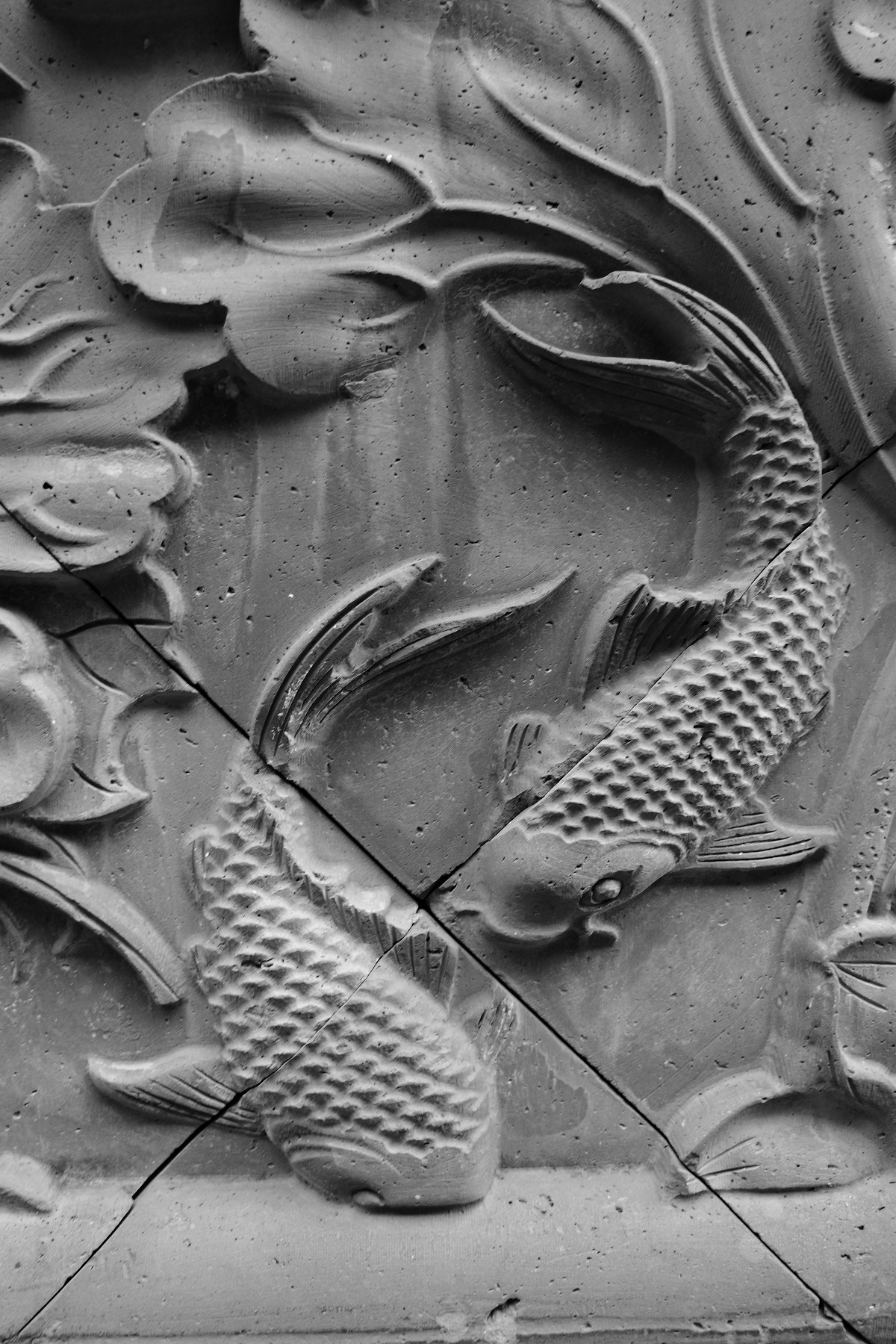
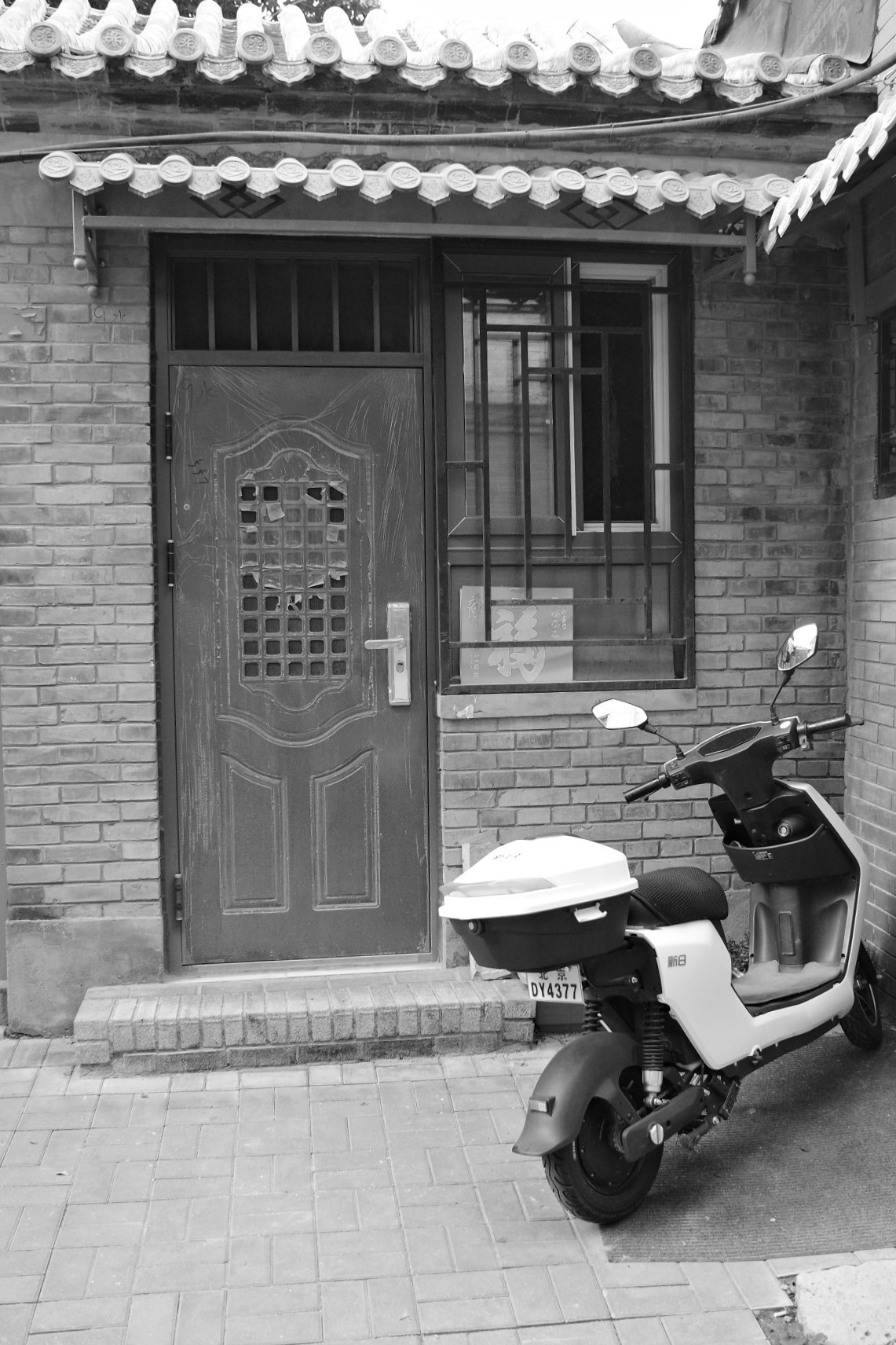
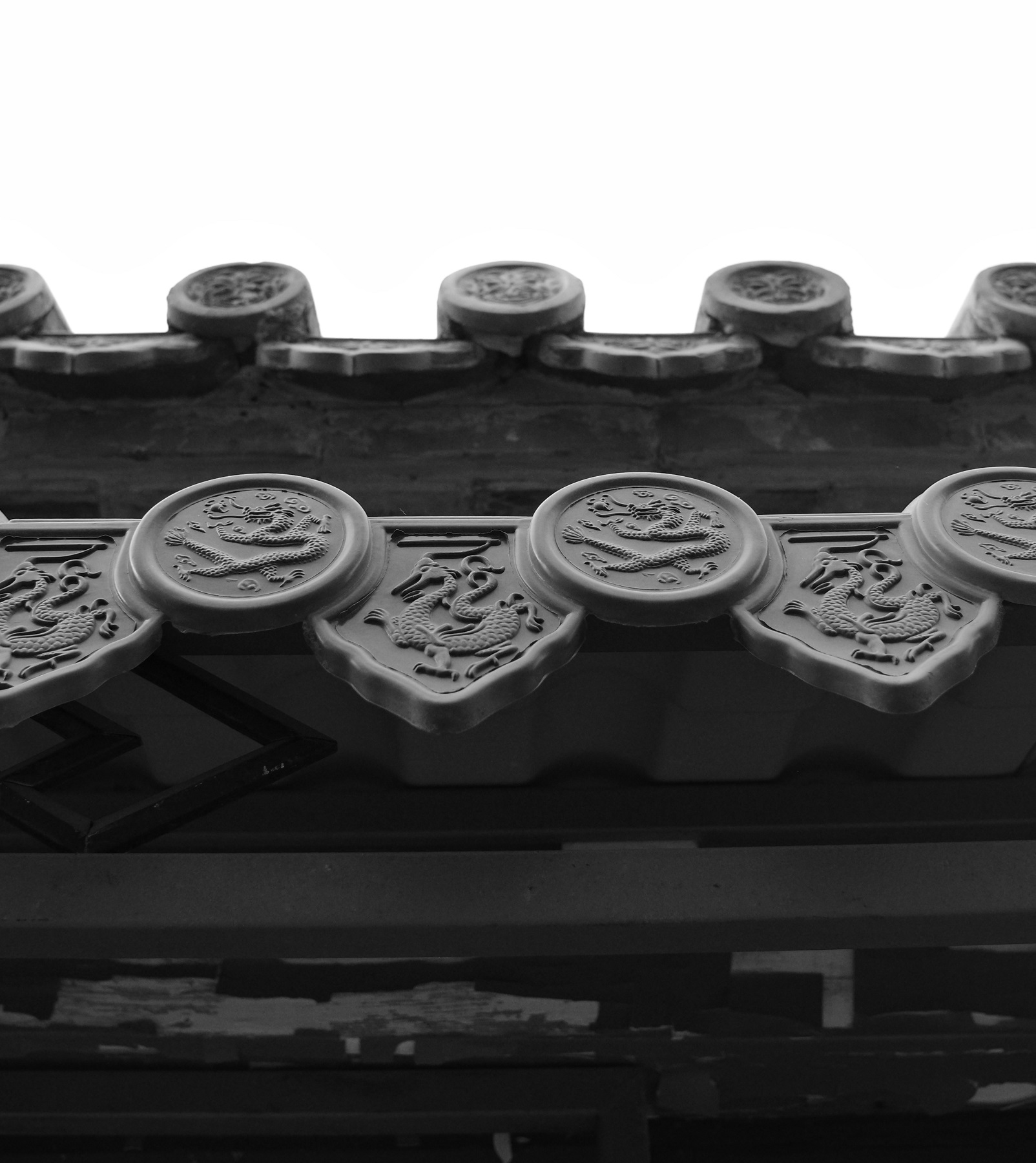
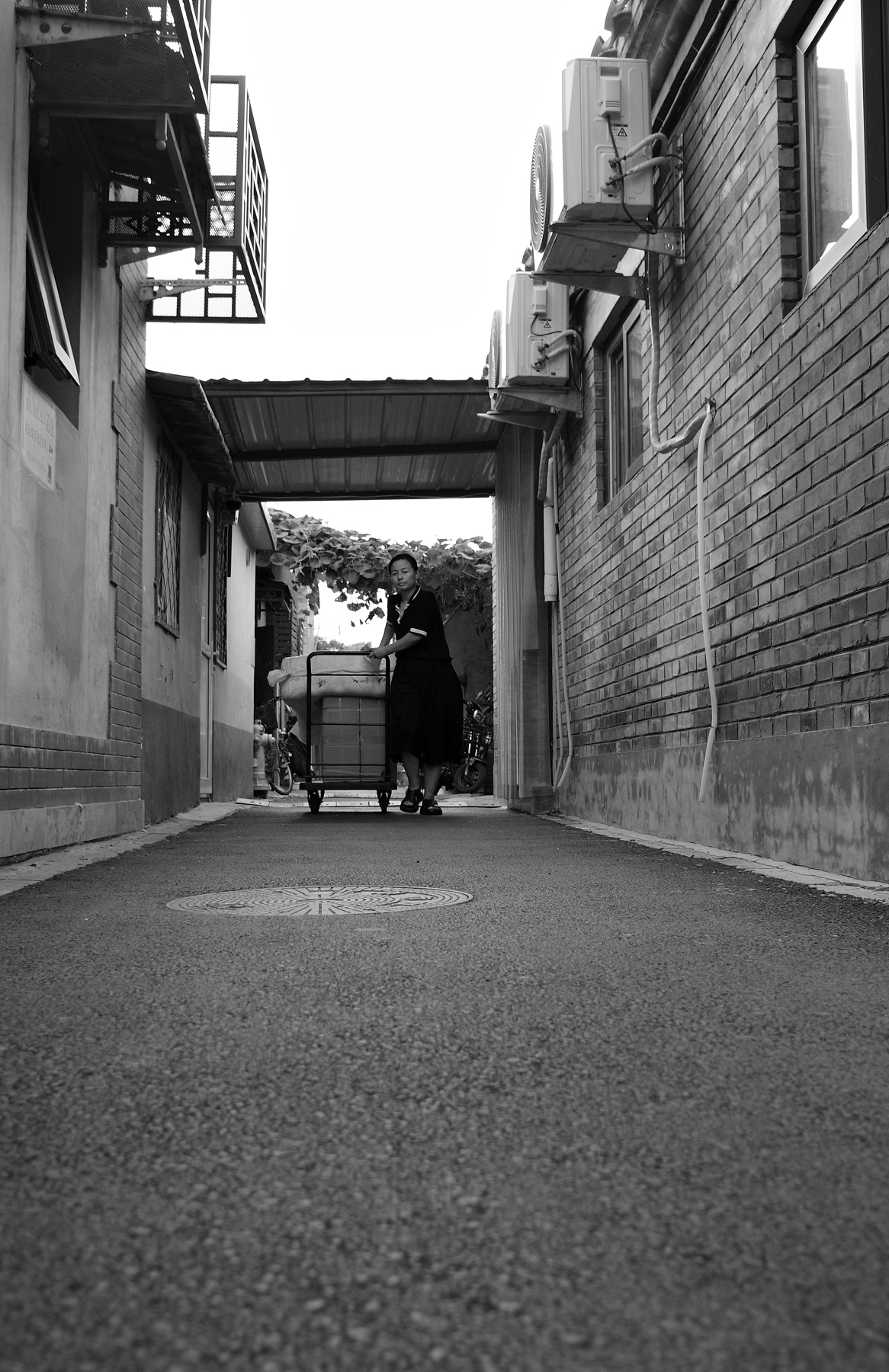
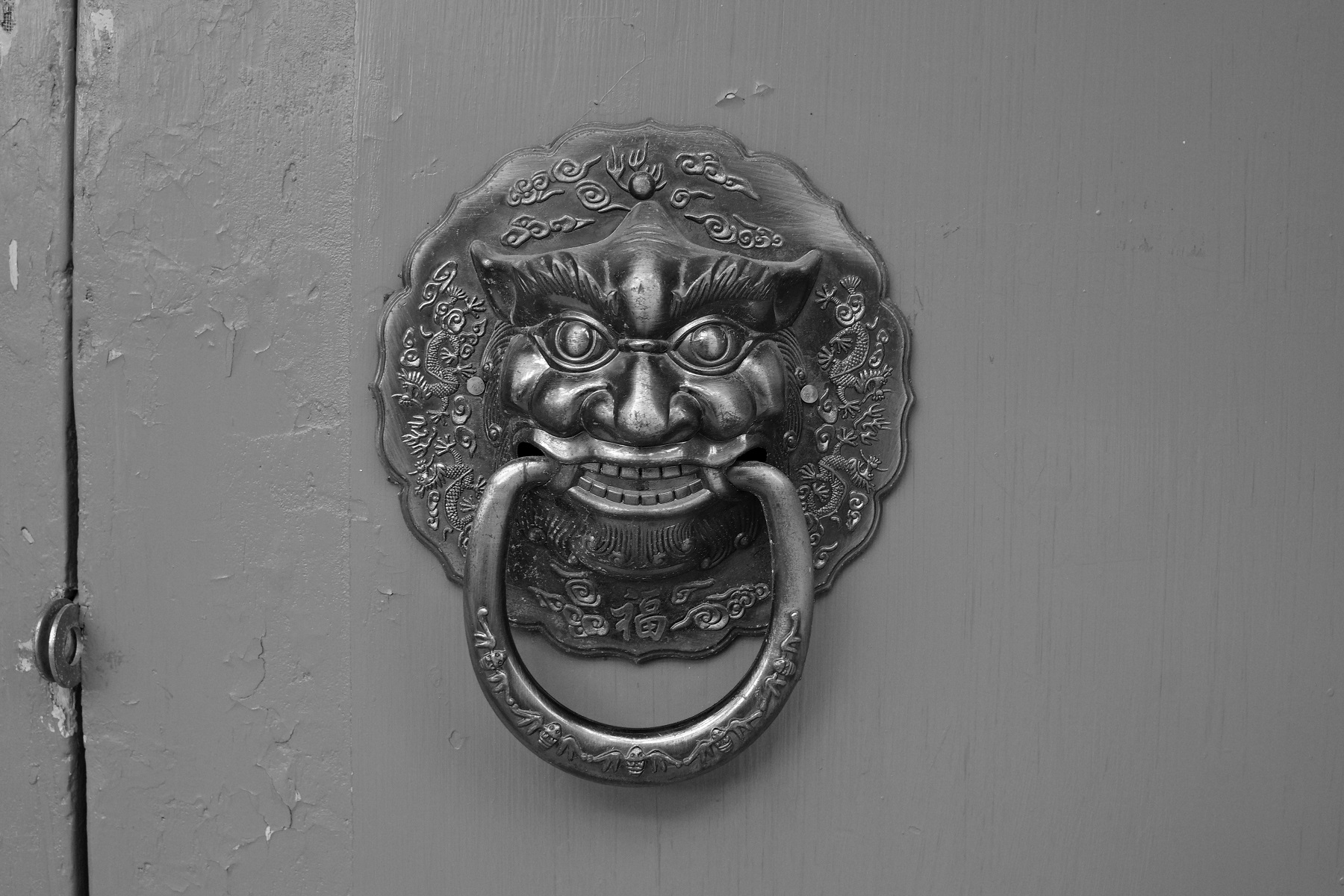
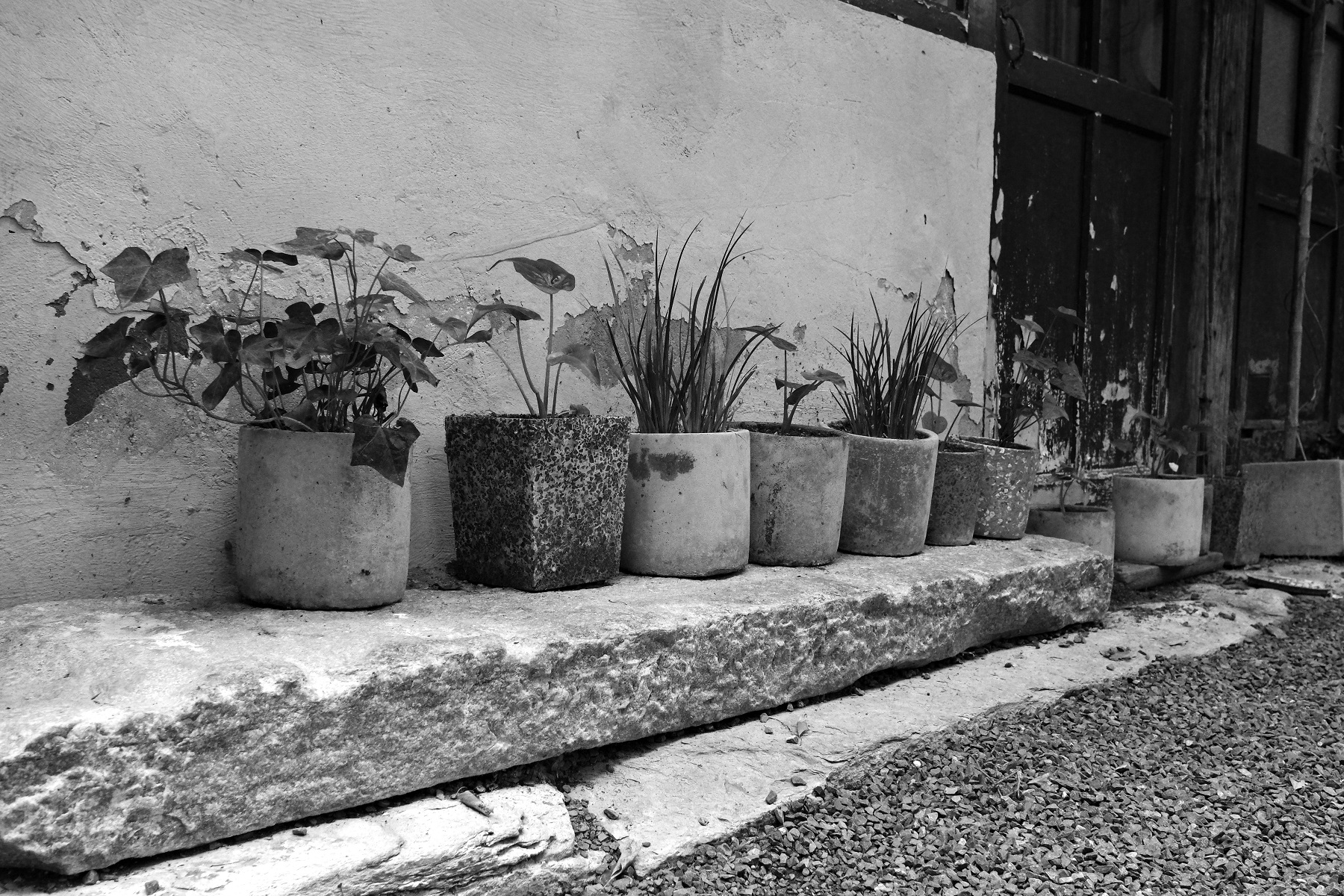
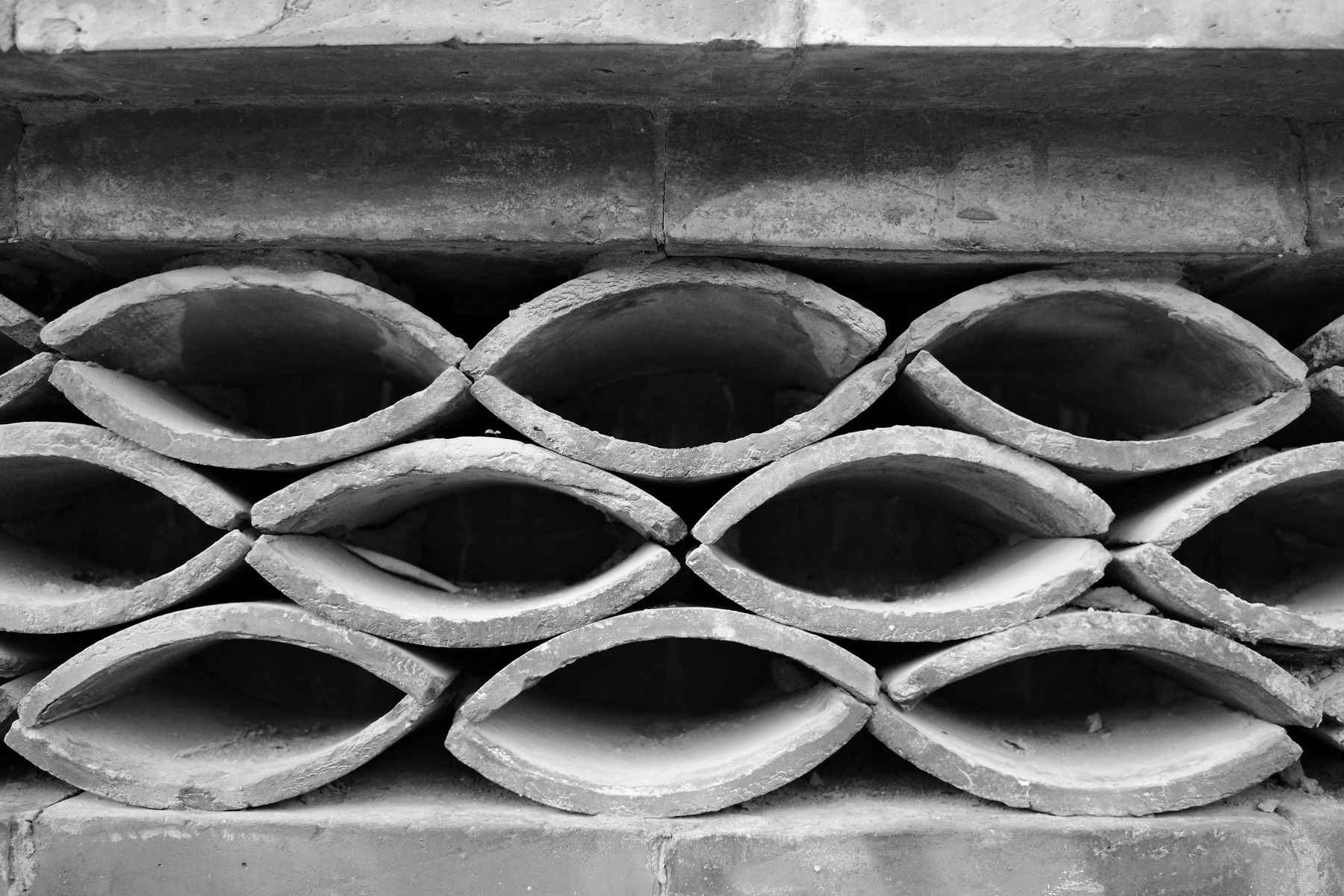
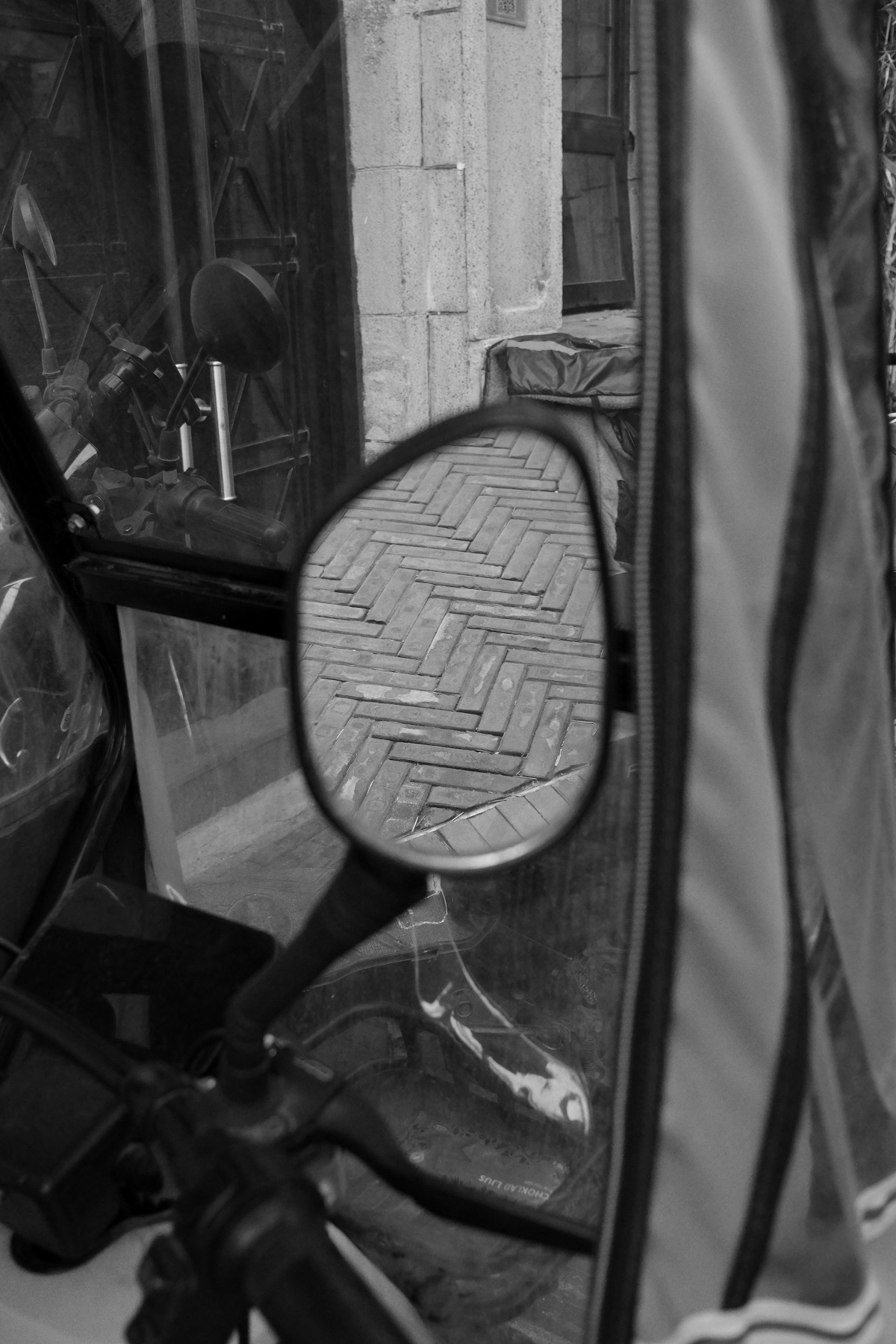
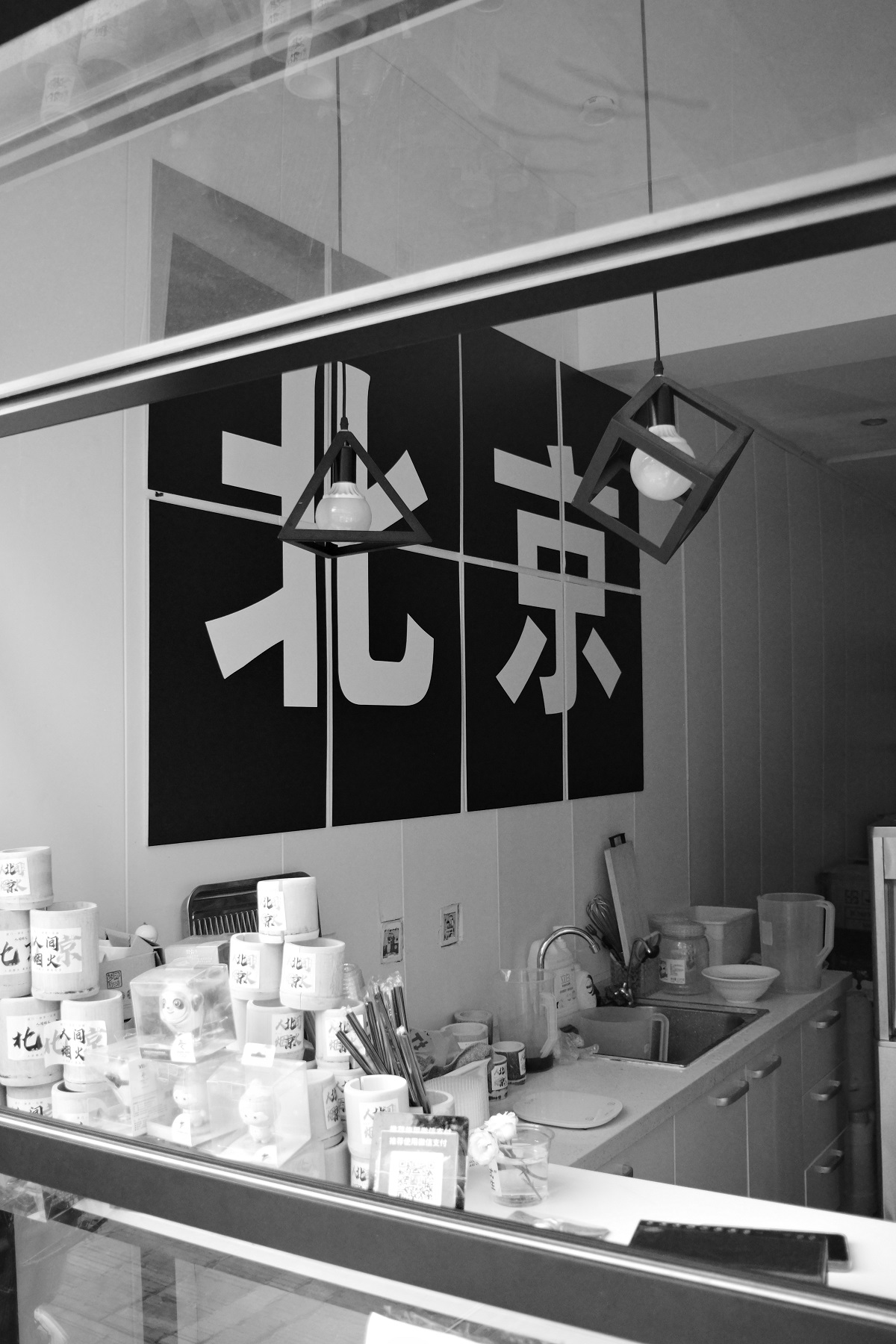
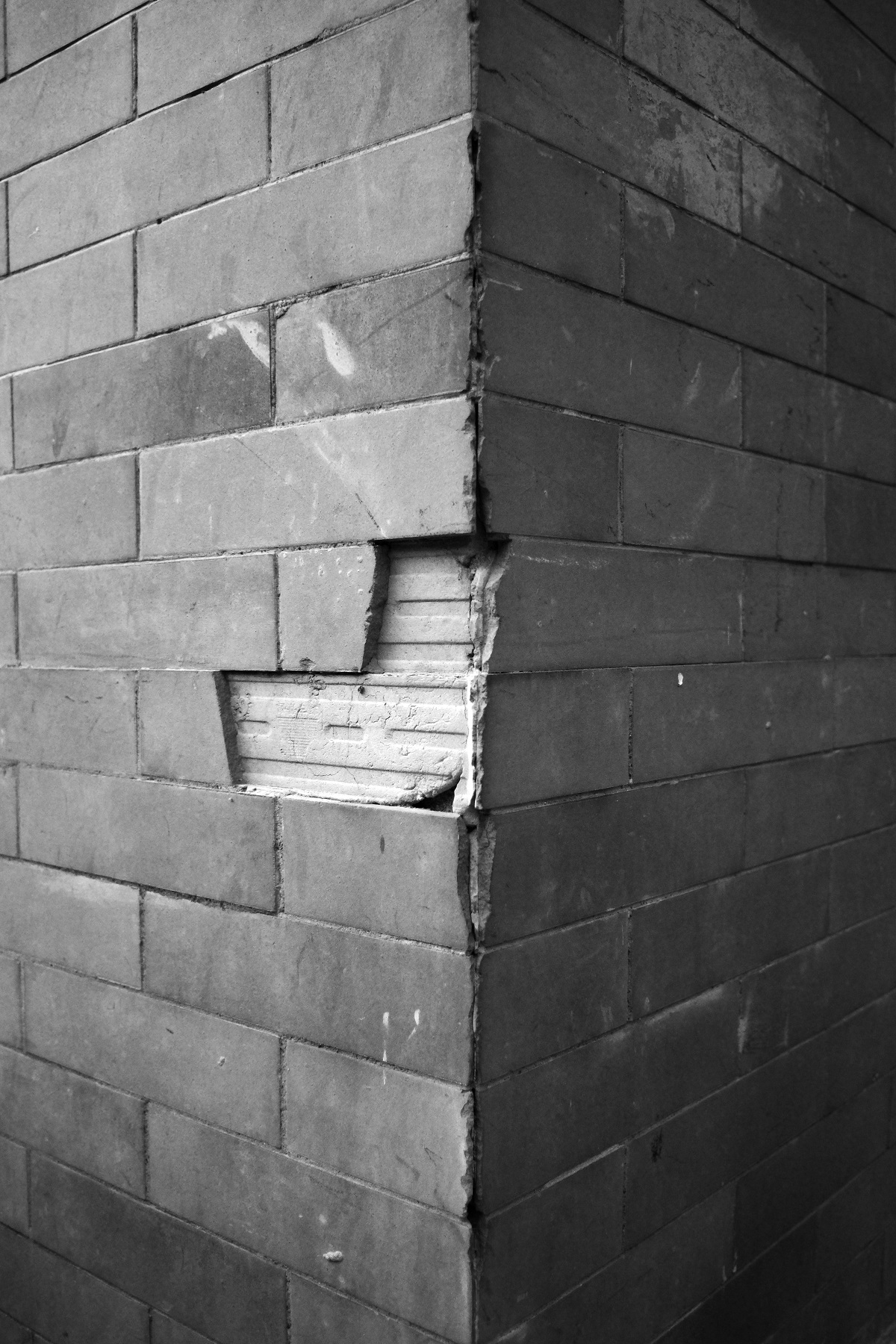
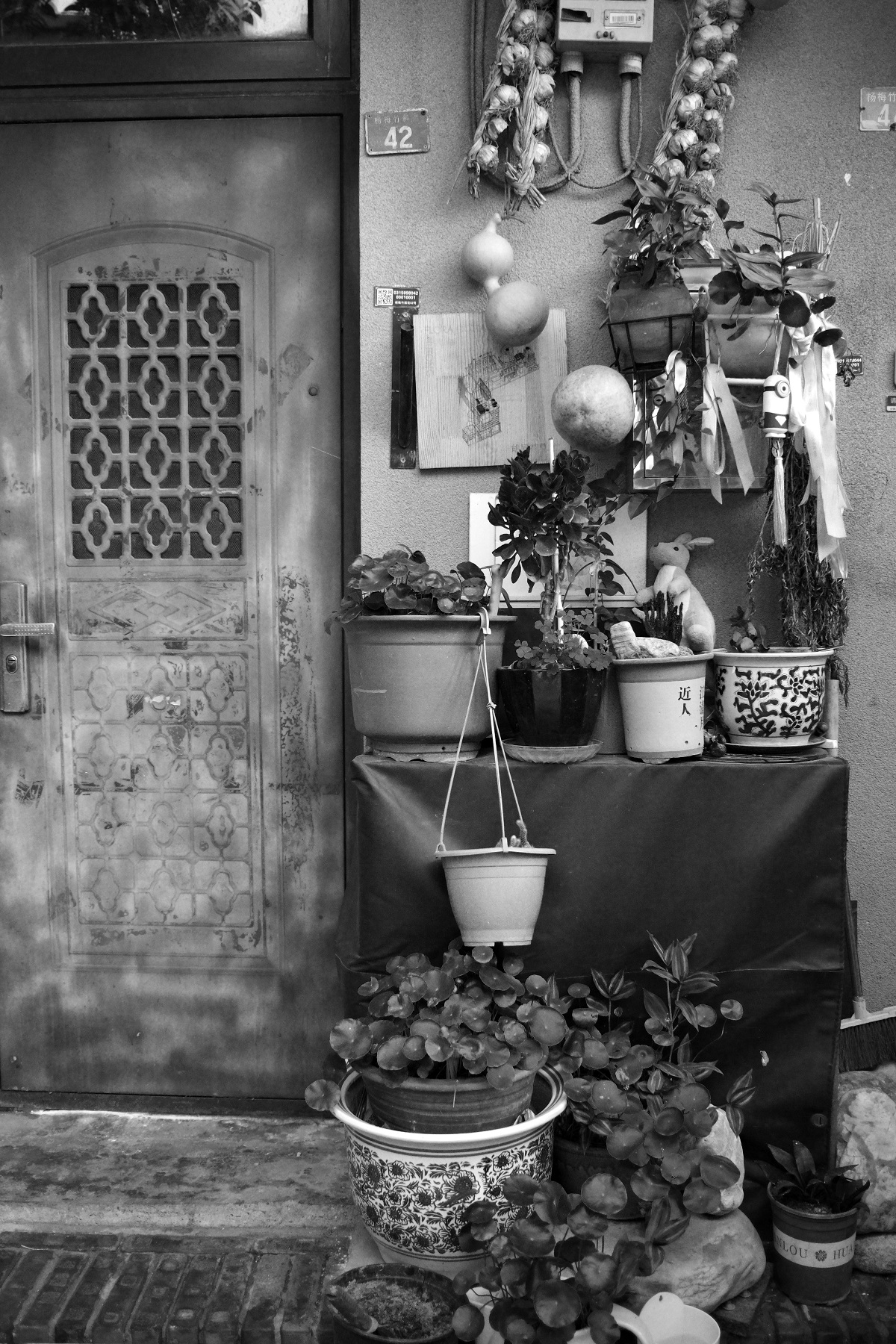
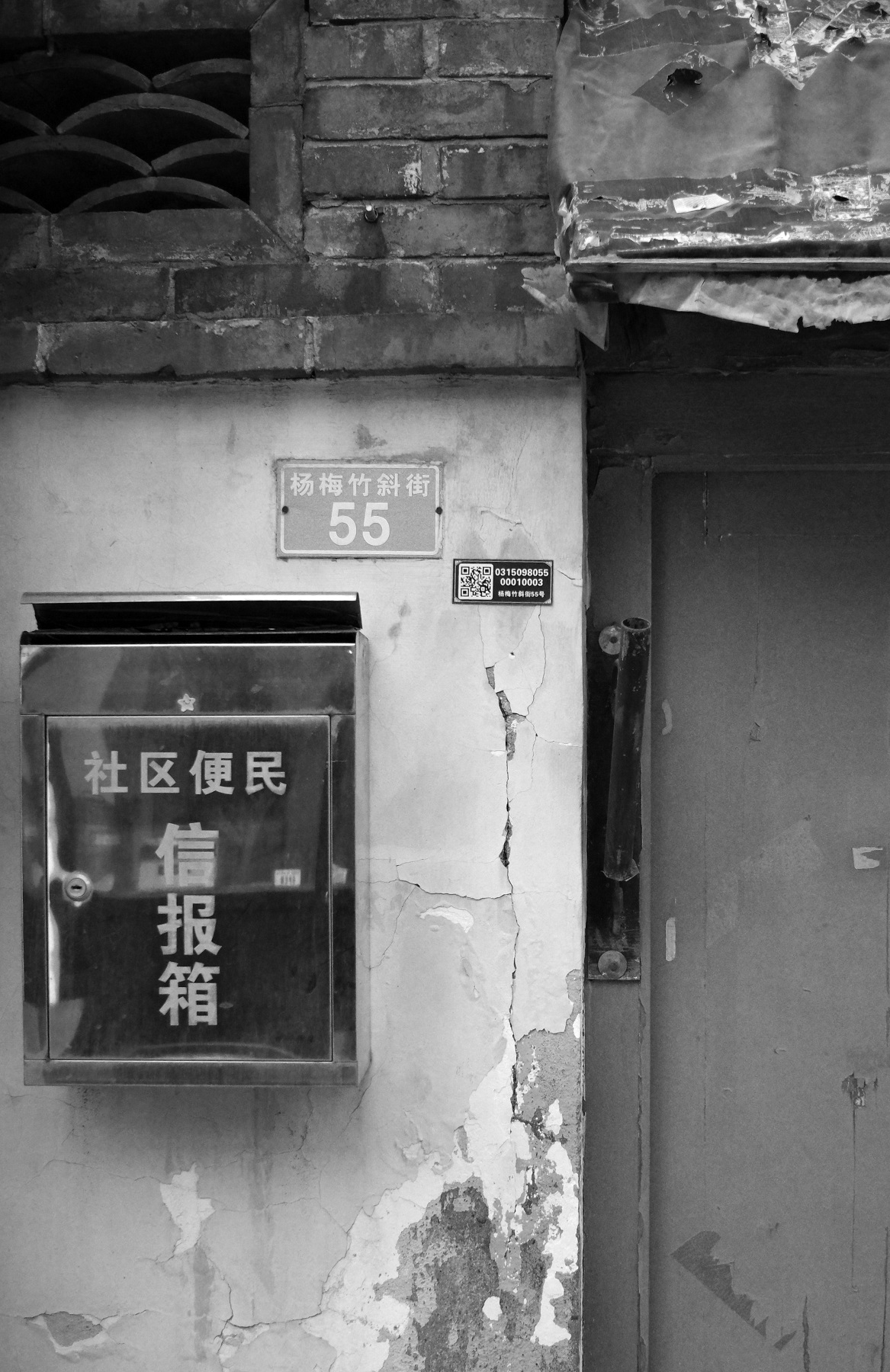
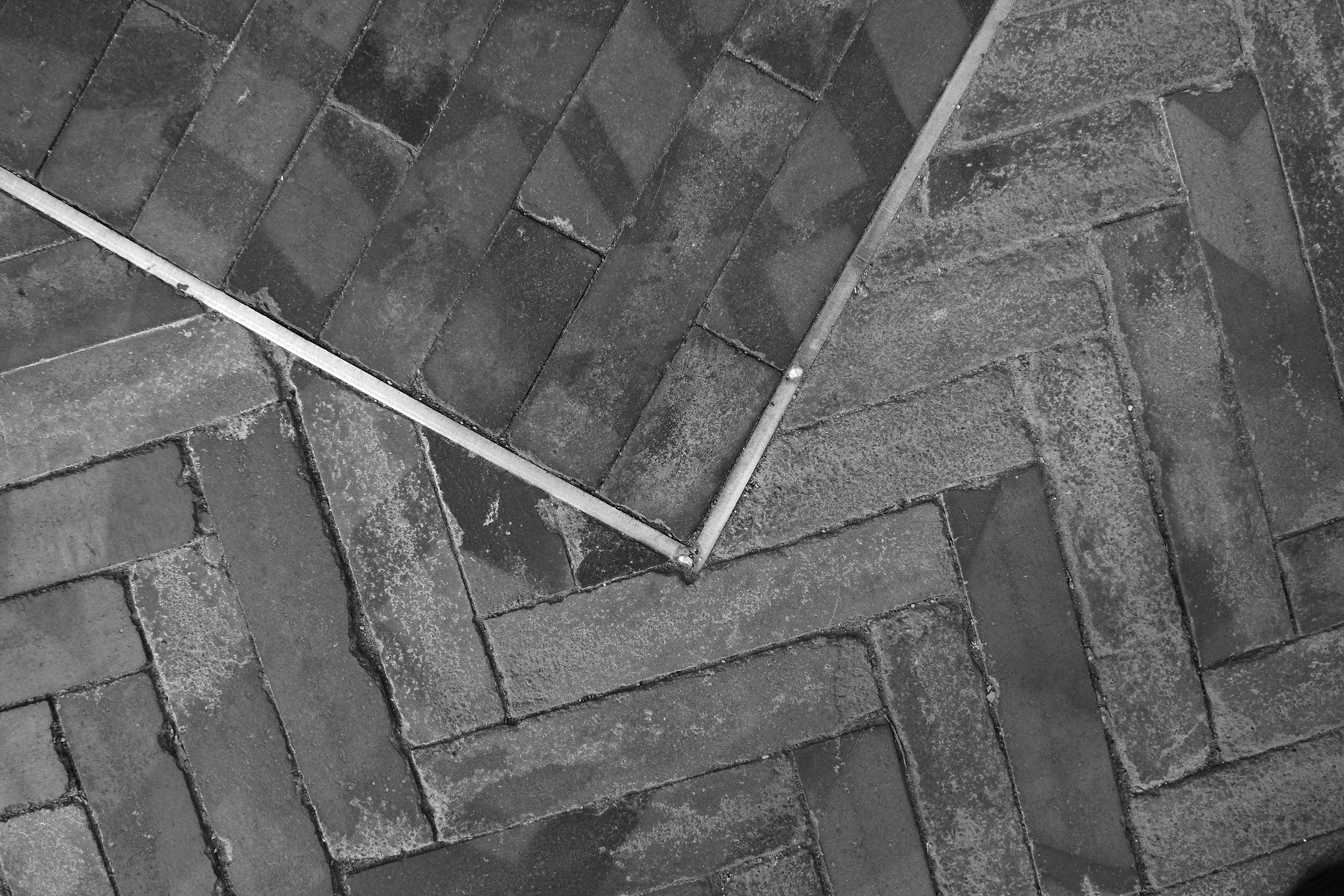
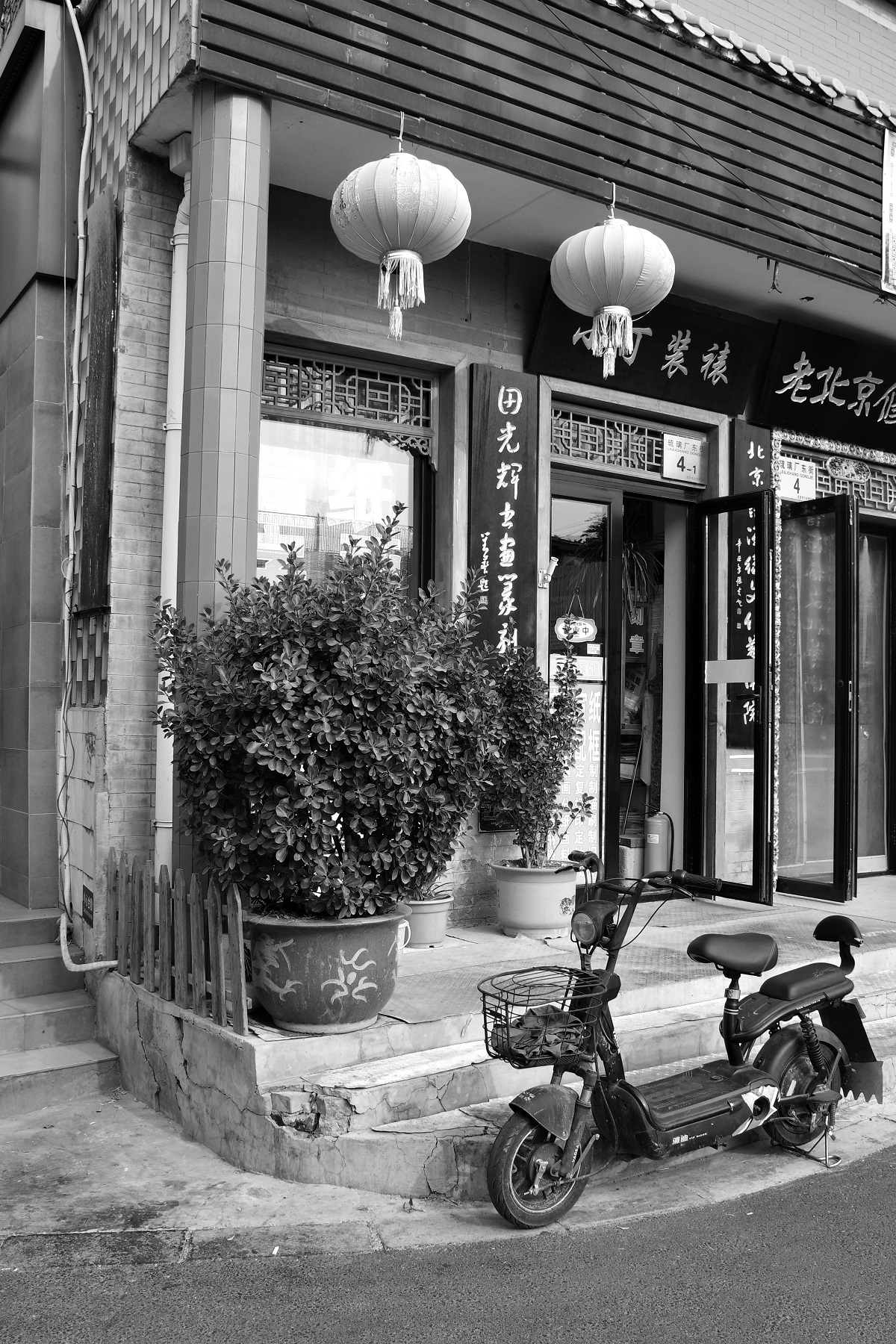
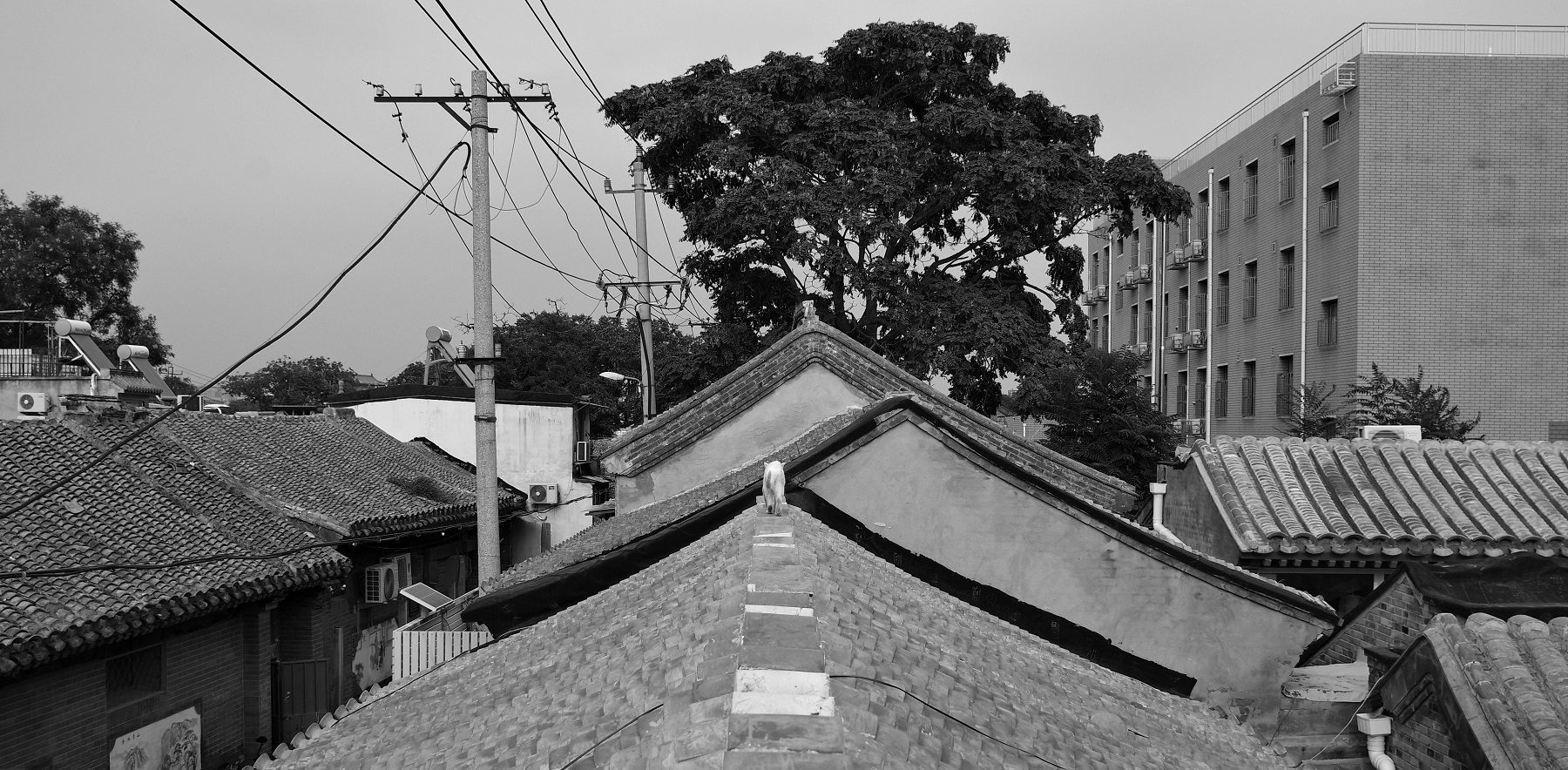
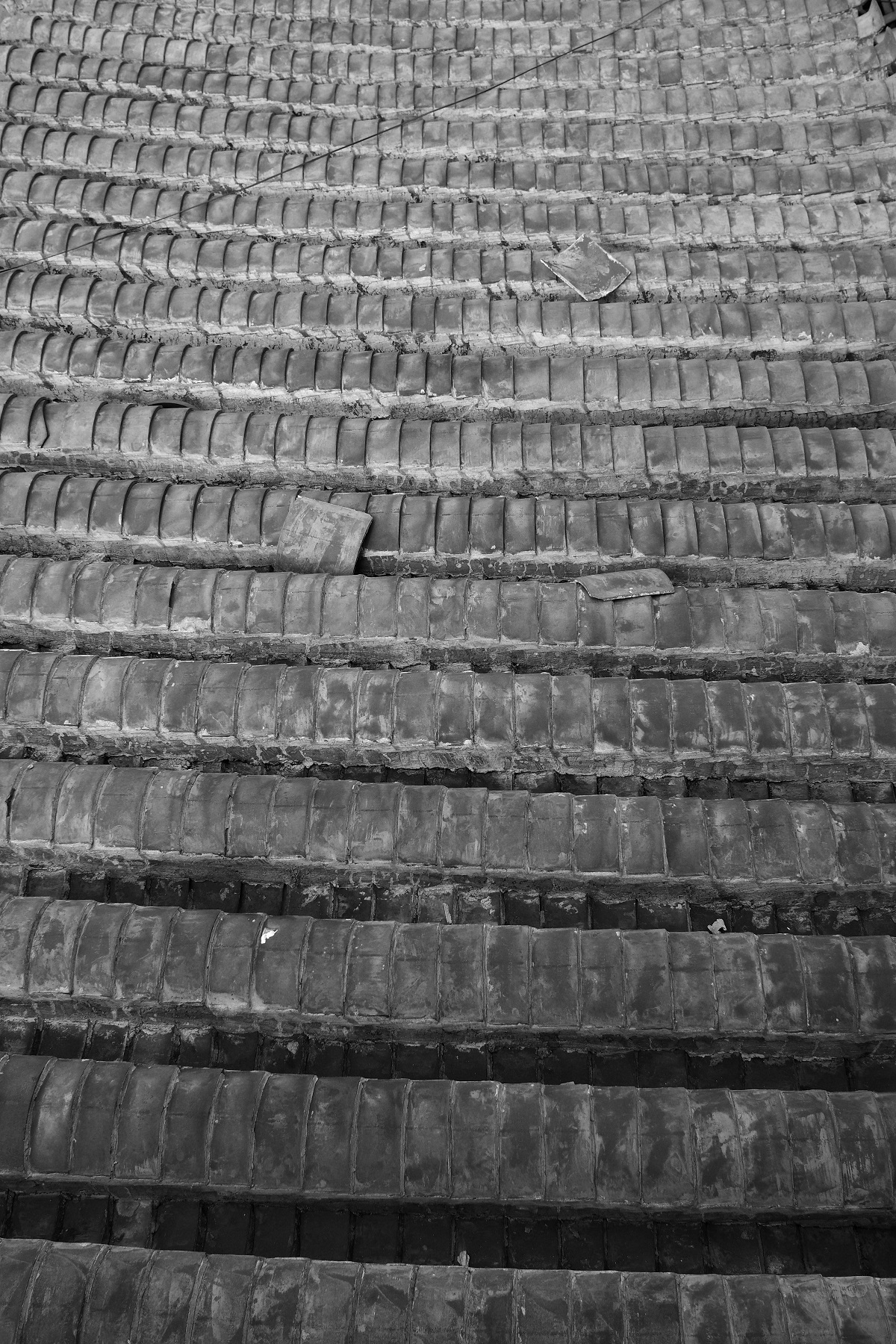
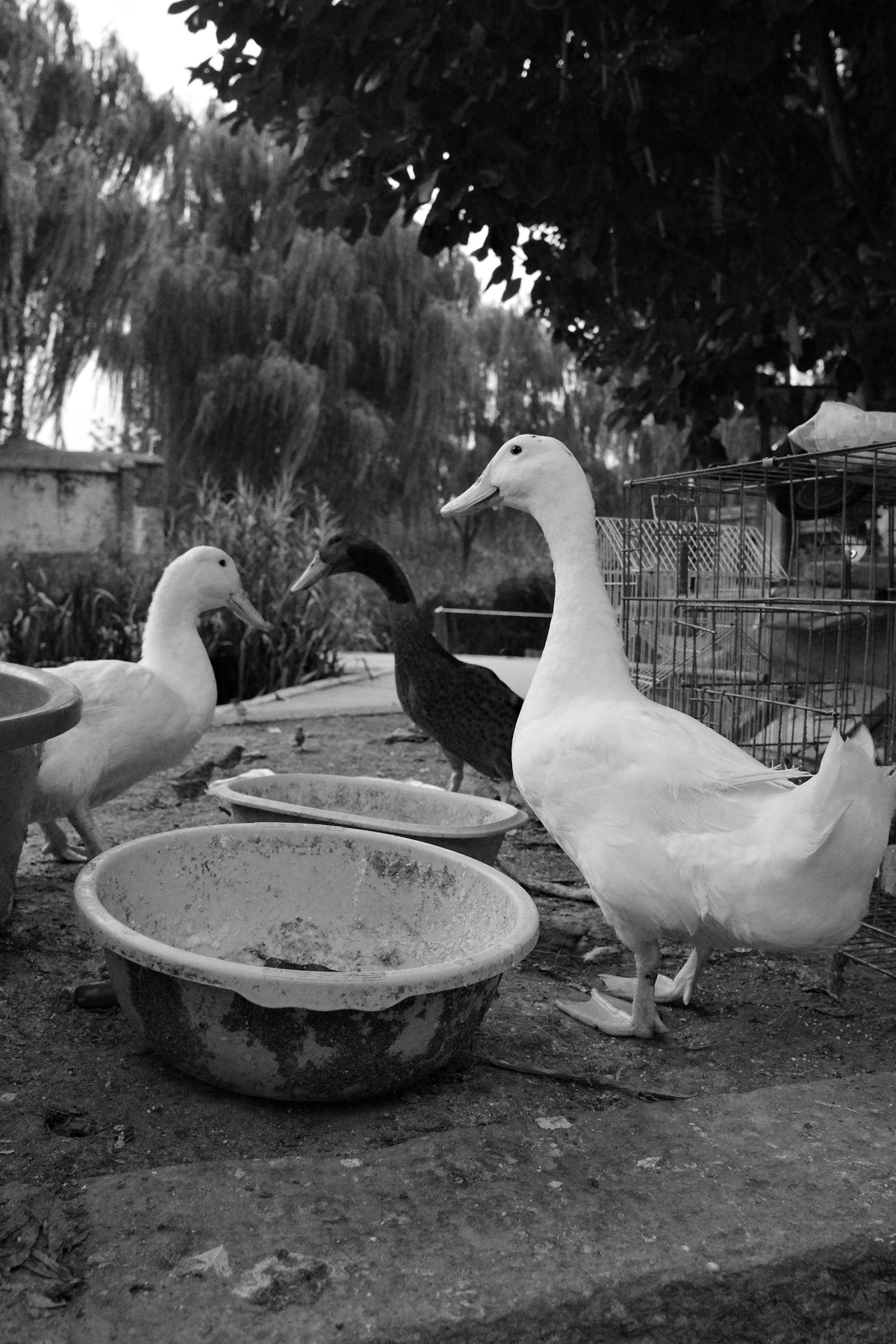
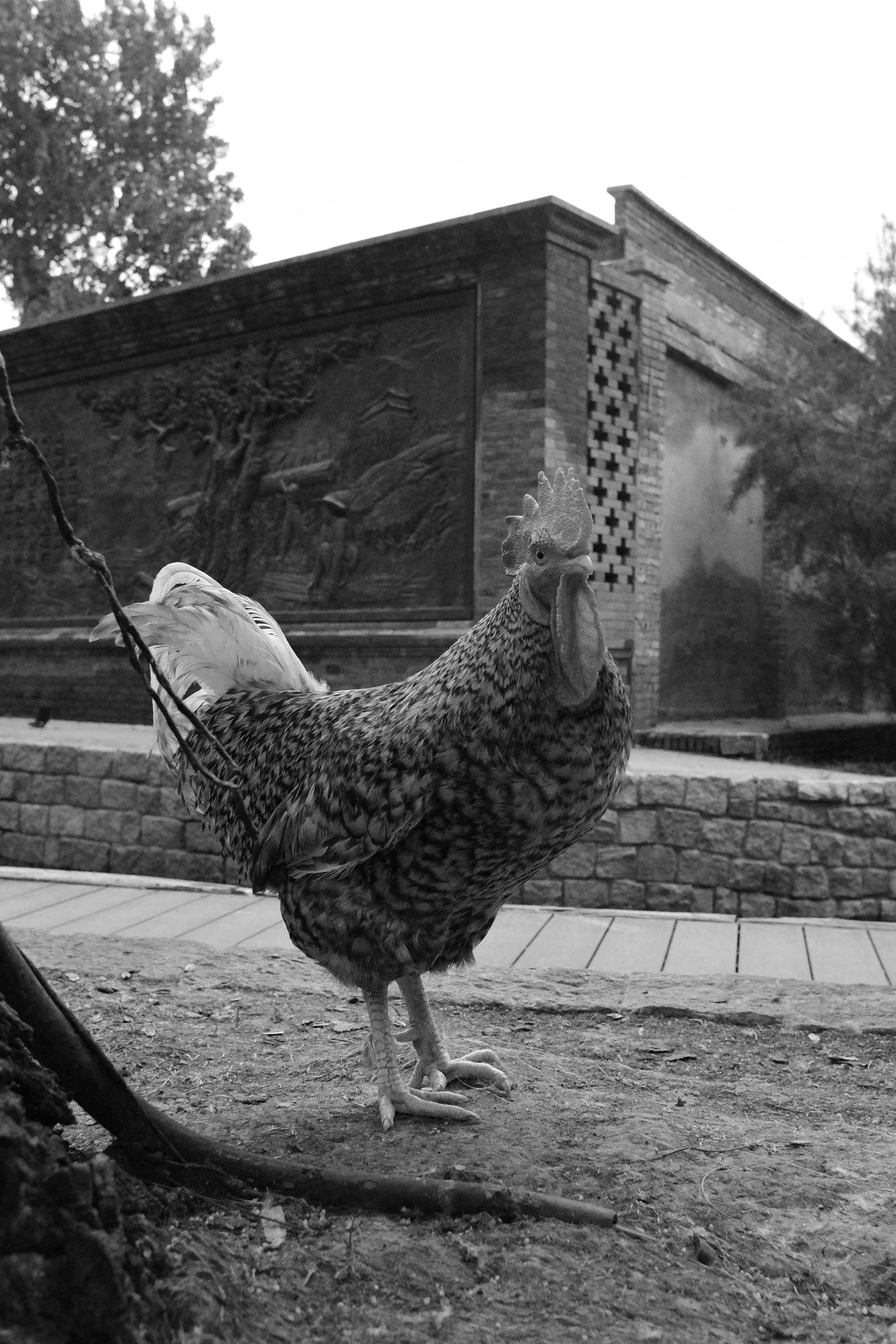
Photos taken with the Pentax K3 III and the Pentax DA 21 mm F3.2.
China is the origin of the East Asian culture that permeates through China, Japan, and Korea. Chinese temples boast a unique and distinctive flair, characterized by intricate architectural details and rich cultural symbolism. Exploring these temples offers a captivating journey into the heart of Chinese spirituality and artistic expression. The vibrant colors, ornate carvings, and serene atmospheres provide ample opportunities for stunning photographs, each frame capturing a glimpse of the profound beauty and heritage preserved within these sacred spaces. From the grandeur of the Forbidden City to the tranquil elegance of secluded mountain temples, China’s architectural wonders beckon travelers to immerse themselves in a world of timeless grace and reverence.
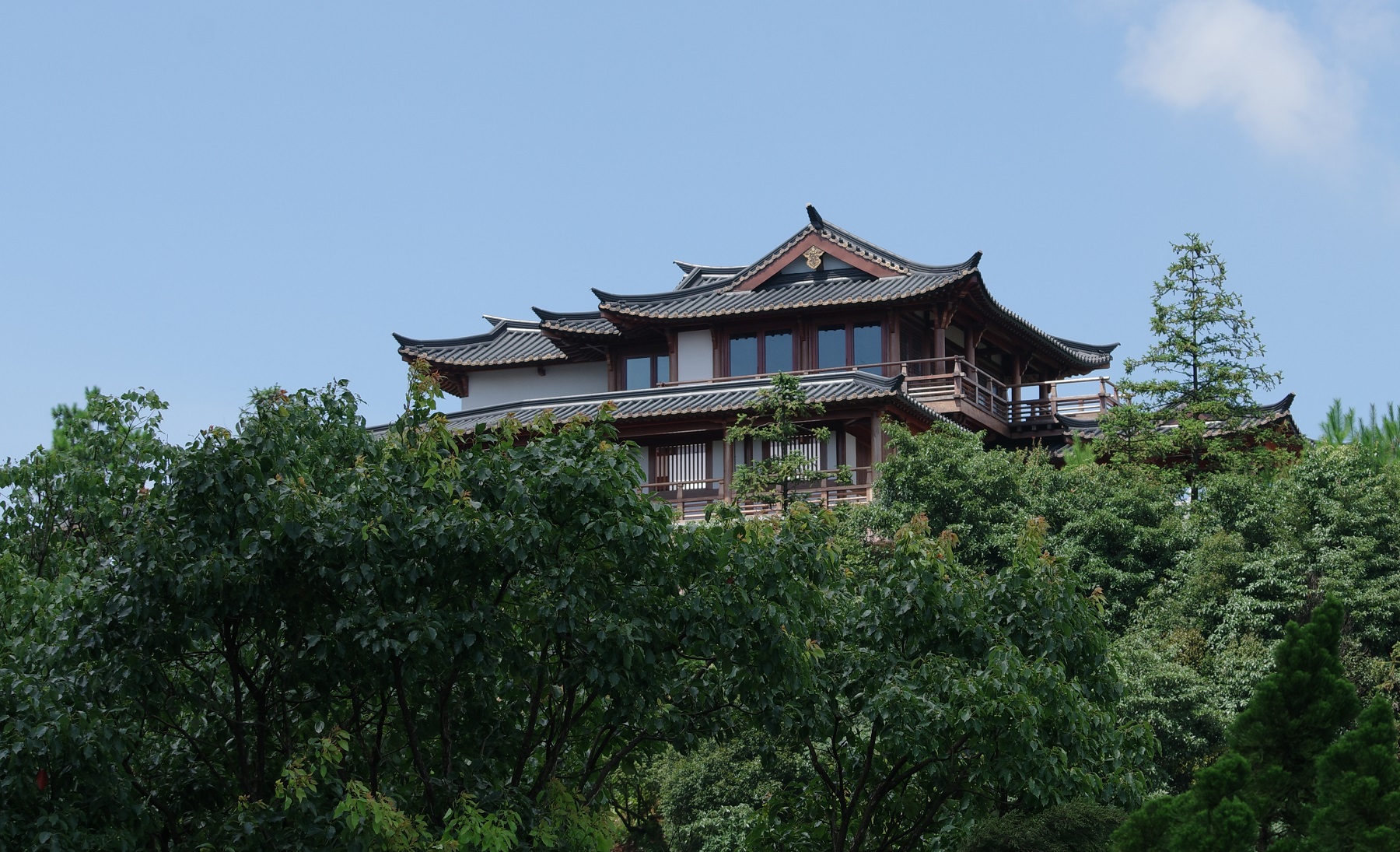
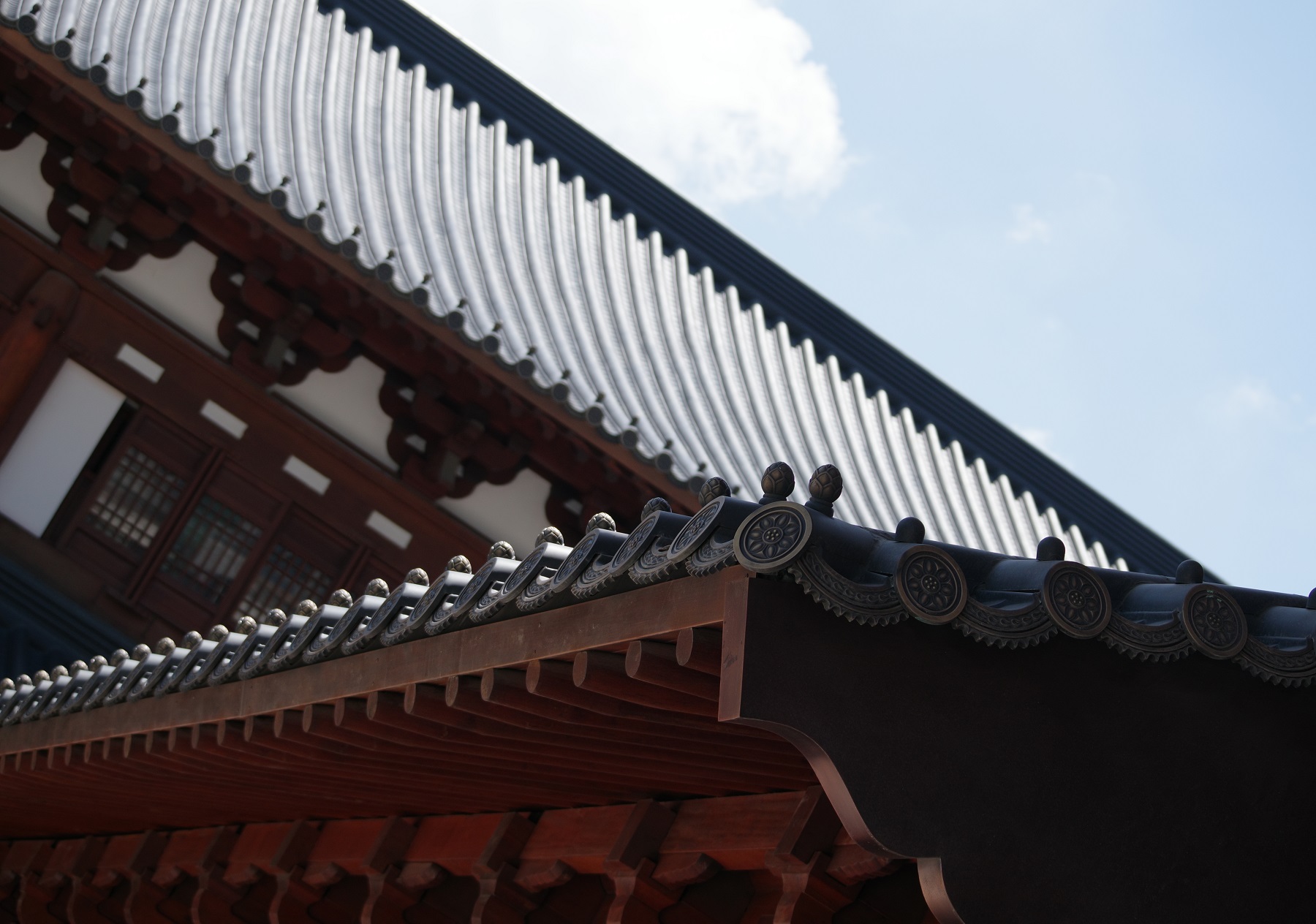
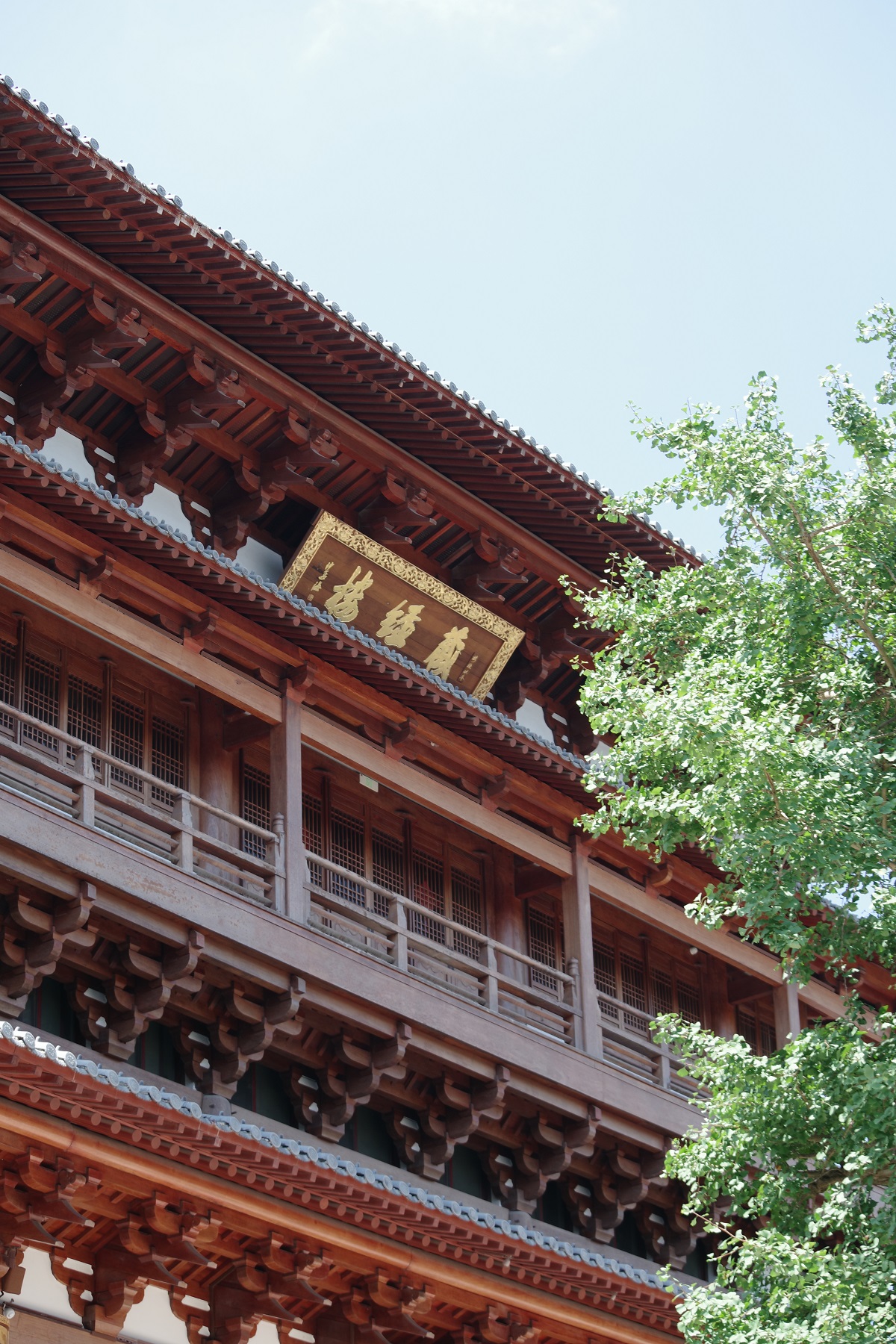
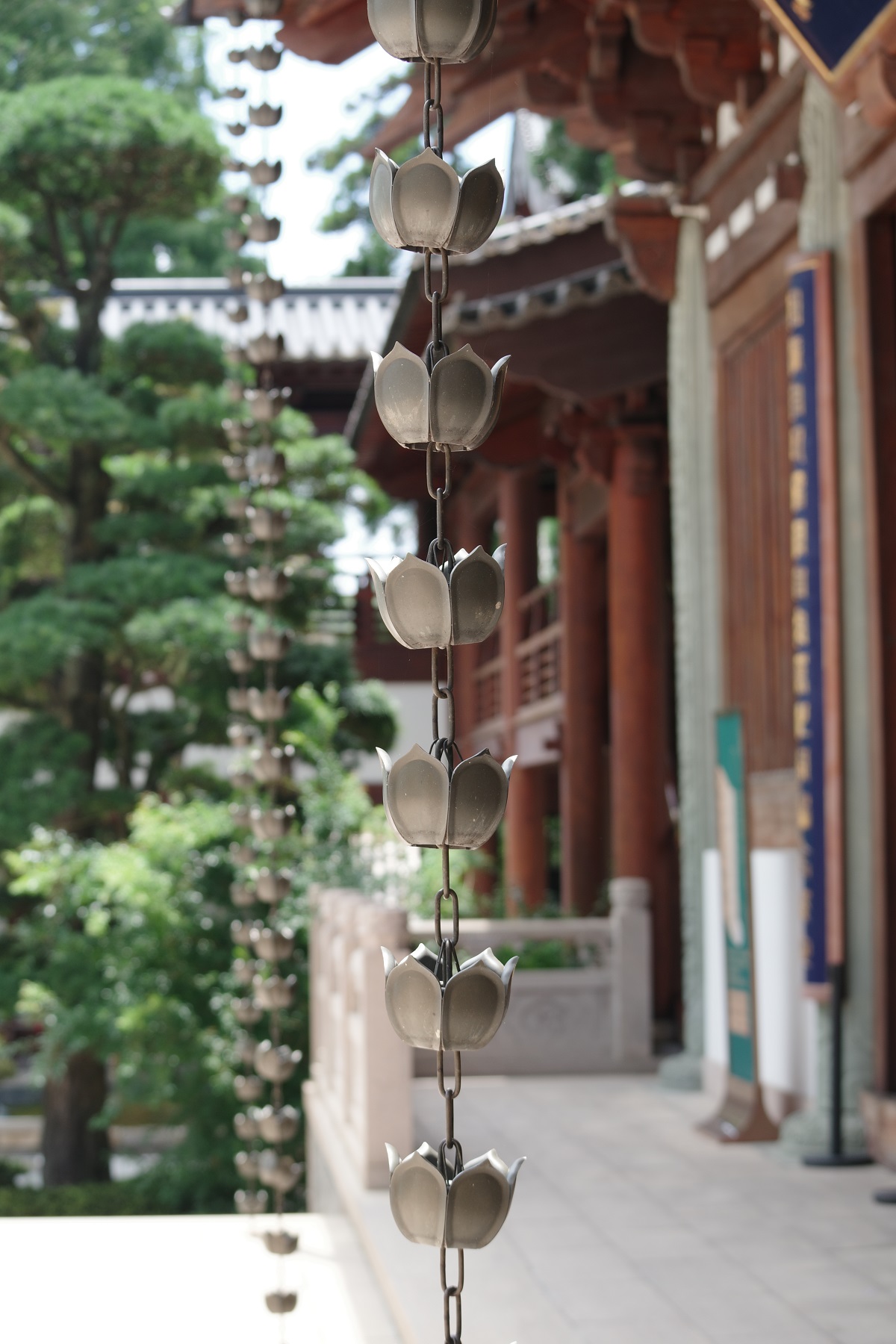

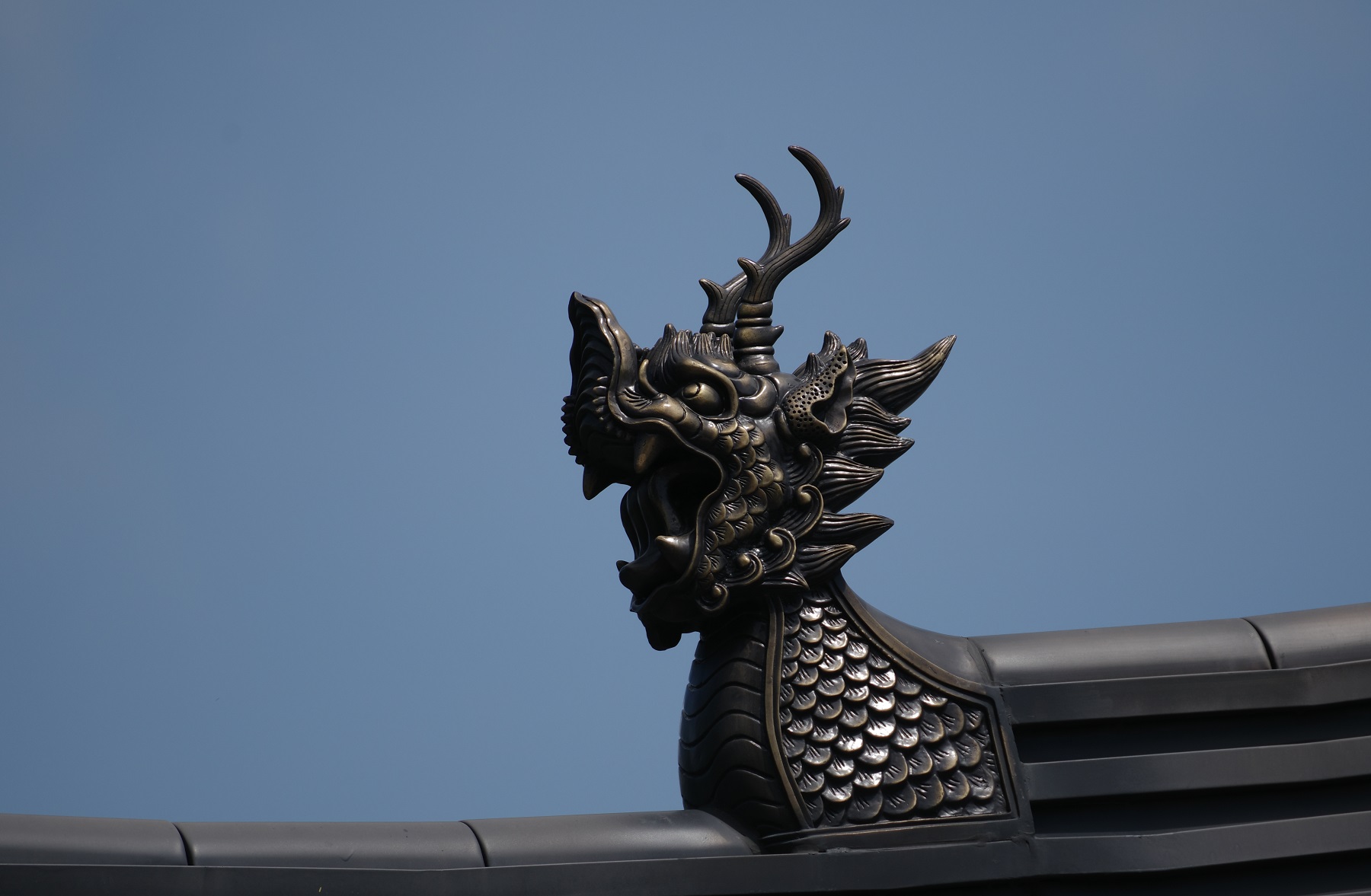
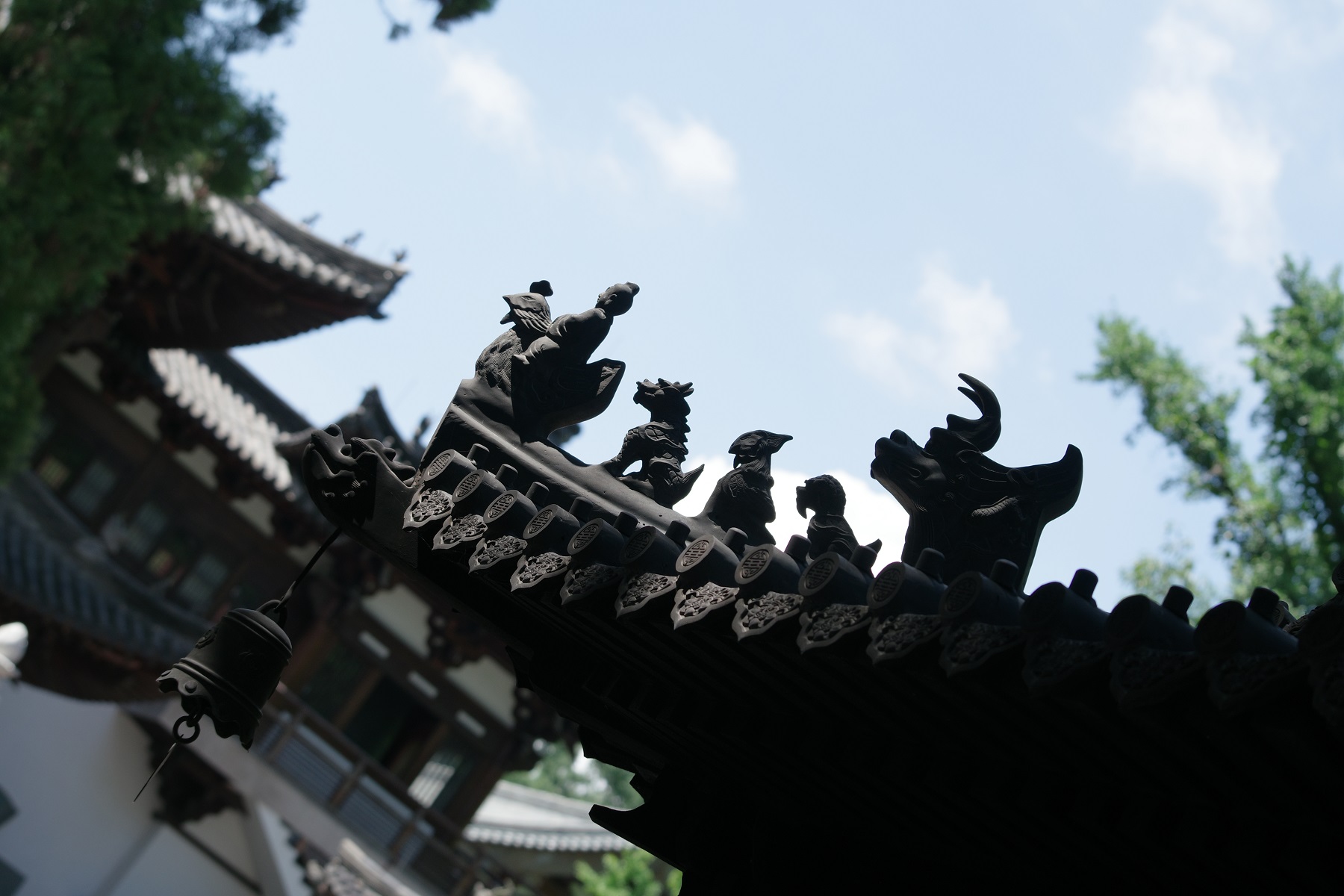
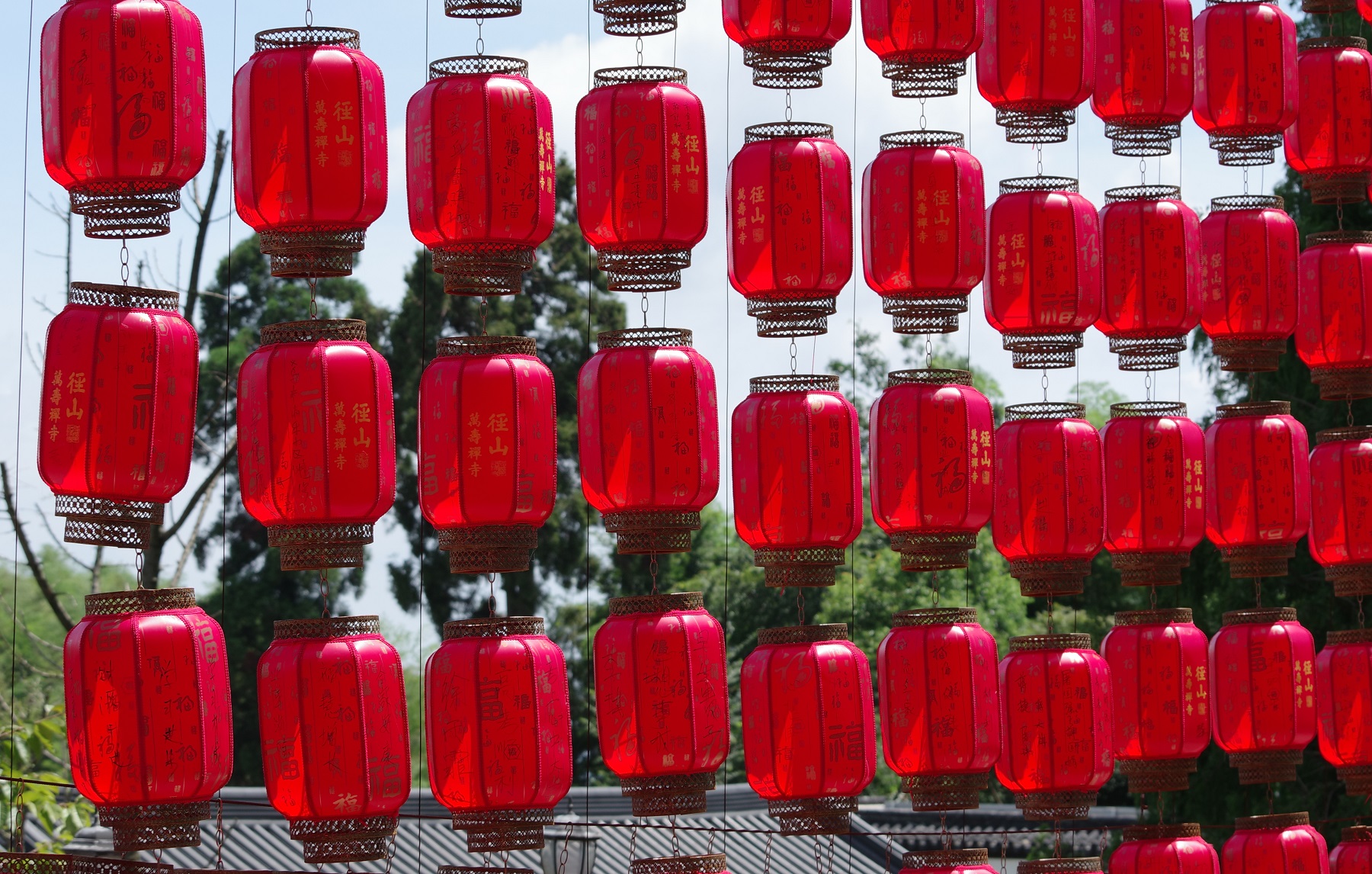
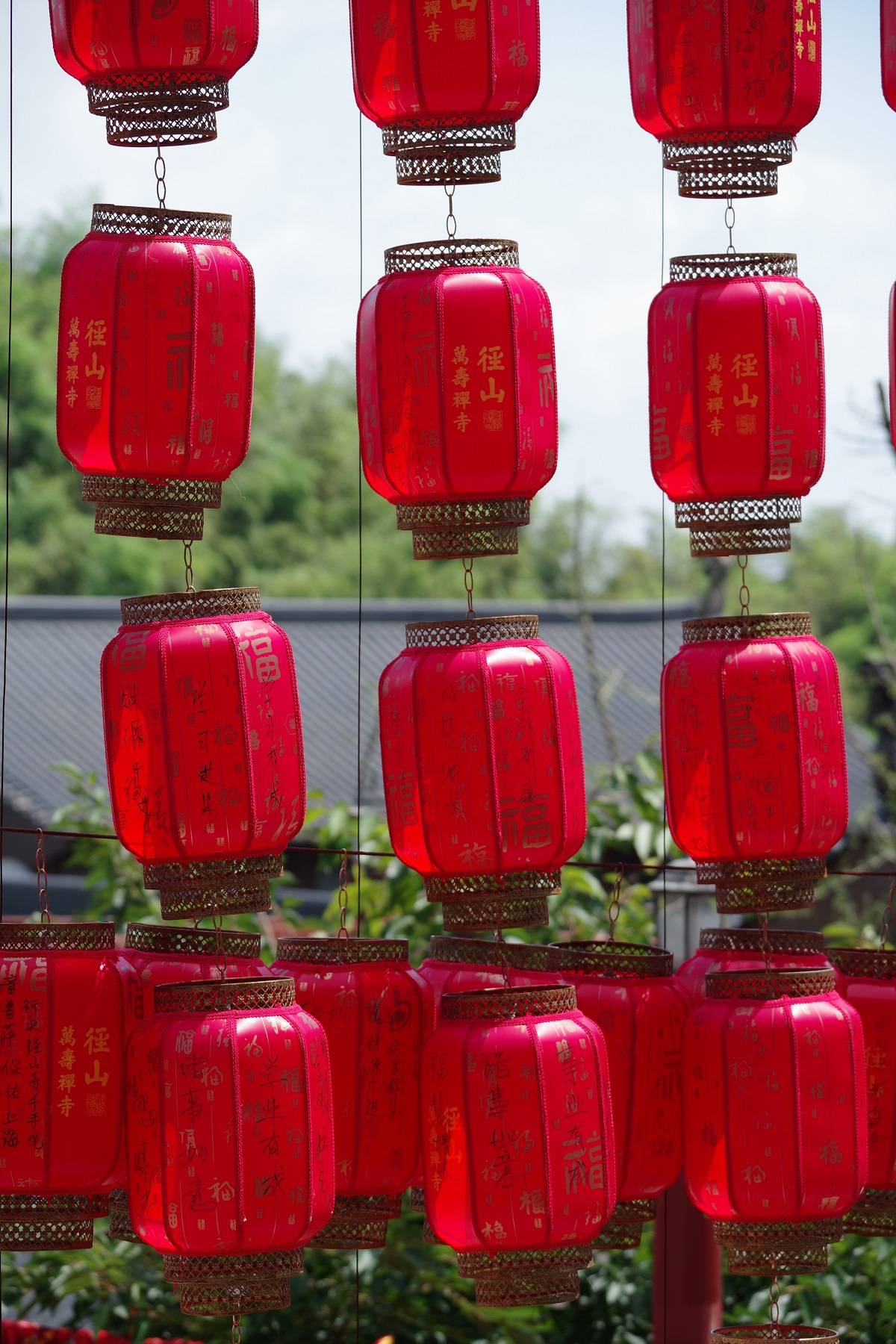
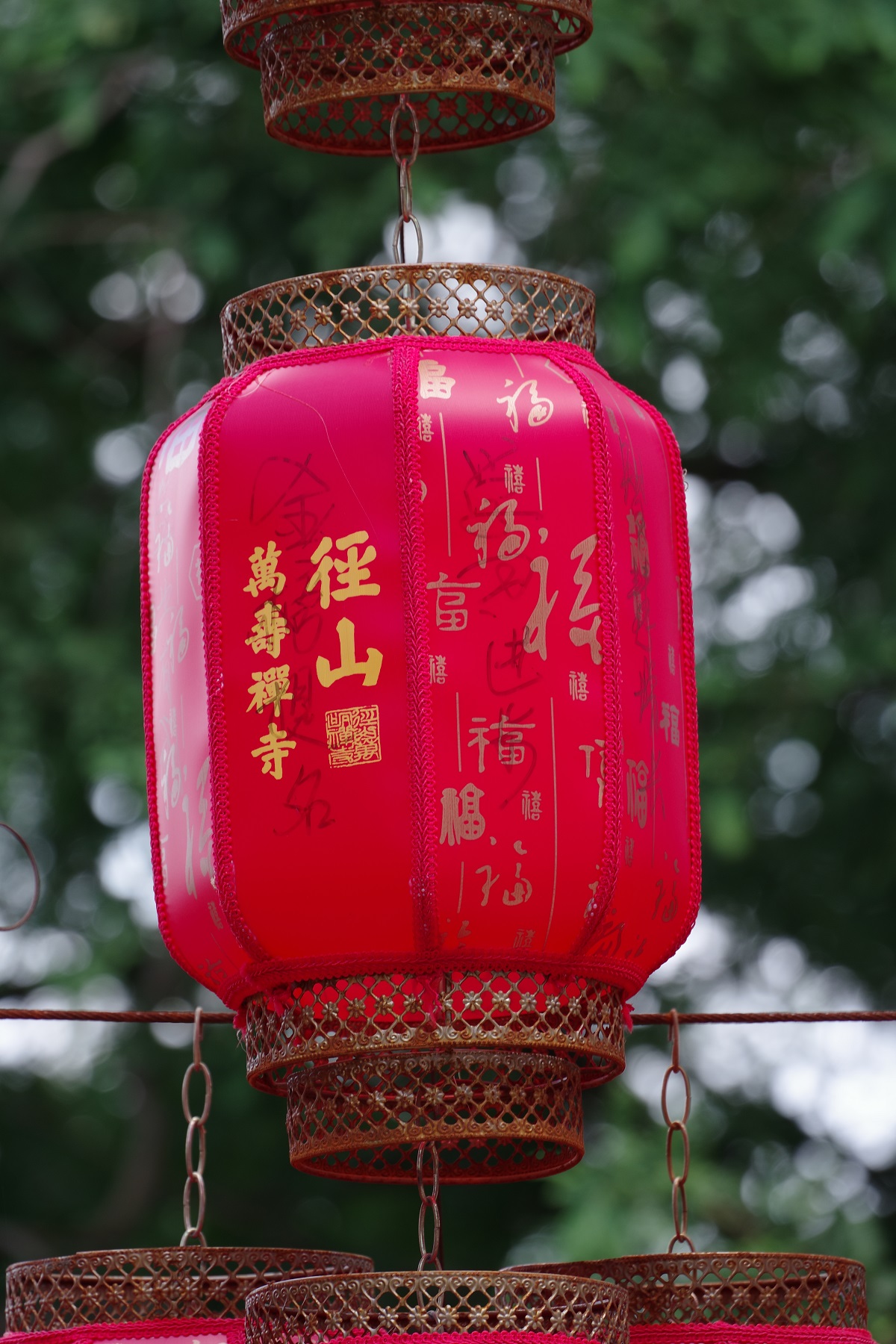
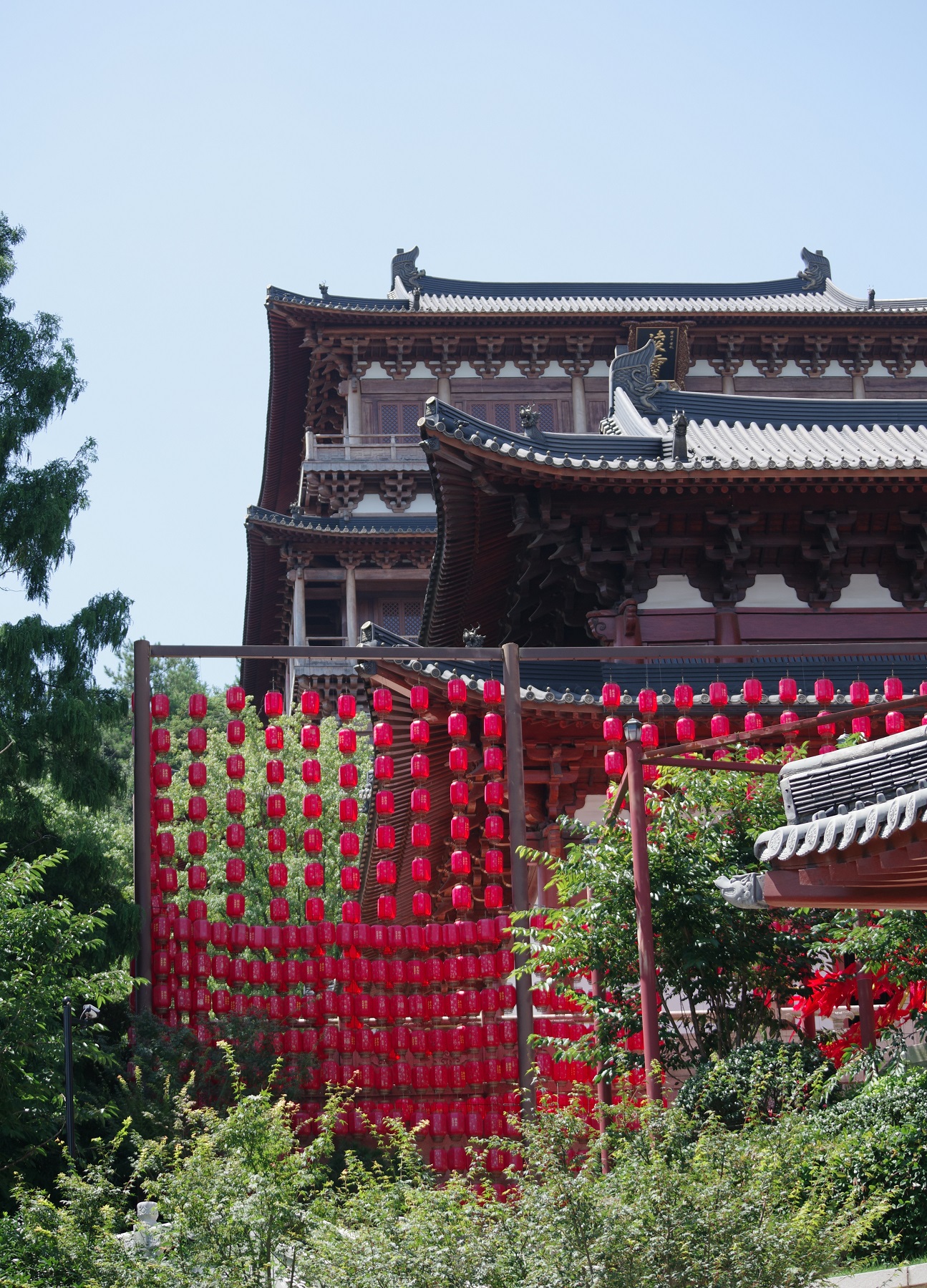
This temple is located on a mountain in the Zhejiang province not far away from the city of Hangzhou.
Photos were taken with the Pentax K3 III and the Pentax 55-300 mm F4.5 – 6.3 PLM.
Frankfurt am Main has a special place among European cities. Anyone who has passed through its airport knows how quickly the world feels within reach. Flights come and go in every direction, and this steady international traffic gives the city a pace that feels natural, almost familiar, to people who travel often.
The Porsche 911 has earned its place as an icon among sports cars, not because of marketing or trends, but because it has stayed true to its roots for generations. Its silhouette is instantly recognizable: the sloping roofline, the round headlights, the rear-engine stance. Even people who aren’t car enthusiasts can pick it out without a second thought.
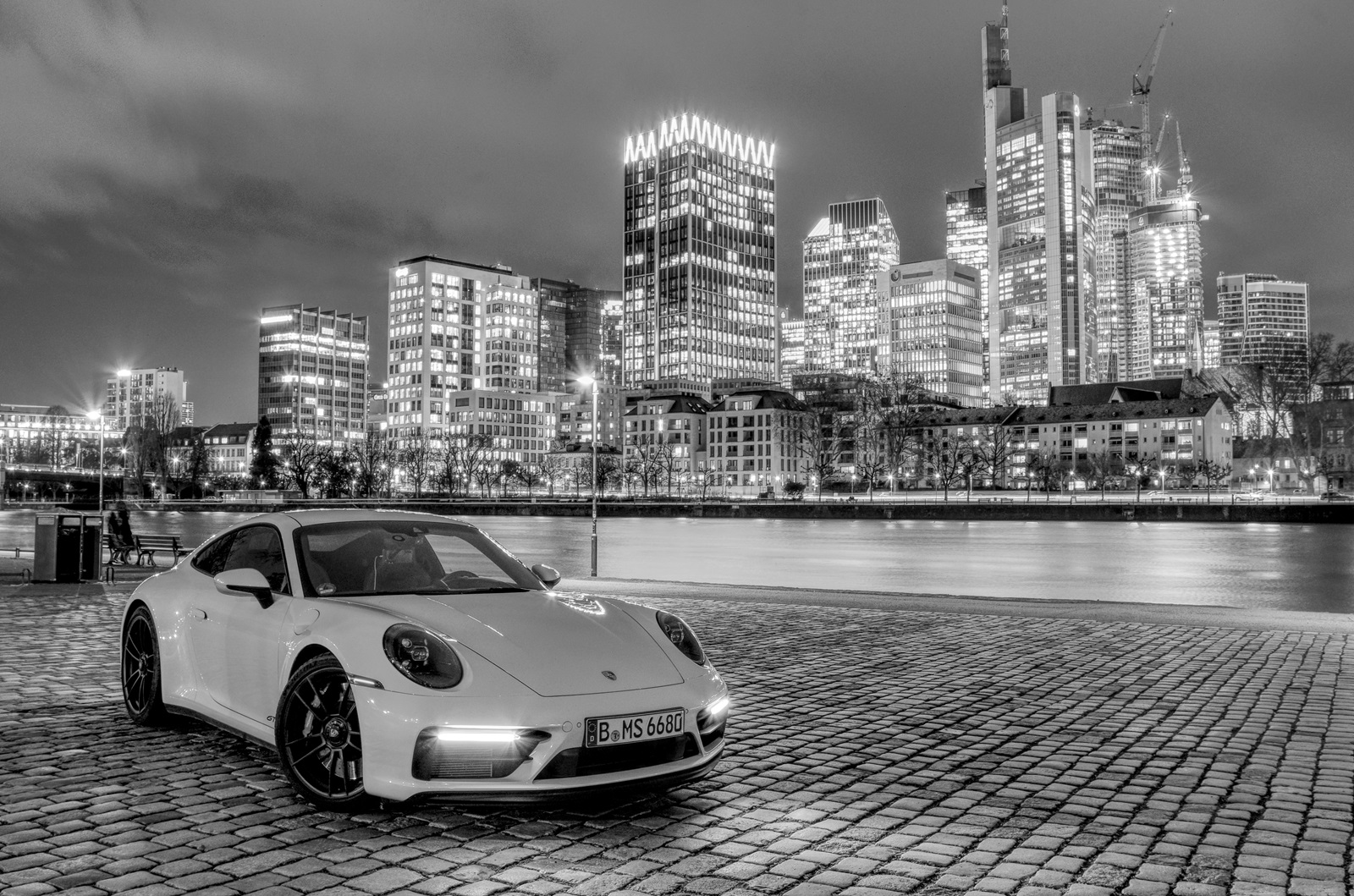
Porsche Carrera 911 992 4 GTS and the Skyline of Frankfurt am Main
What makes the 911 special is how little it has needed to change. Each new model brings improvements, but the character remains the same. You feel it in the way the car responds, in the balance that comes from the engine sitting where it always sat, and in the straightforward focus on driving rather than showmanship.
It’s a car that carries decades of experience without losing its purpose. That continuity is what gives the 911 its charm: a sports car that doesn’t chase fashion, but simply keeps refining what made it great in the first place.
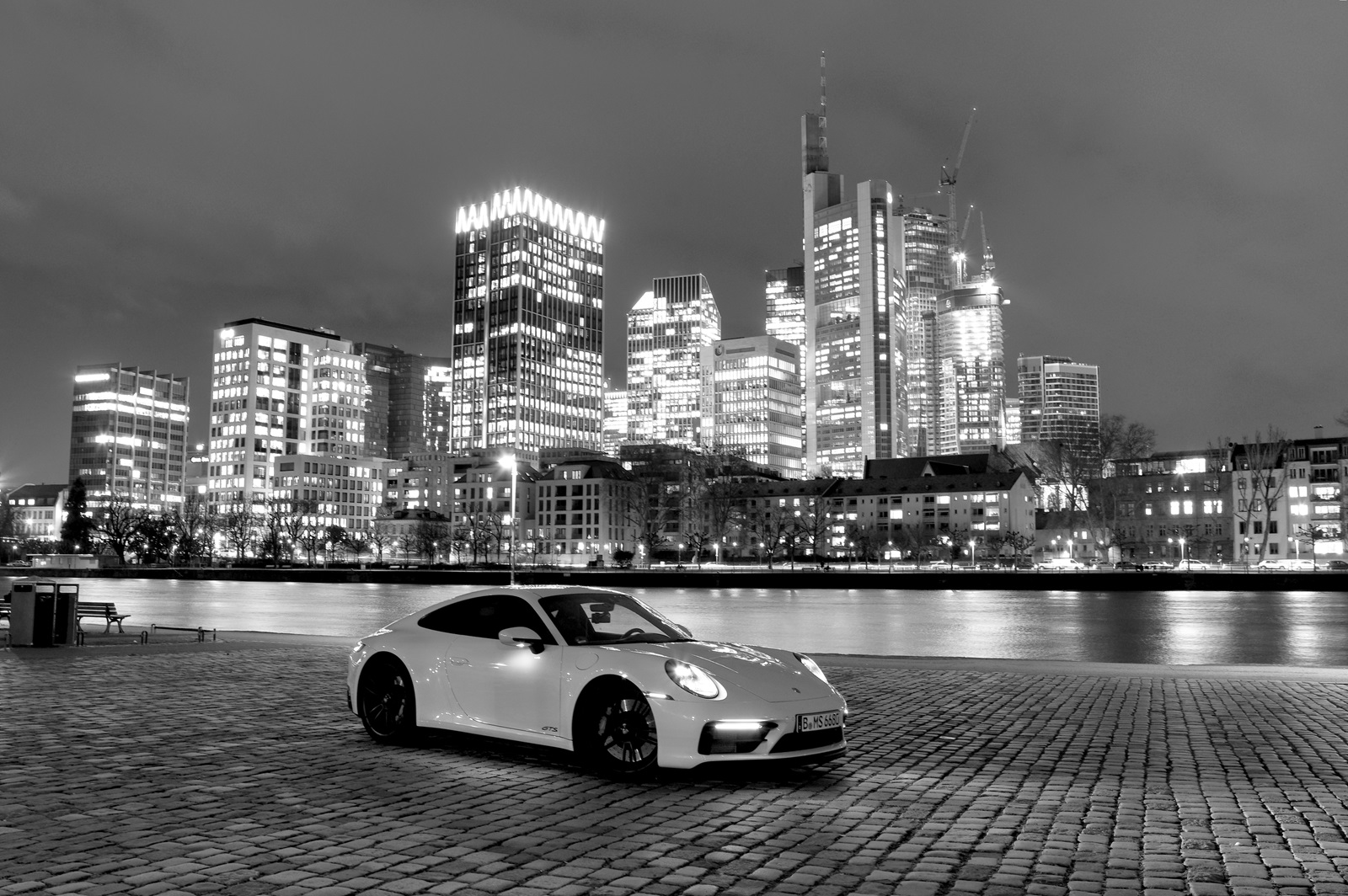
Porsche Carrera 911 992 4 GTS and the Skyline of Frankfurt am Main
But what really sets Frankfurt apart is its skyline. In Europe, it’s rare to see a city that reaches upward like this. The high-rises along the Main have a presence that you notice immediately. They catch the morning sun, they glow in the evening, and they change the whole atmosphere of a walk along the river. From certain angles, the reflection in the water makes the towers look even taller.
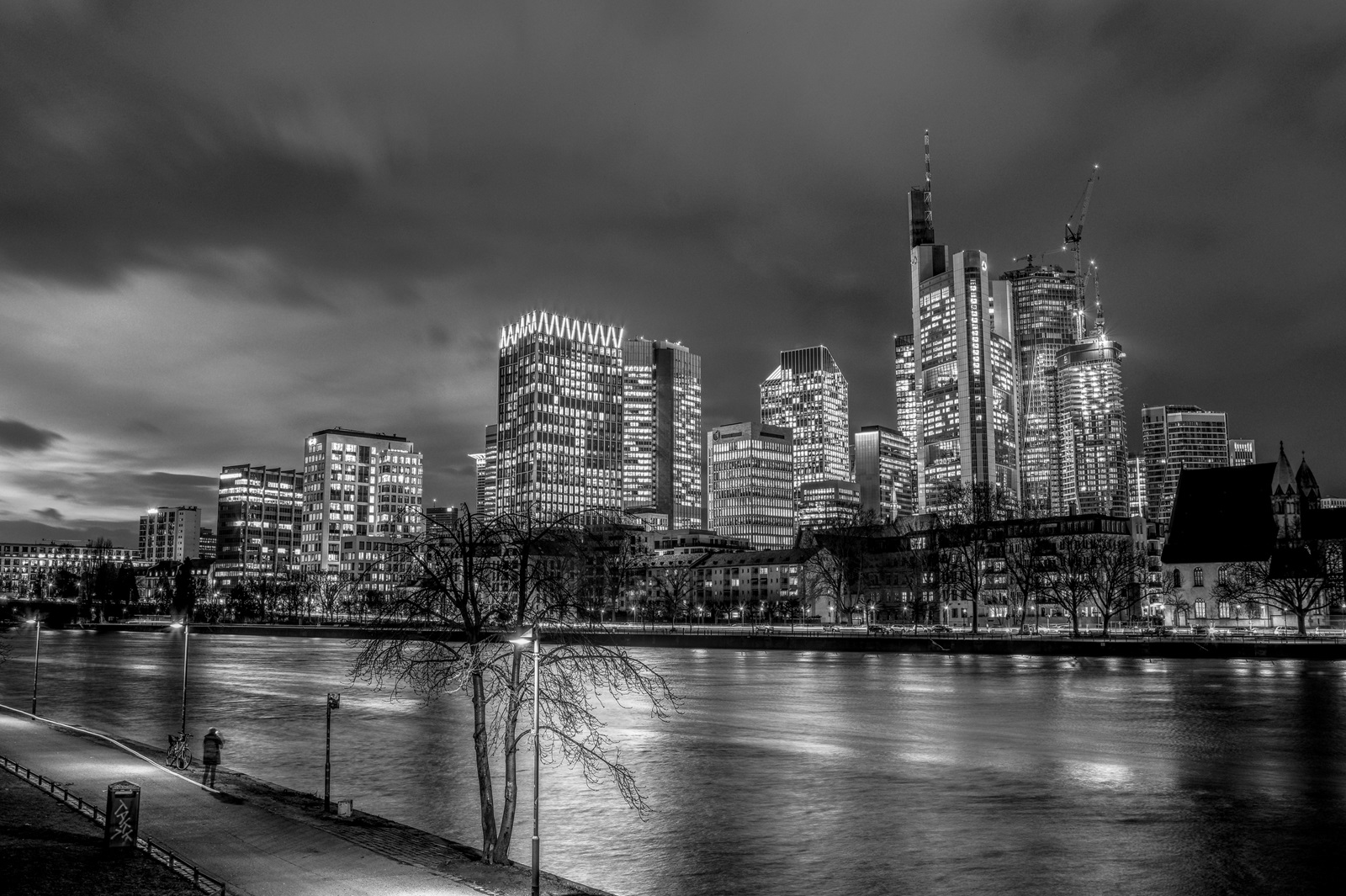
Skyline of Frankfurt am Main
This mix of global movement and striking architecture gives Frankfurt a character that’s hard to find elsewhere: a place that feels connected to the world and yet unmistakably its own.
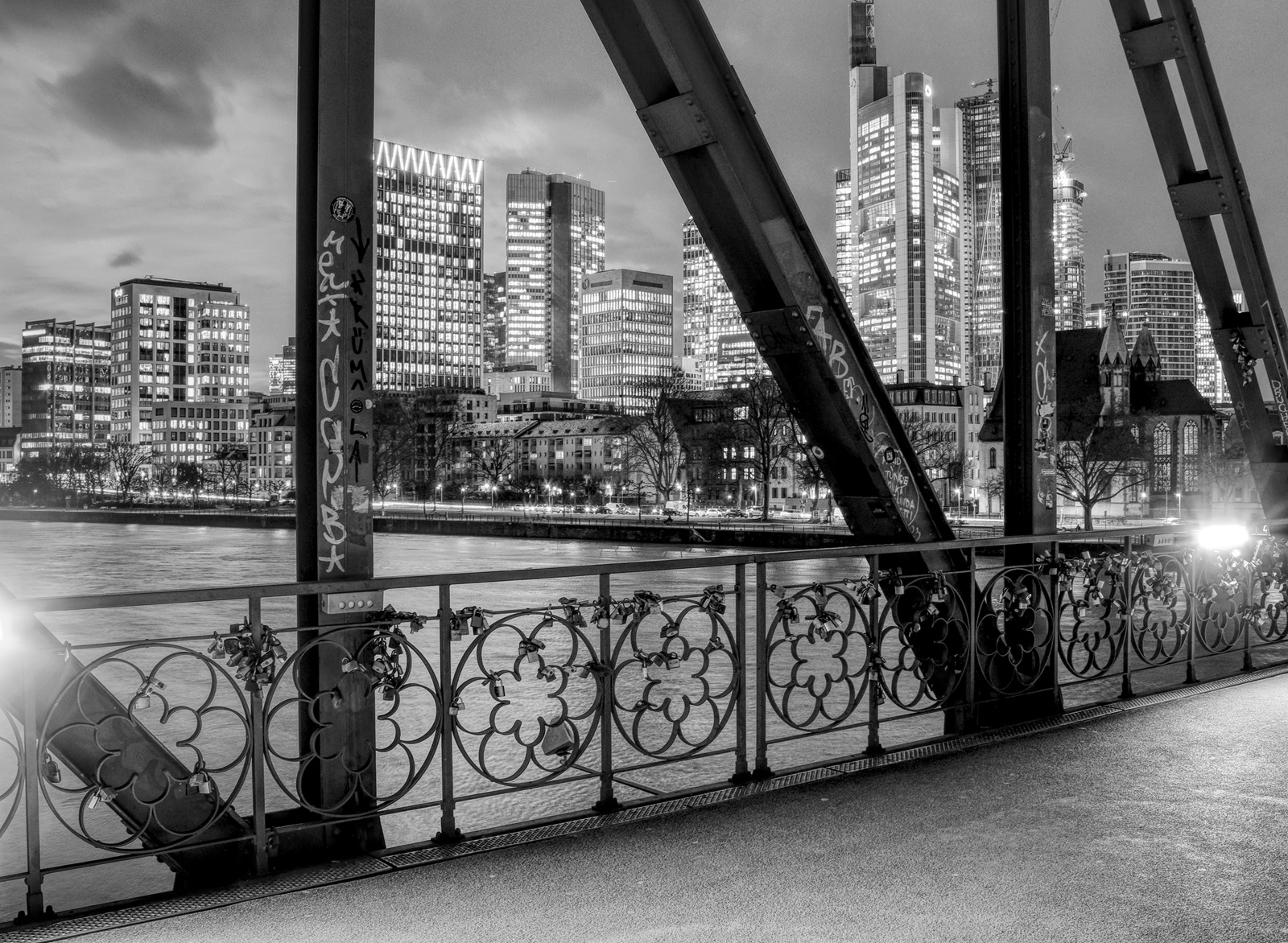
Skyline of Frankfurt am Main
Photos taken with the Pentax K3 III and the Pentax DA Limited 20 – 40 mm F2.8 – 4.0.
Is a wild rabbit living in a urban space, e.g. in parks of big cities like Berlin or Vienna, a wild urban rabbit or a urban wild rabbit?
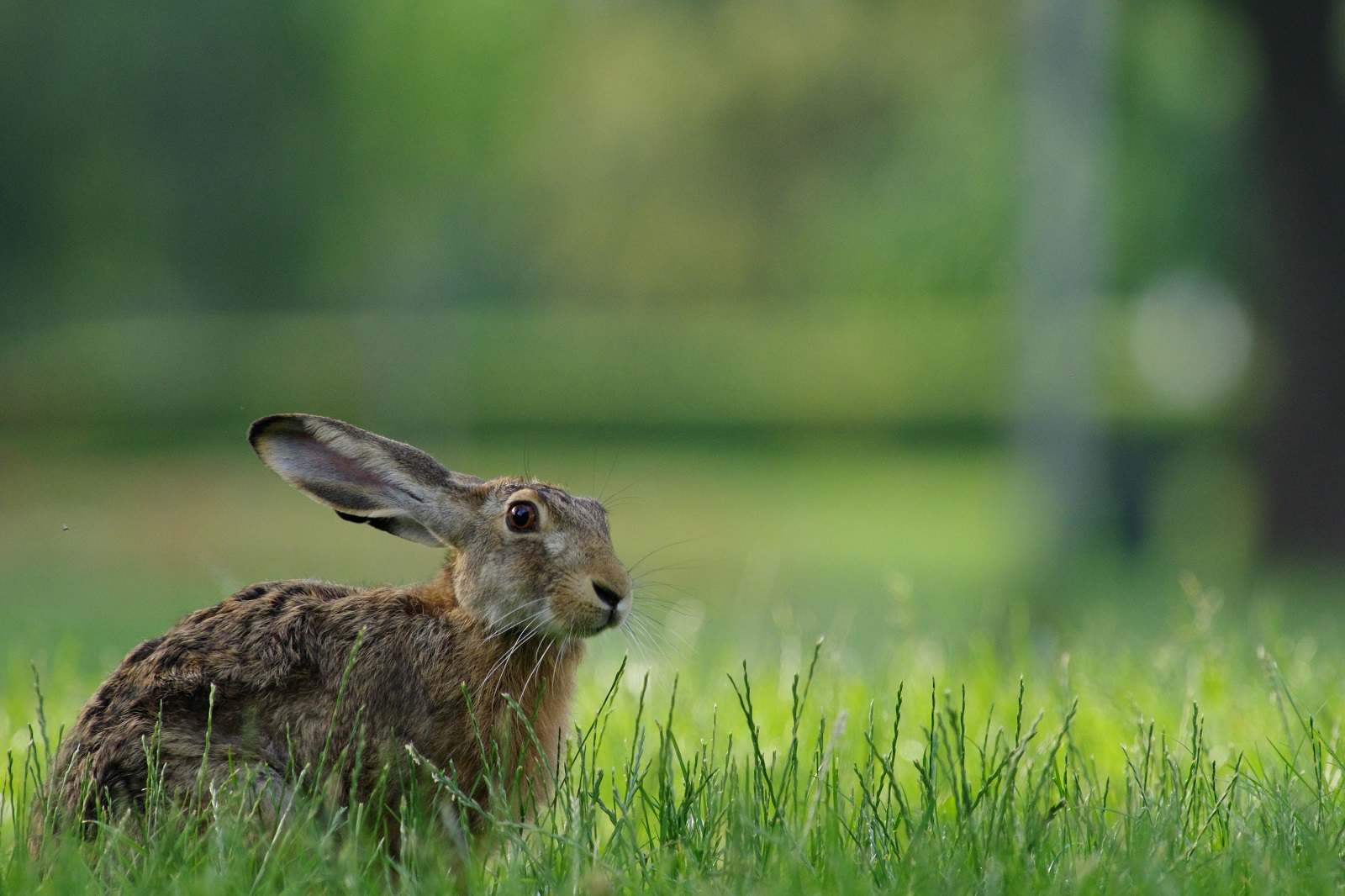
A wild rabbit living in an urban space, such as parks in big cities like Berlin or Vienna, could be described as either a “wild urban rabbit” or an “urban wild rabbit.” Both terms essentially convey the same idea: a rabbit that lives in a city environment but is not domesticated.
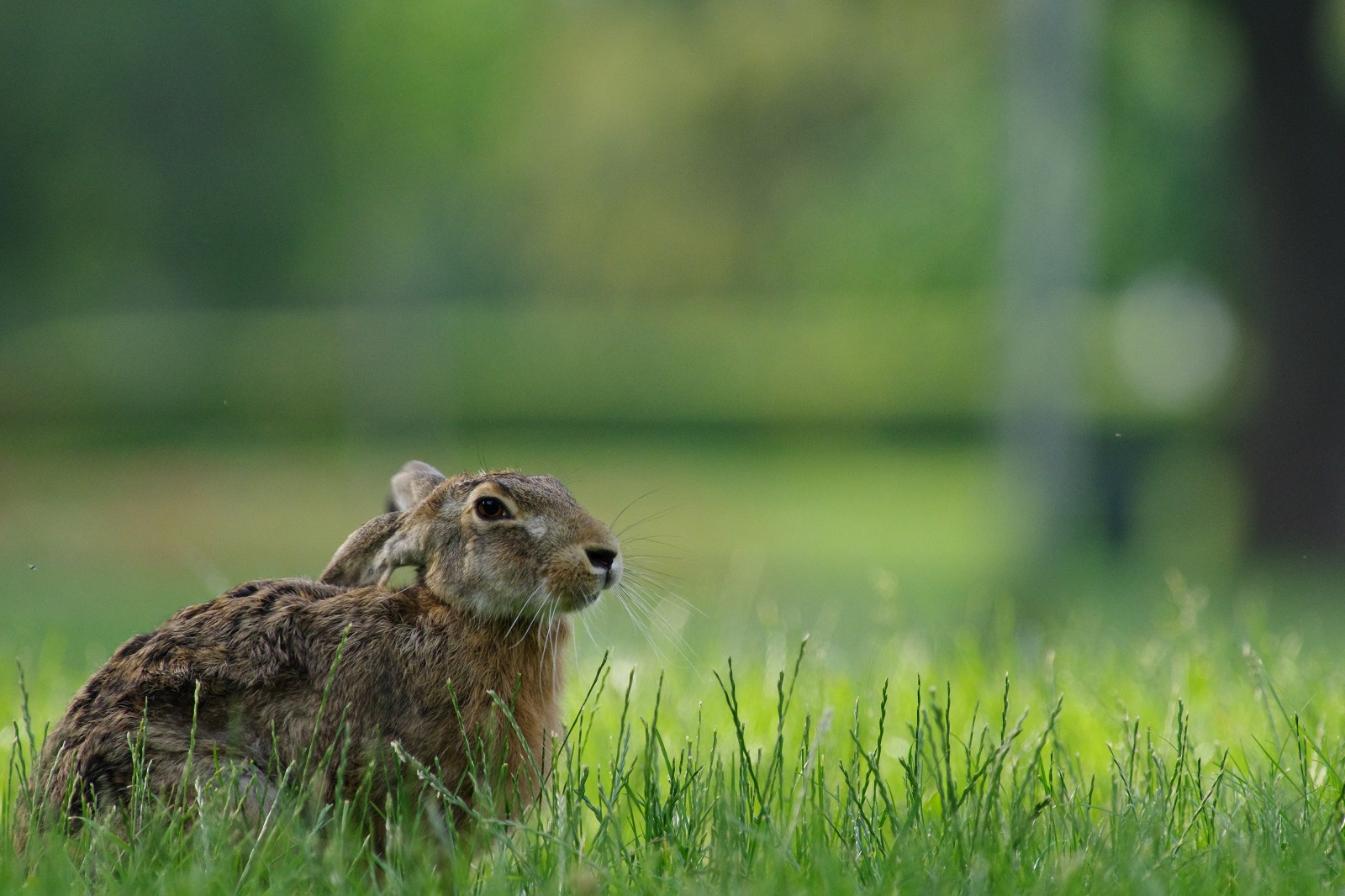
The choice of phrasing may vary depending on individual preference or local terminology. I tend to call it “wild urban rabbit” to emphasize that the rabbit is still a wild animal despite its urban habitat, while others might use “urban wild rabbit” to emphasize its presence in an urban setting. Either way, the key point is that the rabbit is a wild animal that has adapted to life in an urban environment.
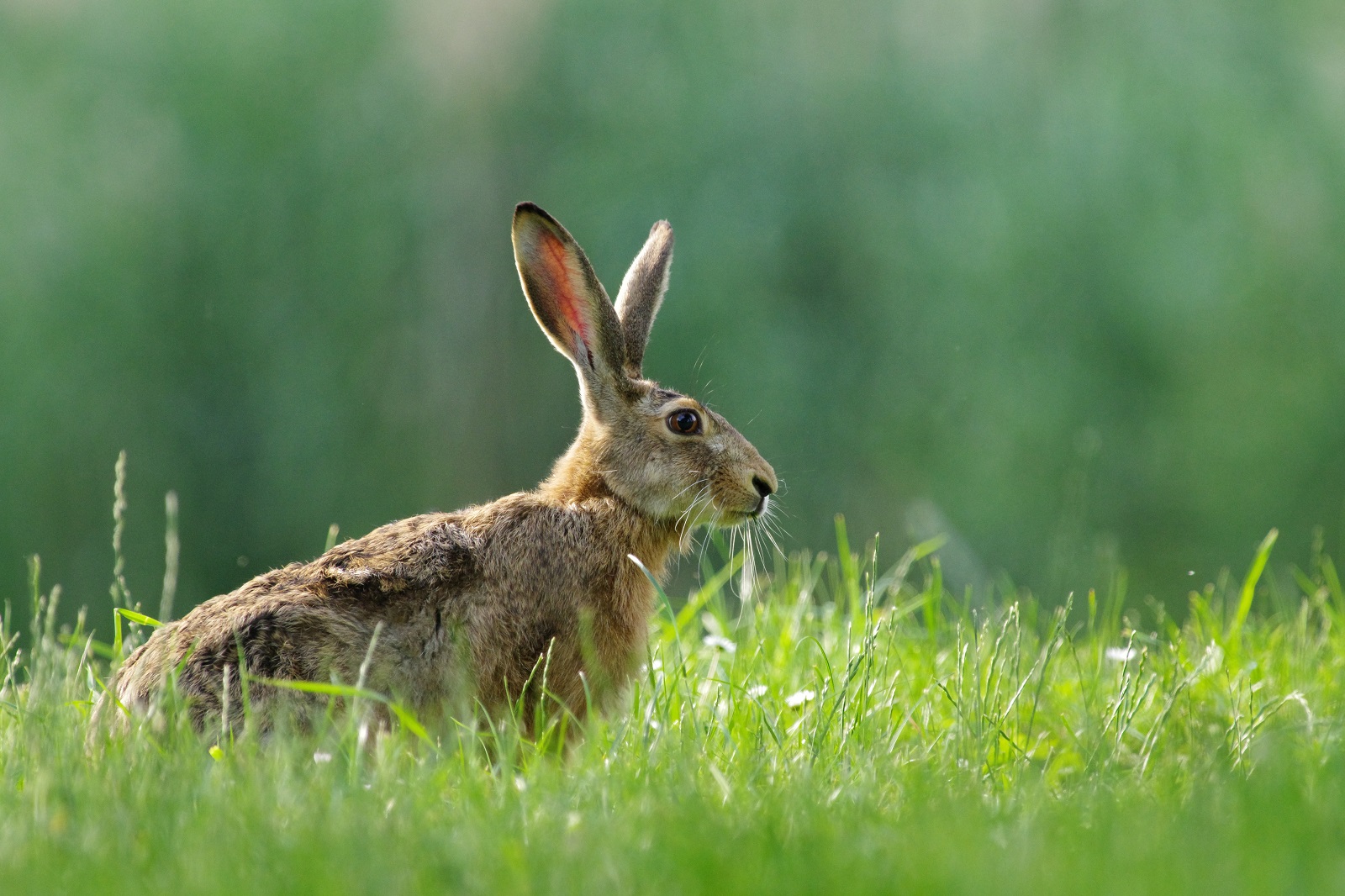
And this brings me to the answer of my next question: Is this still wildlife photography?
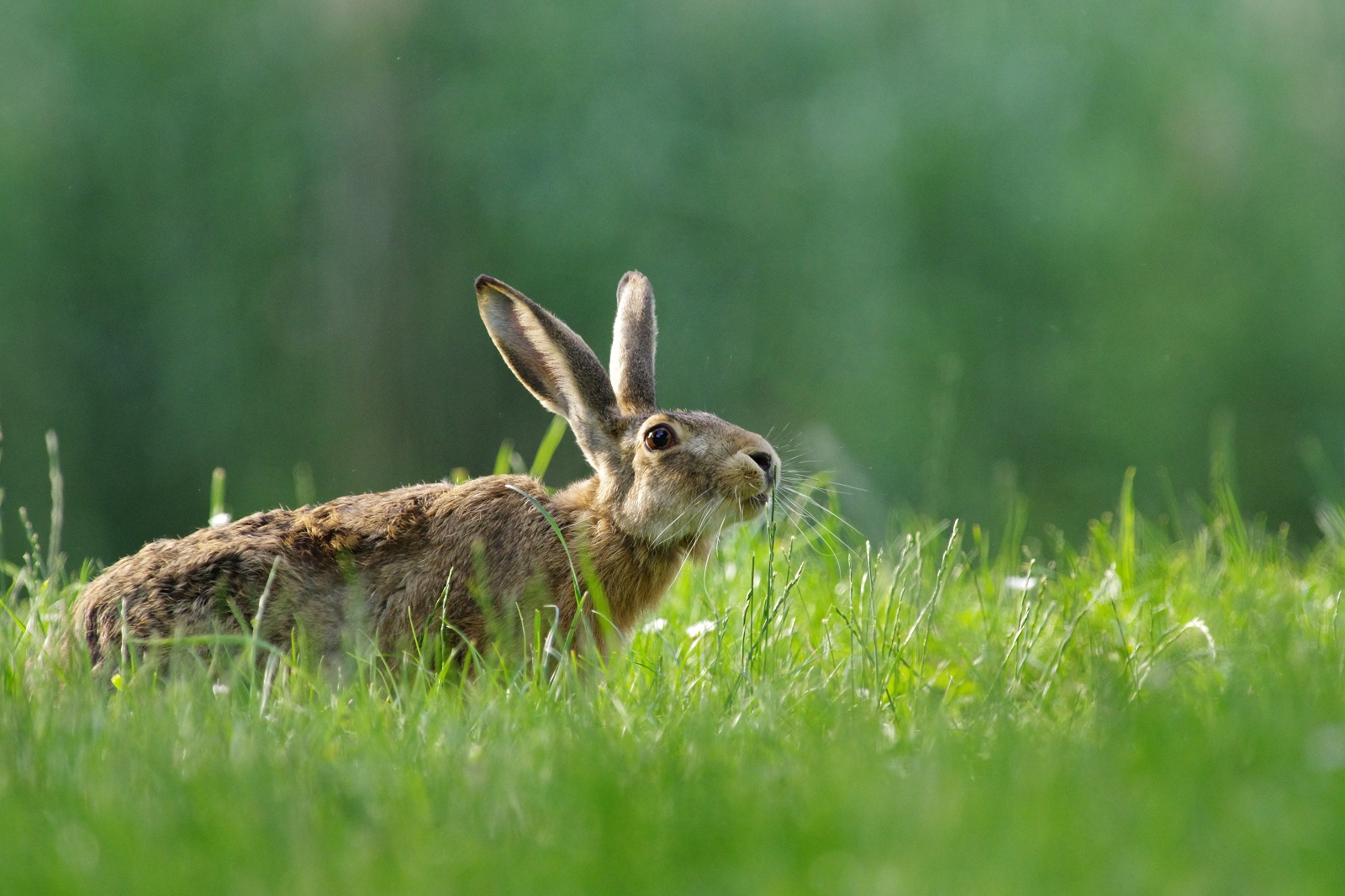
As we said that this rabbit is a wild urban rabbit because it is living in an urban space but is still a wild animal…
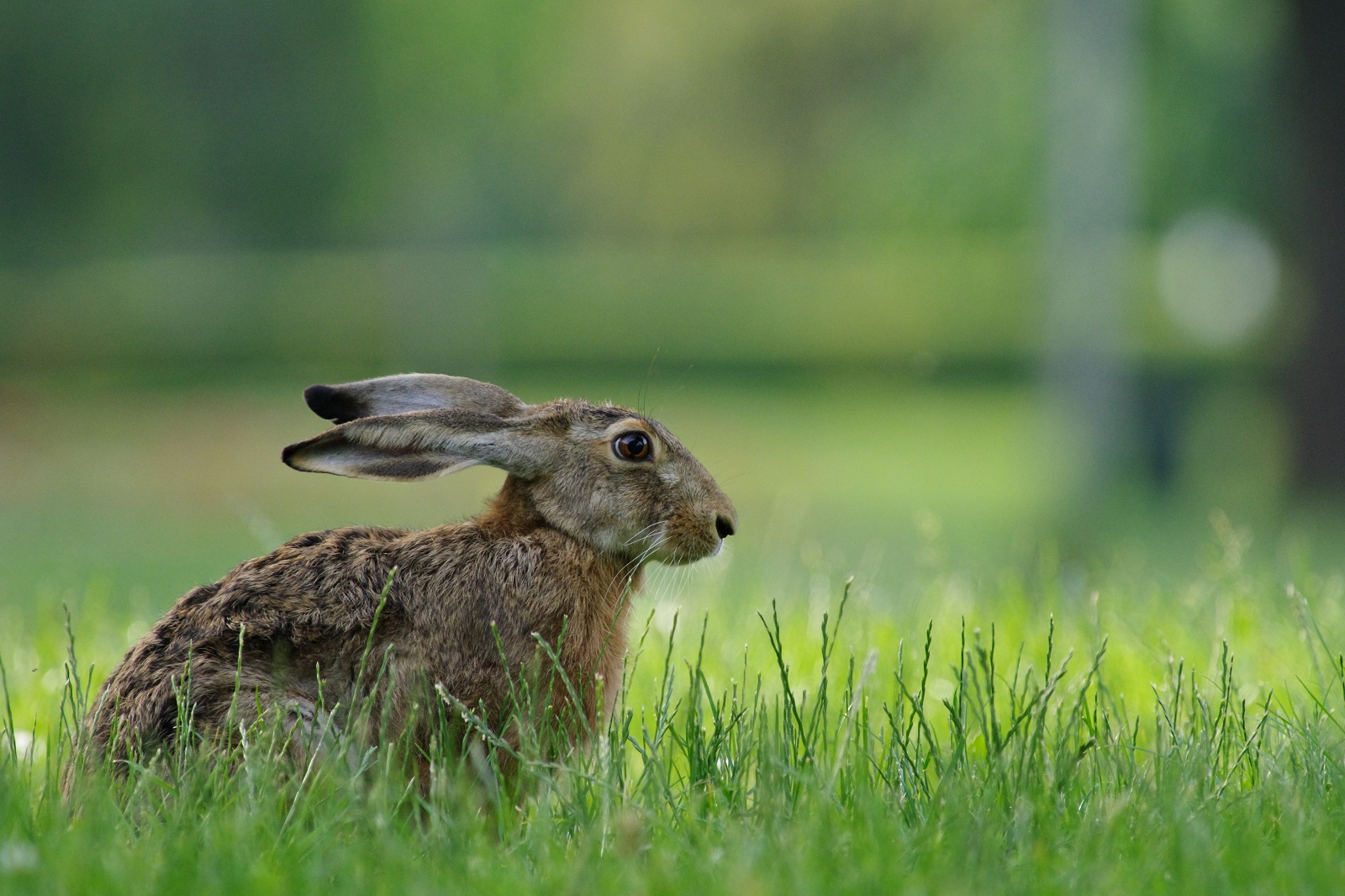
… this photography can still be classified as wildlife photography! 🙂
These photos were taken with the Pentax K3 III and the Pentax 300 mm F4.0 adding more zoom with the Pentax 1.4x Teleconverter.
The red squirrel, known scientifically as Sciurus vulgaris, is a charismatic and iconic small mammal that inhabits forests across parts of Europe and Asia. Characterized by its vibrant russet fur, tufted ears, and bushy tail, the red squirrel holds a special place in the hearts of many nature enthusiasts. However, this charming creature faces several challenges, including habitat loss and competition from introduced species, which have led to its declining numbers in some regions.
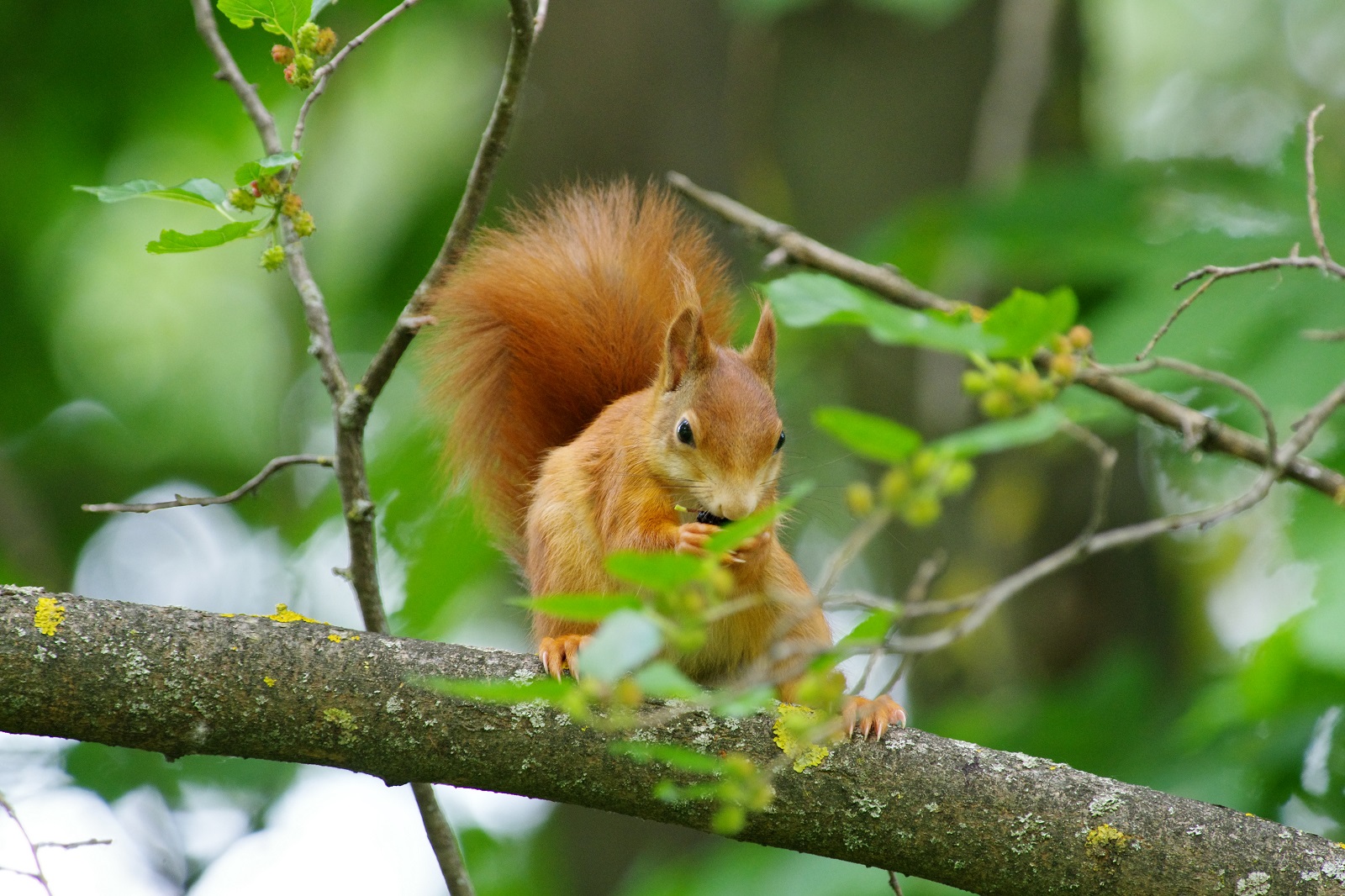
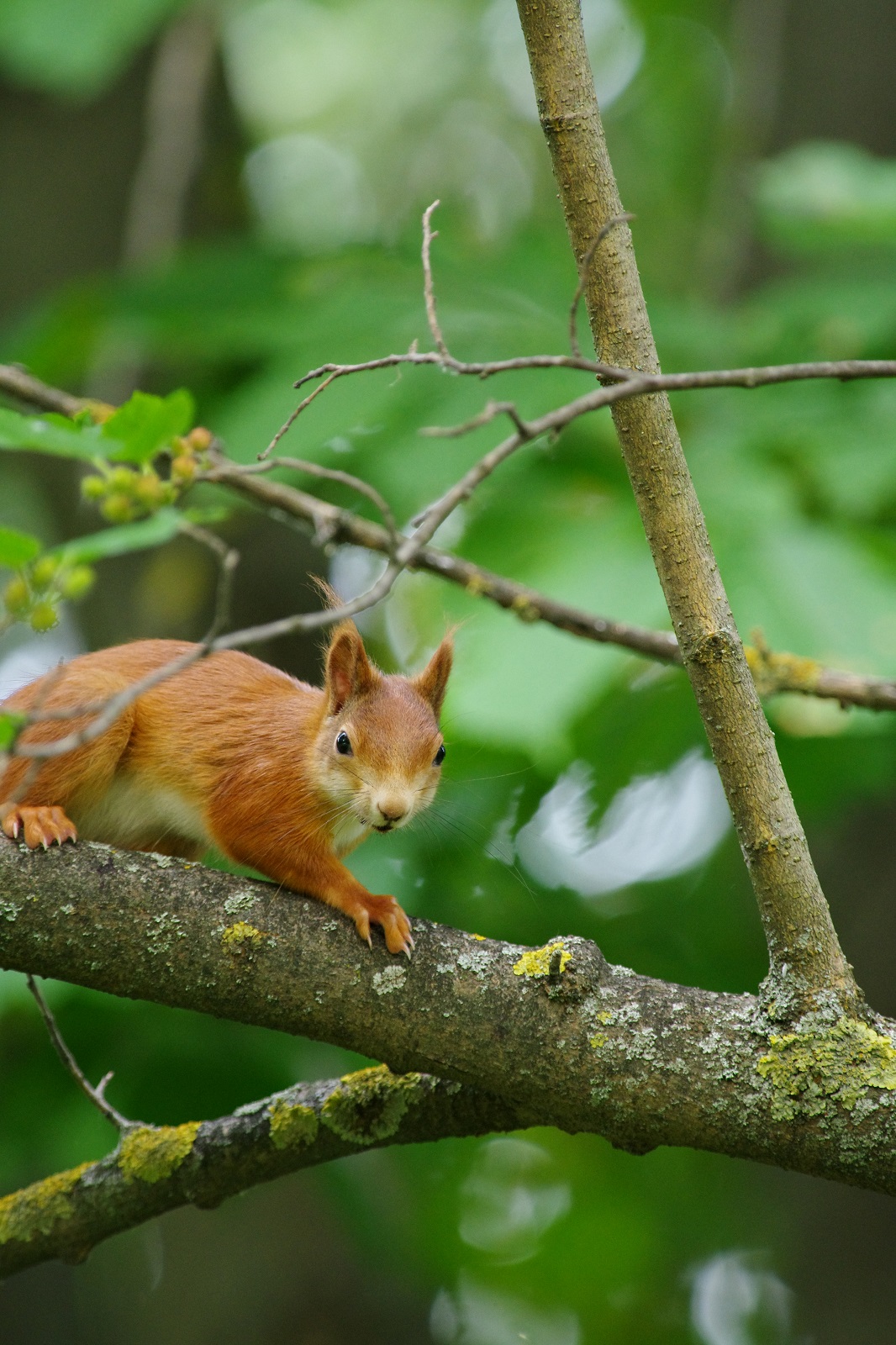
Red squirrels are typically found in coniferous and mixed forests, where they display remarkable agility as they navigate the treetops. They are well-adapted for life in the trees, with sharp claws for climbing and a long, furry tail that provides balance. These squirrels are known for their acrobatic leaps from branch to branch and their ability to access the canopy’s resources.
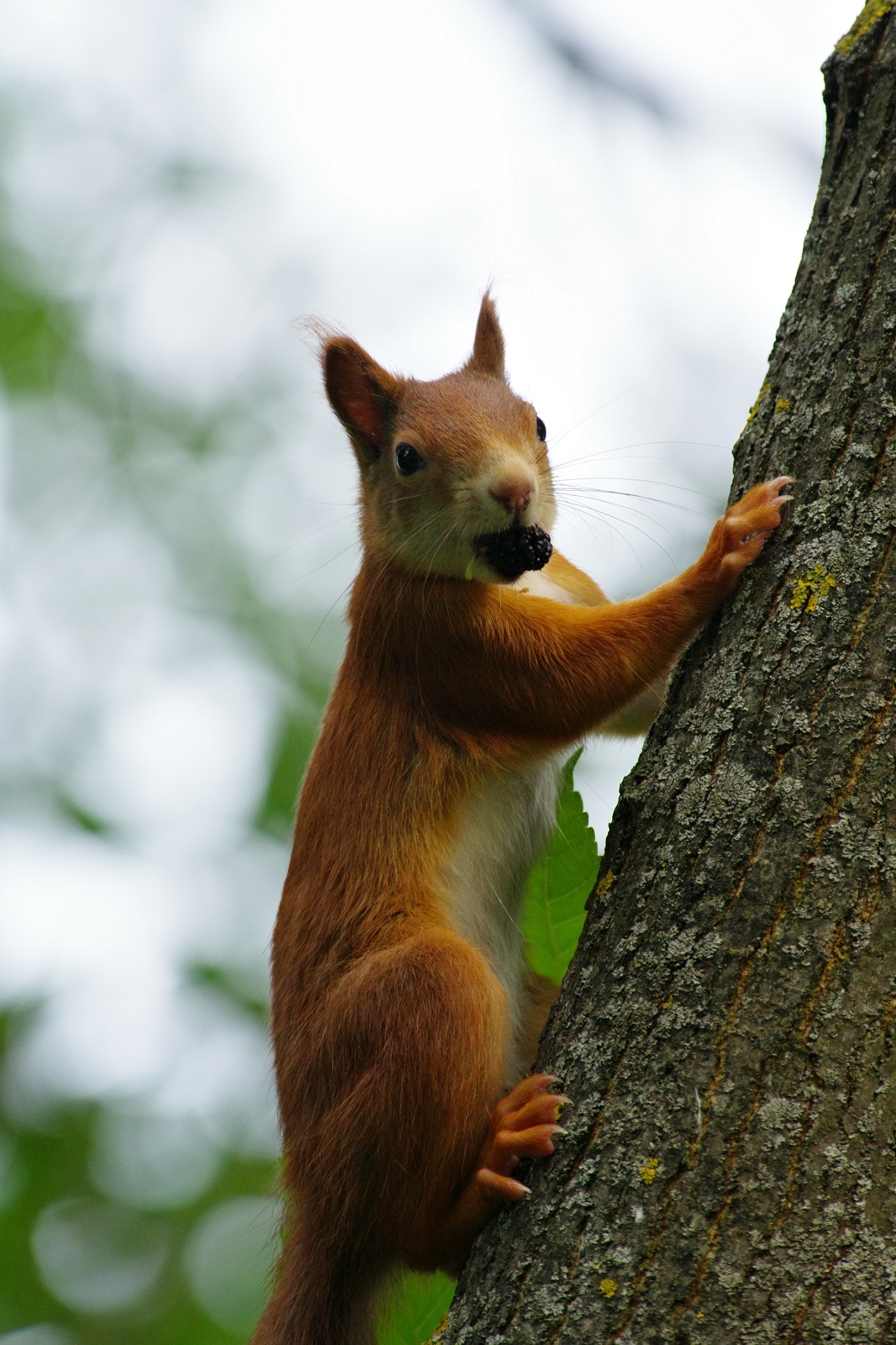
One of the most distinctive features of red squirrels is their diet. They are primarily herbivorous, with a diet that includes seeds, nuts, fungi, and various plant materials. Their voracious appetite for seeds, particularly from pinecones, plays a crucial role in forest ecology. Red squirrels not only consume these seeds but also inadvertently help in seed dispersal by caching them in the ground. Some seeds they forget to retrieve eventually sprout and grow into new trees, contributing to forest regeneration.
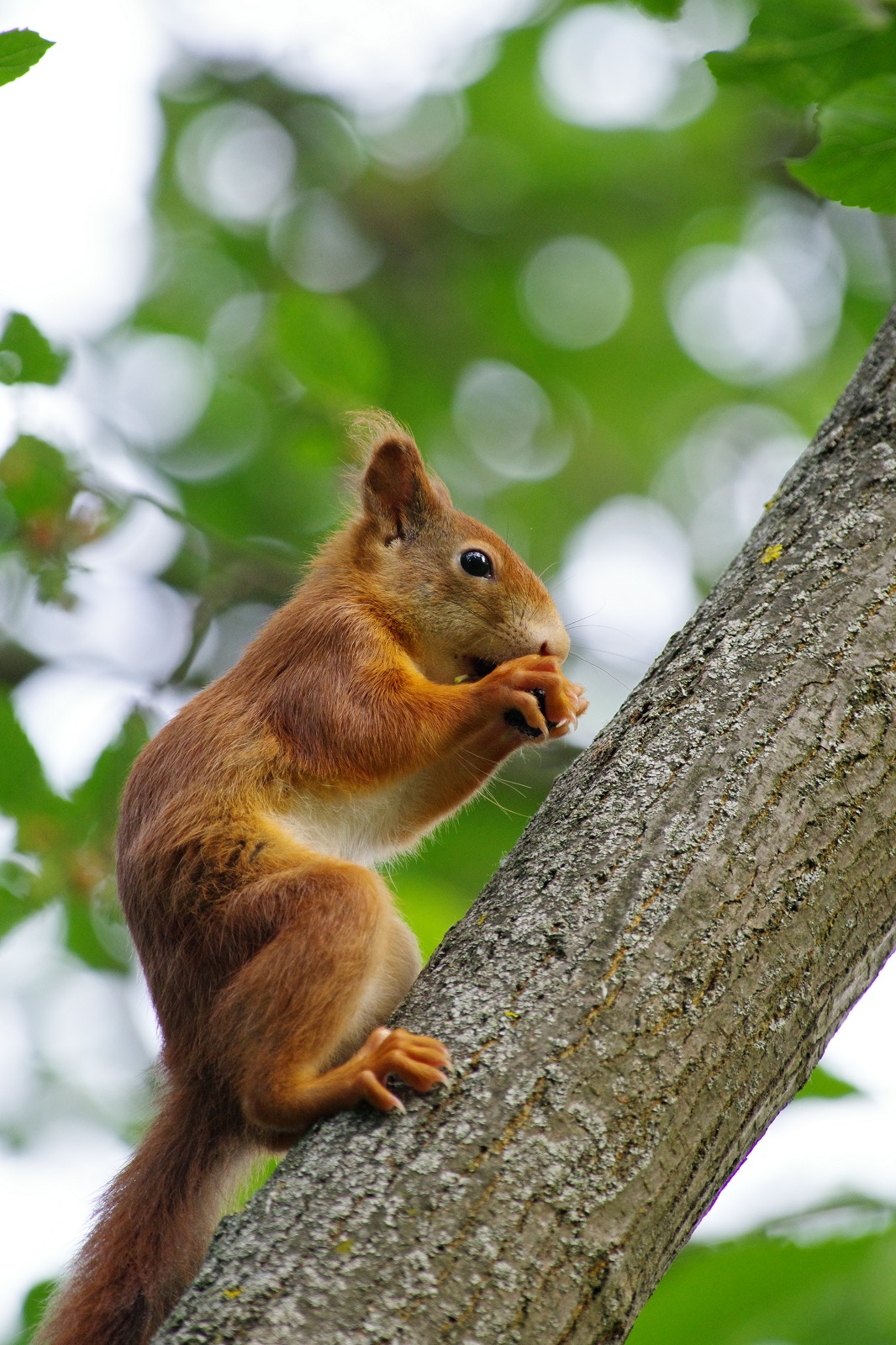
However, the red squirrel’s survival is under threat due to various factors. Habitat loss and fragmentation are significant concerns, as urbanization and deforestation reduce the available areas where these squirrels can thrive. Additionally, the introduction of the invasive gray squirrel in some regions has led to competition for resources and the transmission of diseases that affect red squirrels more severely.
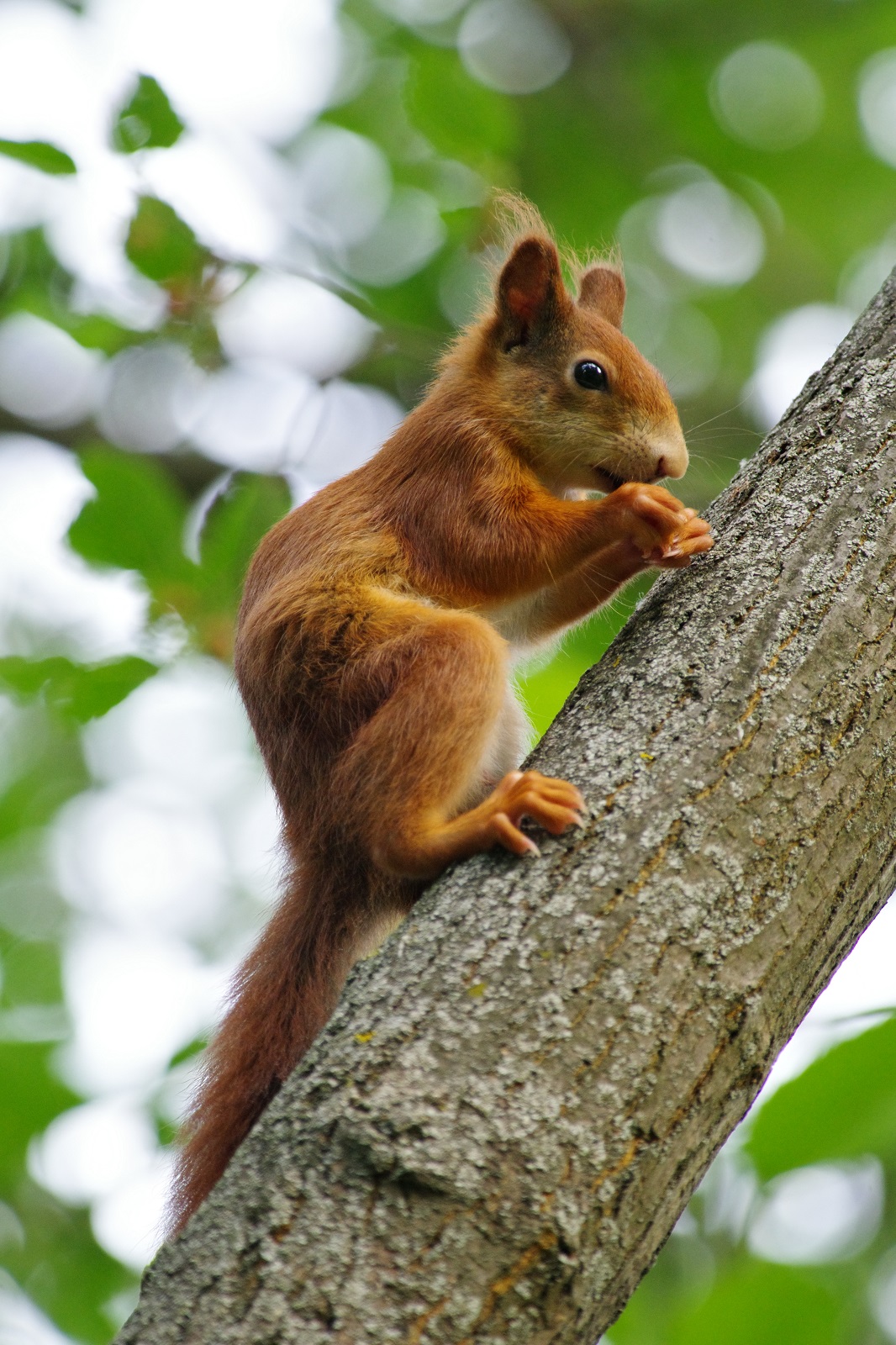
Conservation efforts have been initiated in many areas to protect the red squirrel and its habitat. These initiatives include the creation of protected areas, the management of forest habitats to favor red squirrels, and efforts to control the spread of gray squirrels in regions where they pose a threat. Public awareness campaigns also play a crucial role in garnering support for the protection of red squirrels and their ecosystems.
These photos were taken in the Olympia Park in Vienna, Austria, with a Pentax K 3 III and Pentax 300 mm F4.0 plus 1.4x Teleconverter.
Our Moon is Earth’s natural satellite, formed around 4.5 billion years ago through a collision between a Mars-sized object and Earth. It goes through various phases as it orbits our planet, resulting from the changing angles between the Sun, Earth, and the Moon. The Moon’s surface features include craters, mountains, valleys, and large plains called maria, formed by impacts over billions of years.
Photographing the Moon at night can be a rewarding experience, but it comes with its challenges. To capture great moon shots, you’ll need a camera with manual settings, a tripod for stability, and a telephoto lens or telescope to zoom in. Set your camera to manual mode, use a low ISO to reduce noise, a fast shutter speed to avoid overexposure, and a wide aperture for more light.
Focusing is crucial for sharp lunar details, so use manual focus and fine-tune it using live view if available. Experiment with exposure settings to balance the Moon’s brightness with the night sky. Consider including interesting foreground elements for composition.
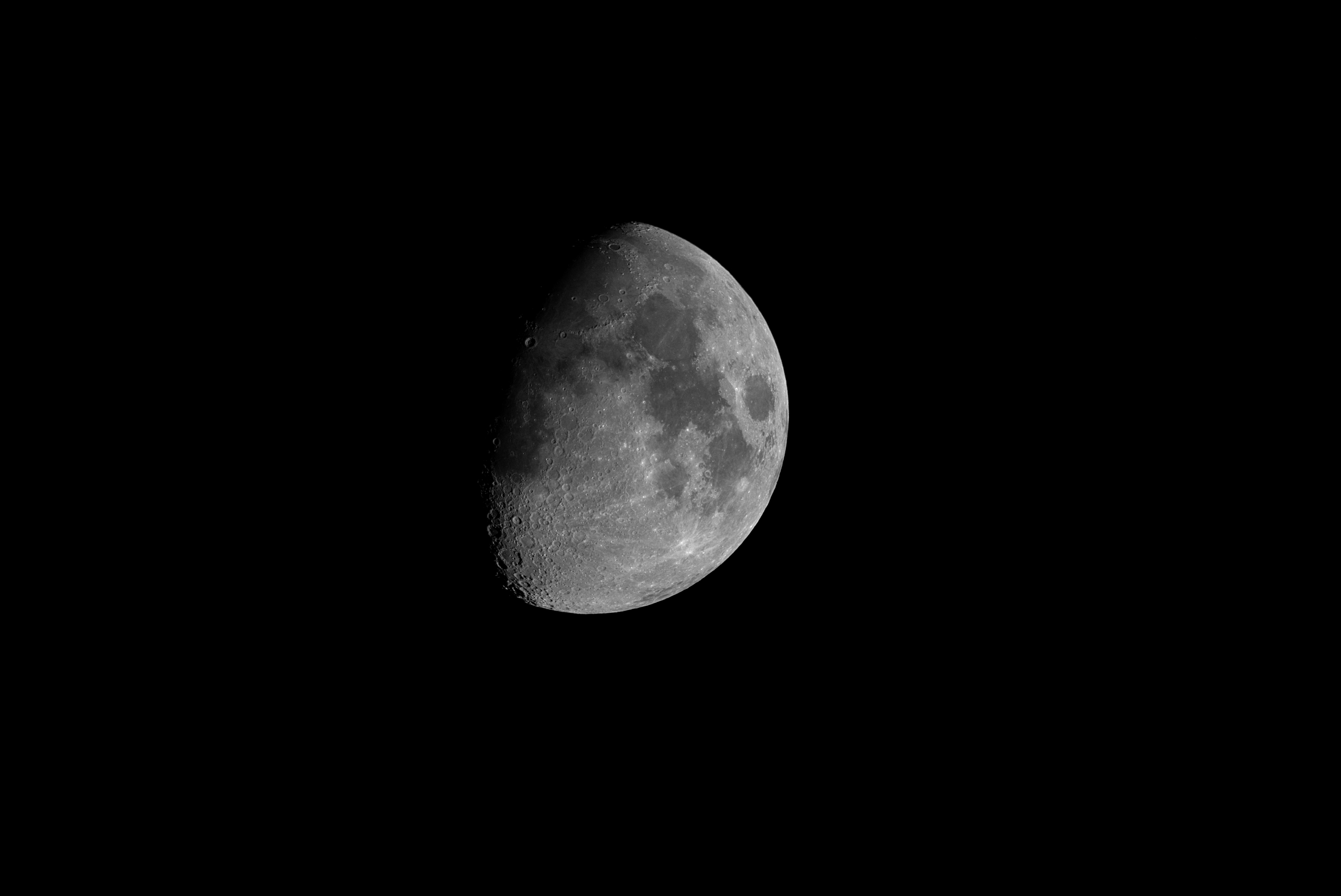
However, moon photography can be challenging due to the Moon’s brightness, its relatively small appearance in the sky, the need for stability, and the influence of weather and atmospheric conditions. Clear nights with stable air and careful planning of moonrise/moonset times can help you overcome these difficulties. With practice, you can capture stunning images of the Moon, showcasing its surface features and changing phases.
The picture was made with the Pentax K3 III and the Pentax 560 mm F5.6 plus 1.4x Teleconverter.
Cormorants are fascinating birds that inhabit various parts of the world. They are known to live near bodies of water and primarily find their food in the water. Their habitat ranges from coastlines and rivers to lakes and ponds.
The lifestyle of cormorants is closely tied to their ability to hunt both underwater and in the air. These birds have a sleek body structure with long necks and sharp beaks that enable them to catch fish and other water-based prey. They are excellent divers and can cover remarkable distances underwater to pursue their prey.
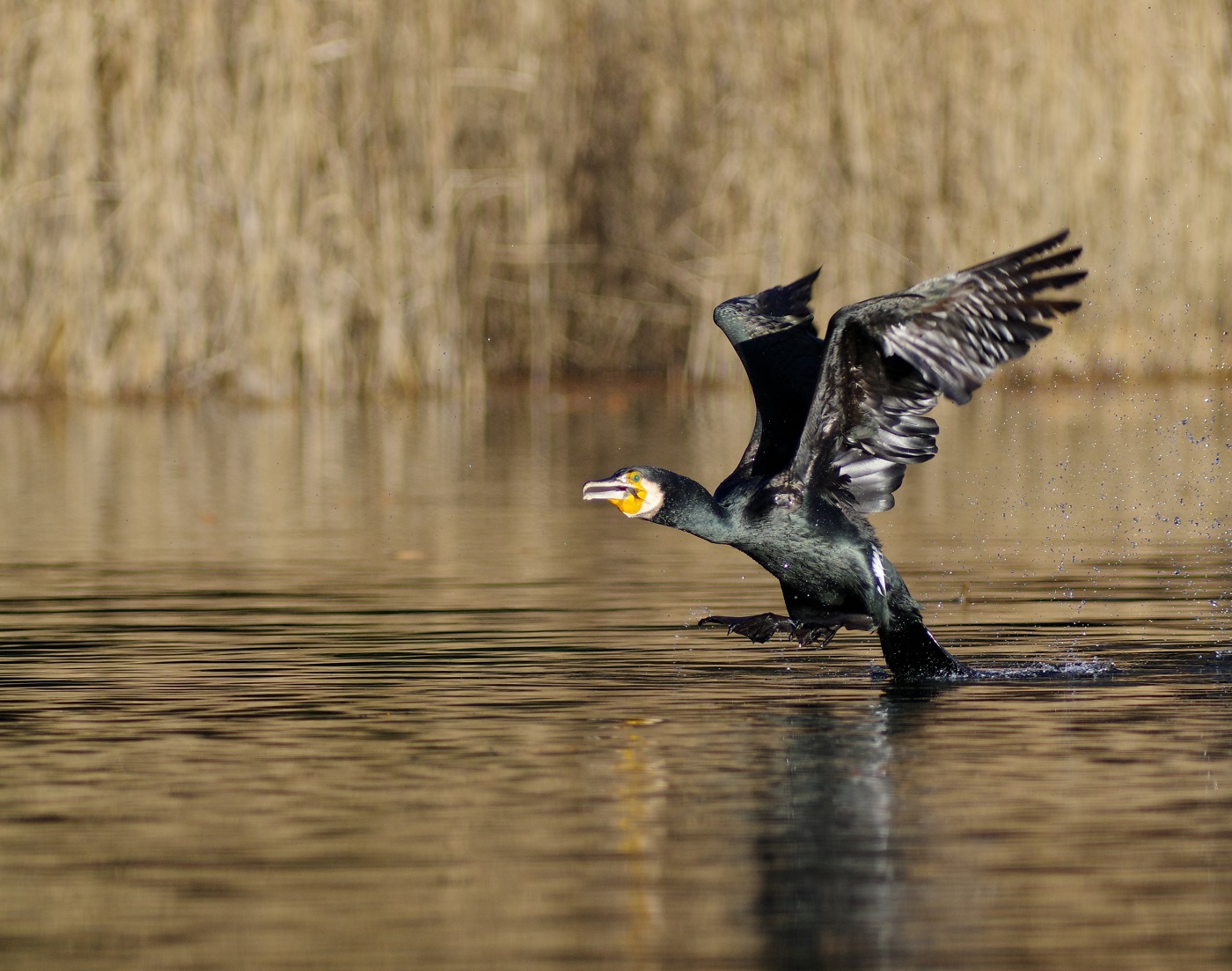
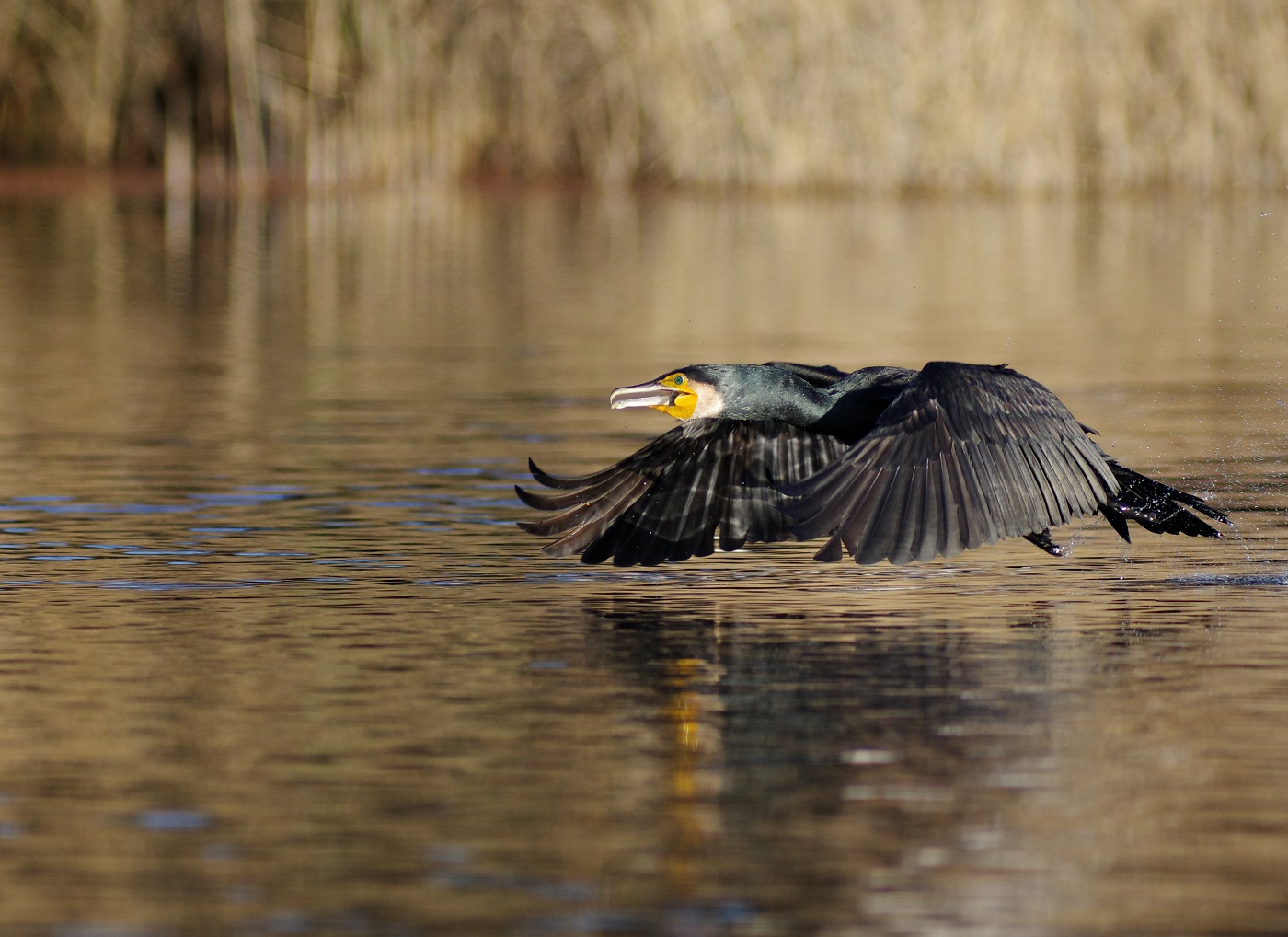
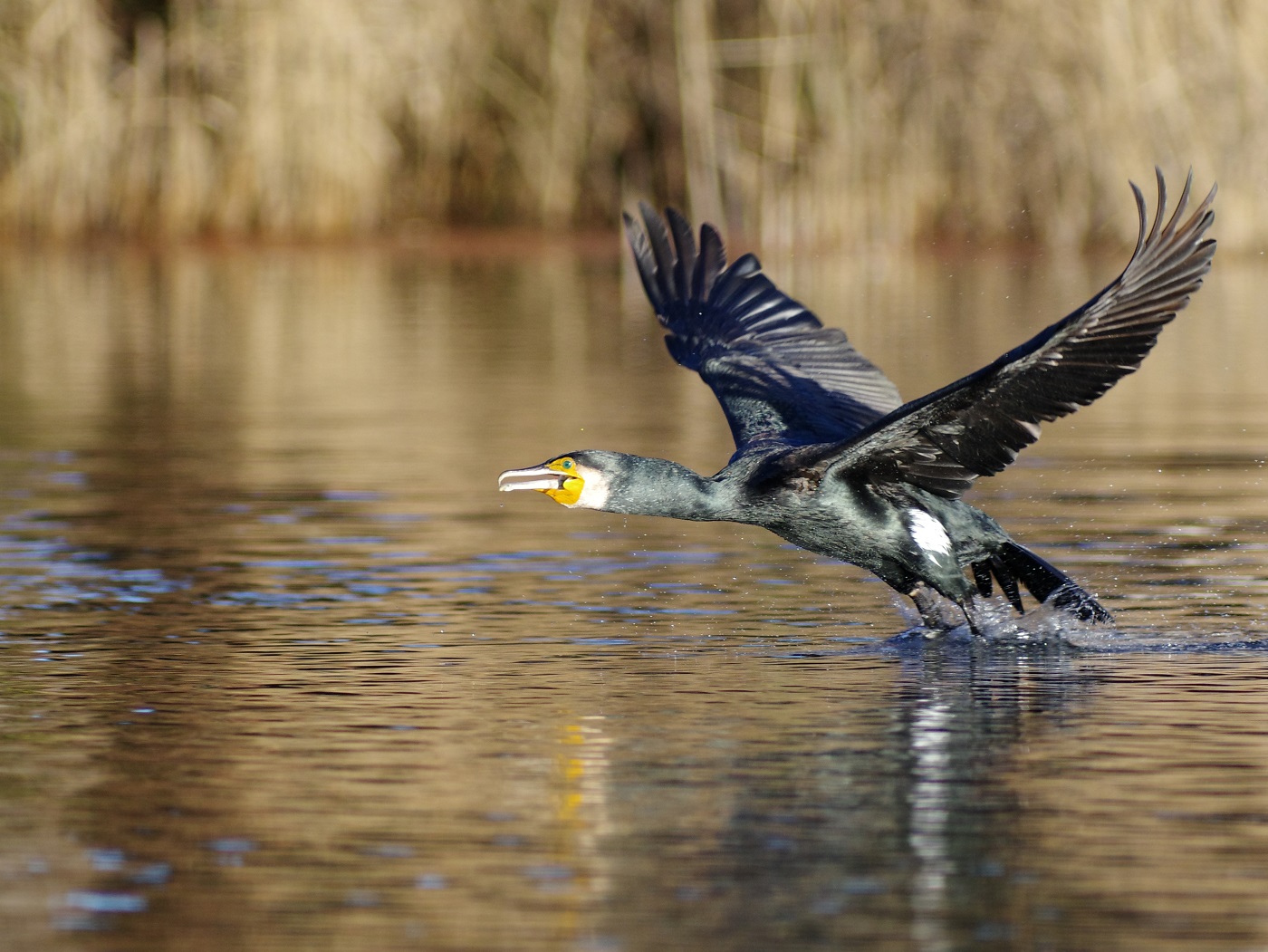
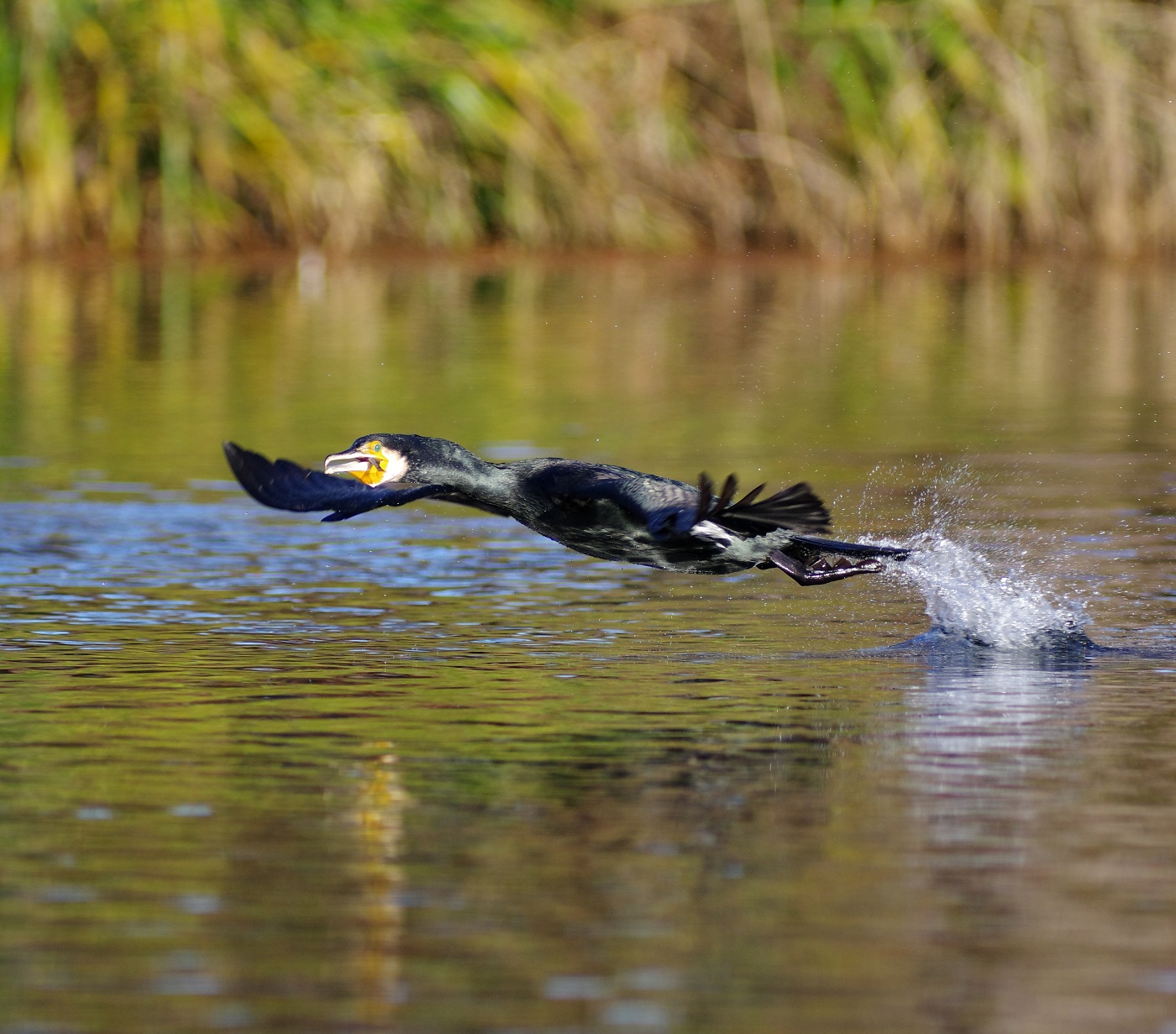
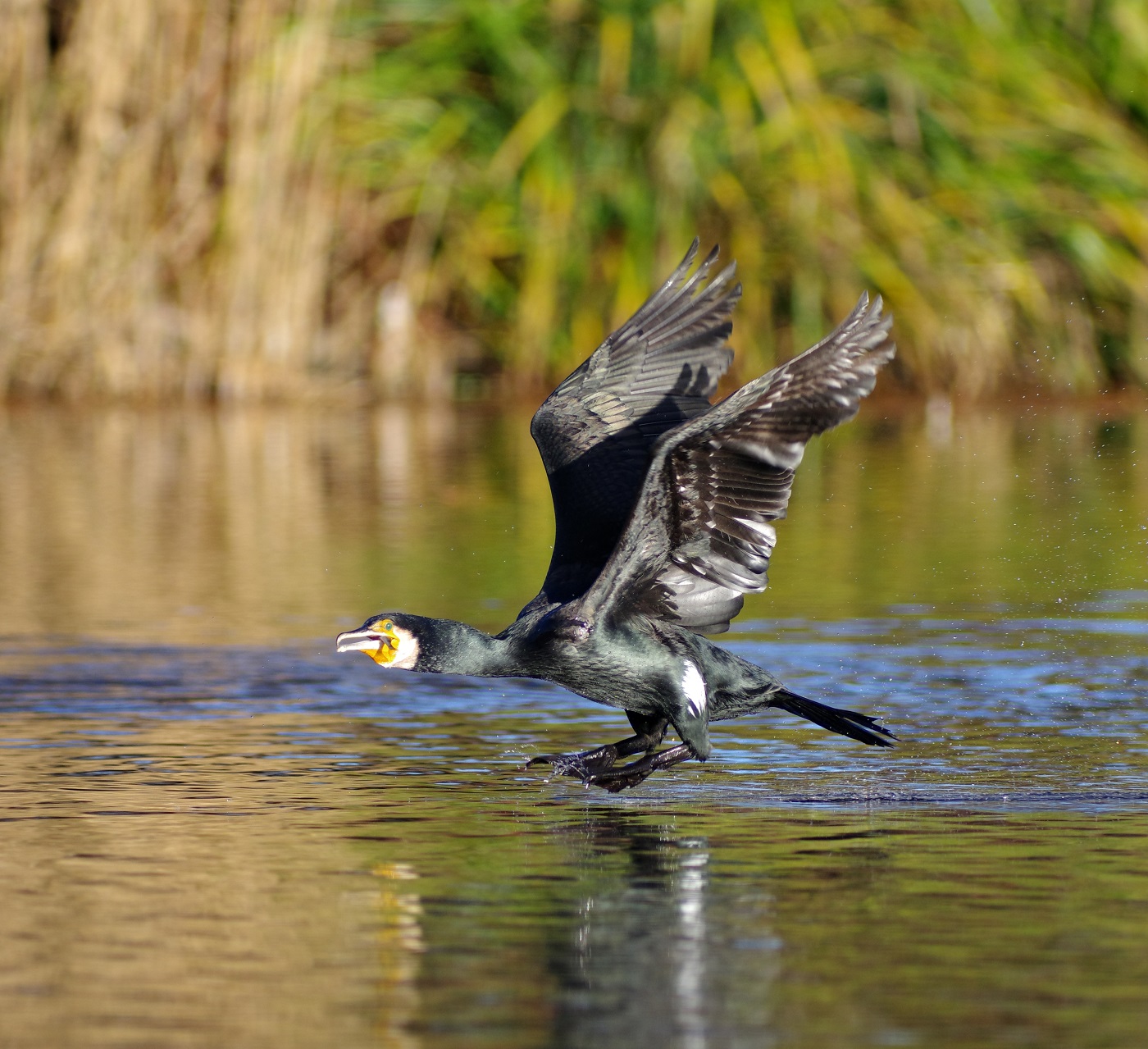
A remarkable behavior of cormorants is their takeoff pattern. Unlike many other birds that take off from trees or the ground, cormorants usually launch directly from the water. There are several reasons why they prefer this takeoff method.
Firstly, taking off from the water provides them with an efficient way to wet their wings. The feathers of cormorants are not water-resistant like those of ducks or geese. By dipping into the water before taking off, they can saturate their feathers, which helps them during flight by reducing their buoyancy and making them lighter.
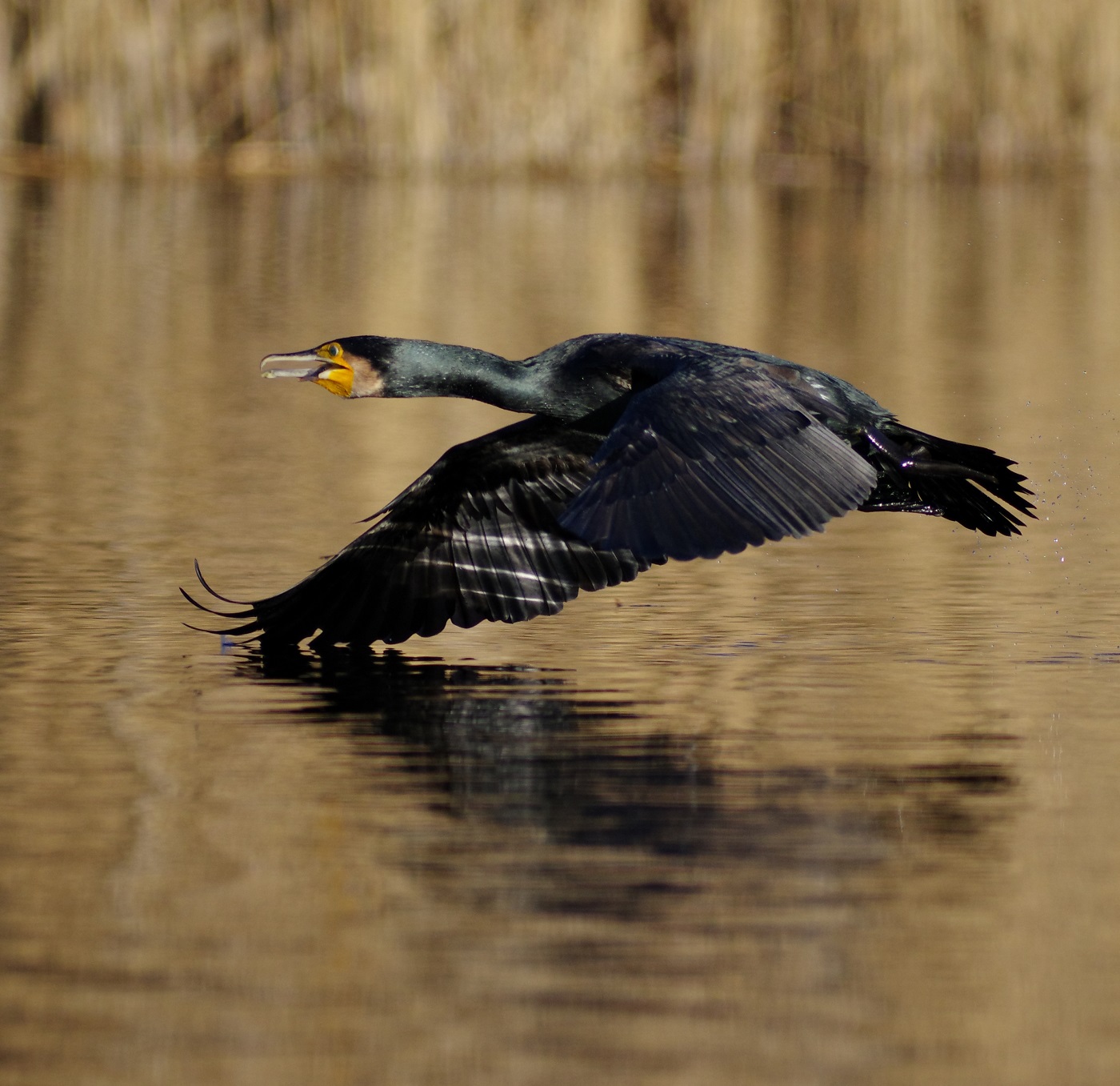
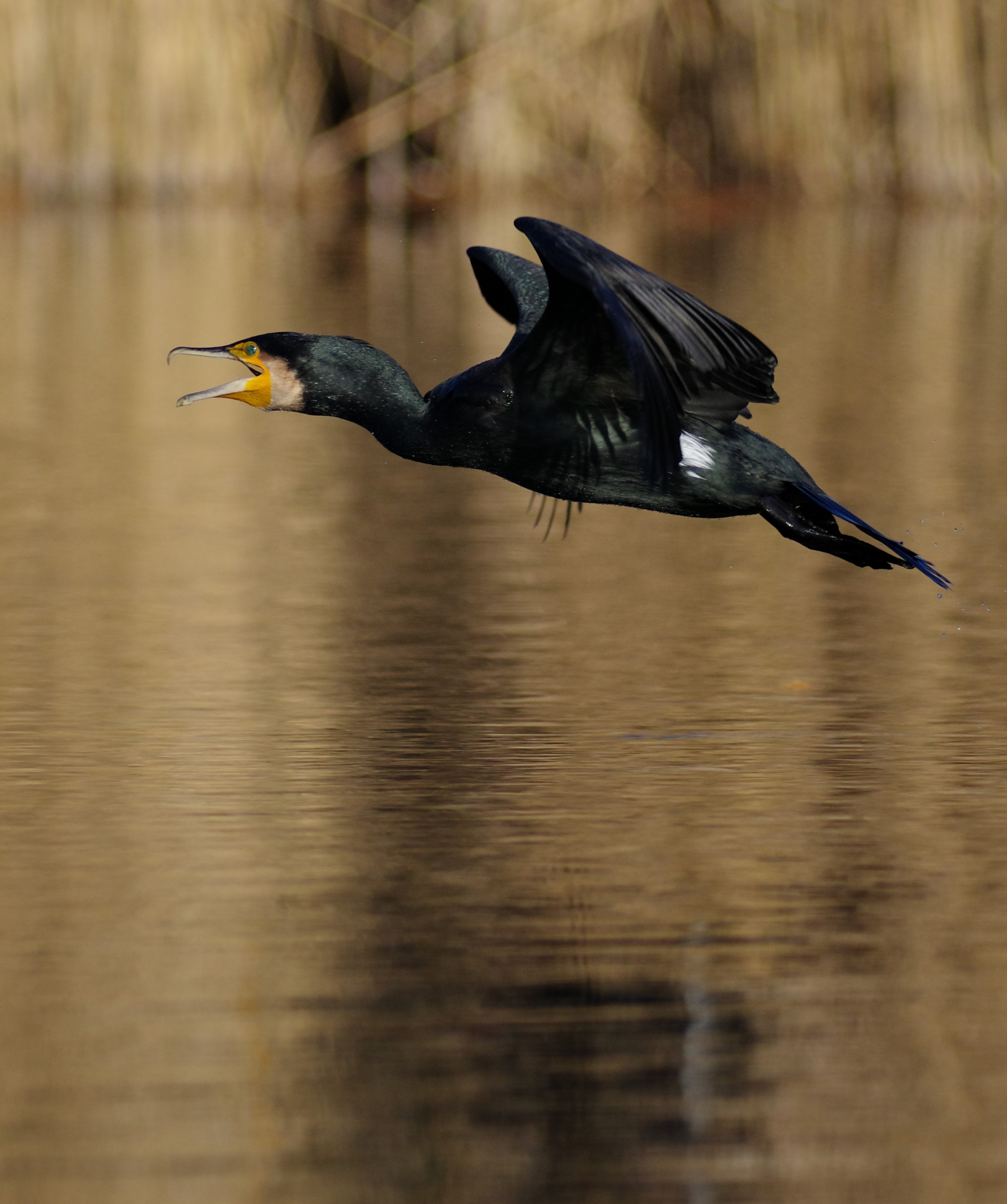
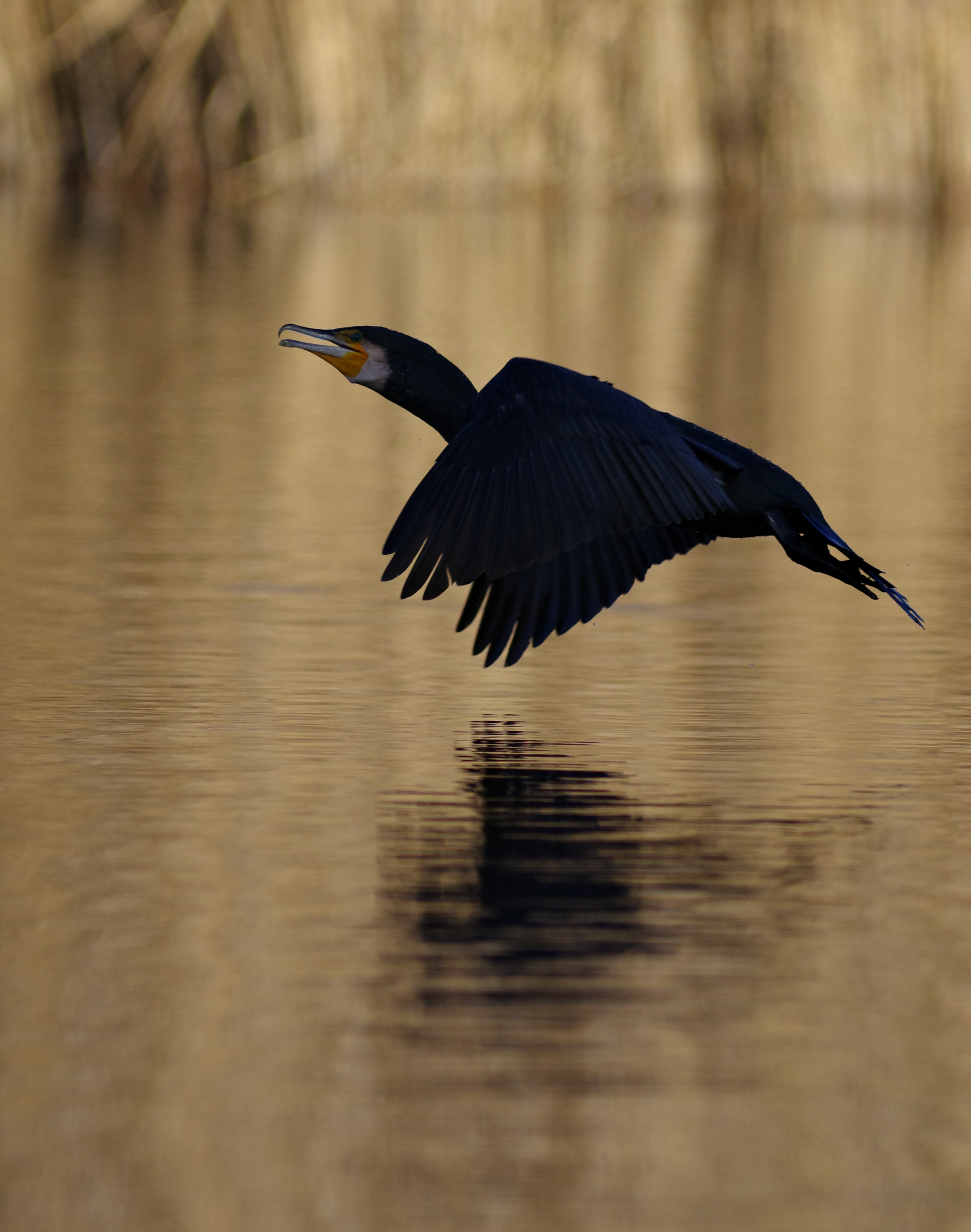
Secondly, cormorants typically find their food in the water before taking off. Since they primarily hunt fish, they dive underwater to catch their prey. Taking off from the water allows them to stay close to their hunting grounds and immediately dive back into the water if they spot another opportunity to capture prey.
Lastly, taking off from the water also offers some safety for cormorants. When they are on the water, they are less visible to potential predators and can quickly escape by simply taking flight.
Photos were taken with the Pentax K3 III and the Pentax 560 mm F5.6.